




Gum recession can sneak up on you. One day your teeth feel normal, and the next, you notice a little extra sensitivity or your teeth seem slightly longer in the mirror. What’s actually happening is that the gum tissue is gradually pulling away, exposing areas that were once protected.
It’s completely natural to look for simple solutions at home when this happens. After all, the internet is full of quick tips and DIY remedies. But here’s the catch—while some of these ideas may help you feel better temporarily, they don’t always address what’s really going on beneath the surface.
It’s also important to understand that gum tissue doesn’t regenerate on its own. That’s why guidance from a periodontist can be so valuable. These specialists focus specifically on gum health and can help you figure out the cause of recession and how to manage it properly.
In this guide, we’ll break down a few popular beliefs about home remedies and look at what truly supports healthier gums.
What Leads to Gum Recession?
Gum recession doesn’t usually have a single cause. Instead, it tends to develop over time due to a mix of habits and underlying issues.
- Gum infections: Plaque buildup can irritate and weaken gum tissue.
- Overbrushing: Using too much force while brushing can slowly wear gums down.
- Inherited traits: Some people are naturally more prone to thinner gums.
- Irregular oral care: Skipping brushing or flossing allows bacteria to thrive.
- Tobacco use: Smoking can interfere with gum health and healing.
Being aware of these factors can help you make small changes that protect your gums in the long run.
Clearing Up Common Misconceptions
There’s a lot of mixed information out there about treating gum recession at home. Let’s sort fact from fiction.
“Salt Water Can Fix Receding Gums”
Rinsing with salt water can help calm irritation and keep your mouth clean, but it won’t rebuild lost gum tissue. It’s more of a supportive step than a solution.
“The Harder You Brush, the Better”
Brushing aggressively might feel like you’re doing a thorough job, but it can actually make things worse. Gentle brushing is far more effective for protecting your gums.
“Baking Soda Repairs Gum Damage”
Baking soda can help remove surface stains, but it doesn’t repair gum loss. In fact, overusing it may irritate already sensitive areas.
“Natural Oils Can Regrow Gums”
Certain oils have antibacterial benefits, but they don’t have the ability to bring gum tissue back. They can support oral hygiene, but that’s about it.
“Lemon Juice Strengthens Gums”
While vitamin C is important for gum health, applying lemon juice directly can do more harm than good because of its strong acidity.
What You Can Do at Home That Actually Helps
Even though you can’t reverse gum recession at home, your daily routine can make a noticeable difference in slowing it down and keeping your gums healthier.
Be Gentle With Brushing
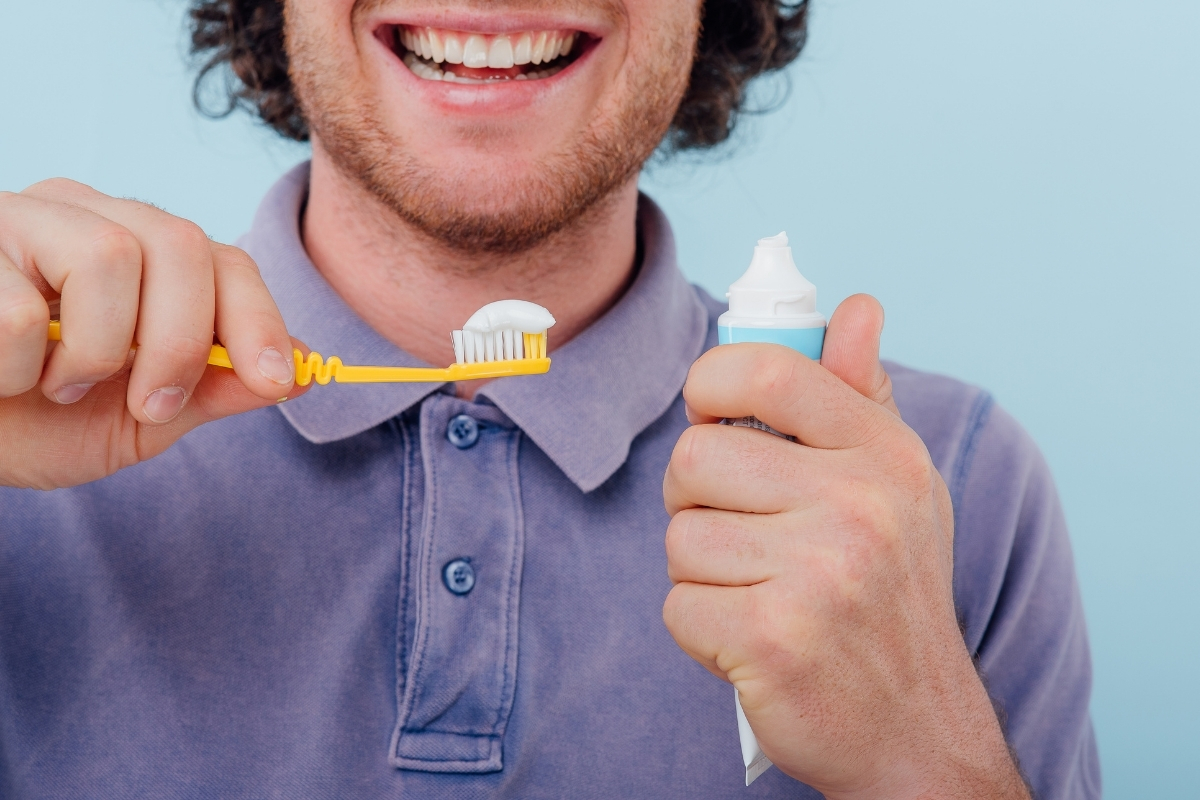
Switch to a soft-bristled toothbrush and use light pressure. Think of it as cleaning, not scrubbing.
Don’t Skip Flossing
Flossing once a day helps remove plaque from areas your toothbrush can’t reach, especially along the gumline.
Pick a Mild Mouthwash
An alcohol-free mouthwash can help control bacteria without drying out your mouth or irritating your gums.
Focus on What You Eat
A balanced diet plays a role in gum health. Foods rich in vitamin C, calcium, and antioxidants help support your gums from the inside out.
Drink Enough Water
Staying hydrated helps your body produce saliva, which naturally protects your teeth and gums.
Stay Away From Tobacco
Tobacco use is one of the biggest risk factors for gum problems. Cutting back can have a positive impact on your oral health.
Use Natural Remedies Carefully
Options like aloe vera or green tea may help soothe your gums, but they should only be used as a supplement to proper dental care.
When Home Care Isn’t Enough
If you notice your gums continuing to recede, or if sensitivity becomes more frequent, it’s time to take things a step further. Waiting too long can allow the problem to progress.
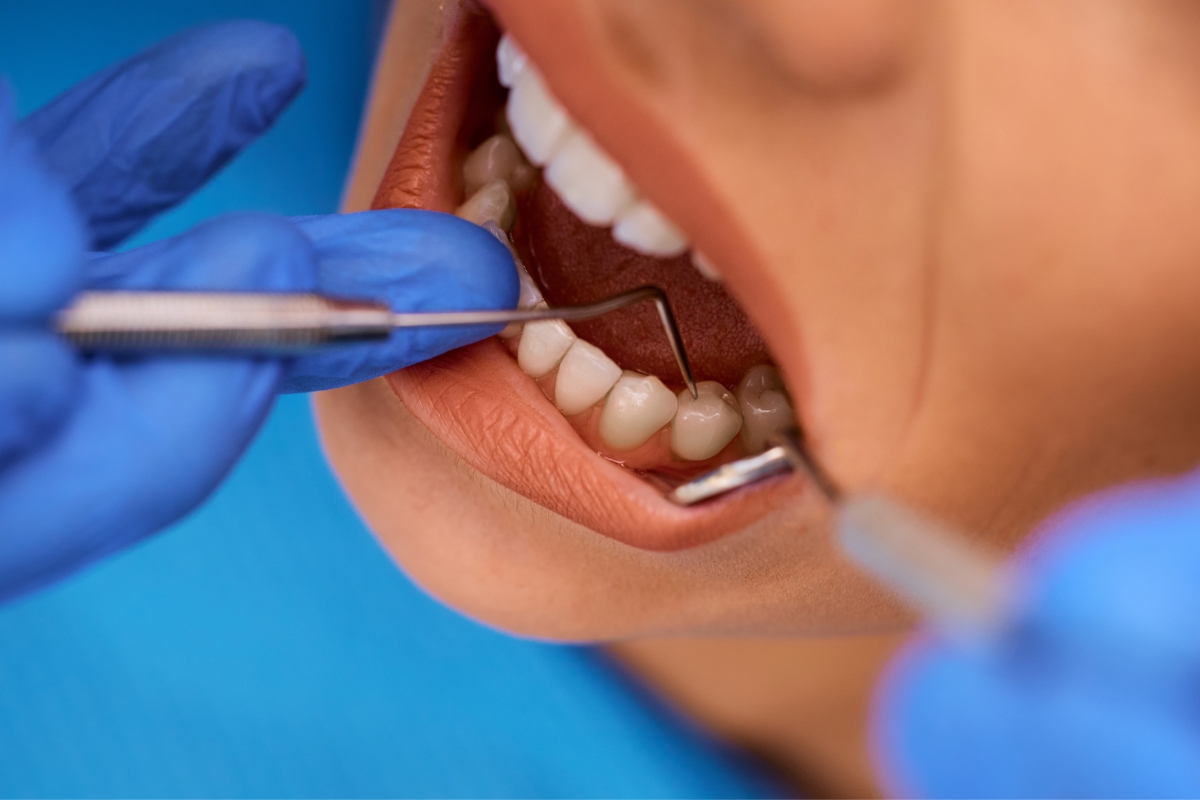
A periodontist in Wheat Ridge can take a closer look and recommend treatments based on your specific condition. These may include deep cleanings, targeted therapies, or procedures designed to restore gum coverage.
Getting help early often means simpler treatment and better results.
A Practical Way to Think About Gum Care
Instead of searching for a quick fix, it’s more helpful to think of gum health as something you maintain over time. Small, consistent habits—like gentle brushing, daily flossing, and regular checkups—make a bigger impact than any single remedy.
Home care plays an important role, but it works best alongside professional support. Paying attention to early signs and acting on them can help you avoid more complex issues later.
If your gums feel different or your teeth are becoming more sensitive, don’t ignore it—schedule an appointment to get the right care and keep your smile healthy.
Frequently Asked Questions
Can gum recession heal on its own?
No, gum tissue does not naturally grow back. However, proper care can help prevent further recession.
What is the safest way to brush if my gums are sensitive?
Use a soft-bristled toothbrush and gentle, circular motions. Avoid pressing too hard.
Why are my teeth more sensitive with gum recession?
As gums pull back, the tooth roots become exposed, which makes them more sensitive to temperature and touch.
Are home remedies enough to treat gum recession?
They can help manage symptoms but won’t fix the underlying issue. Professional care is often needed.
Does flossing help with receding gums?
Yes, flossing removes plaque buildup and helps prevent gum disease, which can worsen recession.
How often should I see a specialist for gum issues?
If you have ongoing concerns, more frequent visits—every few months—may be recommended to monitor your gum health.