



It often starts quietly. A missing tooth doesn’t always cause immediate pain, so it’s easy to push it aside. But months later, chewing feels different. Your bite feels uneven. Photos show subtle changes in your face that weren’t there before. These shifts aren’t imagined—they’re often linked to changes happening inside the jawbone.
When a tooth is lost, the bone beneath it begins to weaken without the stimulation it once received. Over time, this can affect surrounding teeth, facial balance, and overall oral function. Many patients don’t realize how closely tooth roots and jawbone health are connected until problems begin to surface.
This is one reason people exploring long-term tooth replacement often turn to an implant dentist in Wheat Ridge, where dental implants are commonly used to help protect the jawbone and maintain oral stability.
What Happens to the Jawbone After Tooth Loss?
Why Bone Shrinkage Occurs
Your jawbone stays strong through regular use. Each time you chew, the roots of your teeth transmit pressure into the bone, signaling your body to keep that bone dense and active. Once a tooth is gone, that signal disappears.
Without stimulation, the body begins breaking down the unused bone tissue. This process is gradual but continuous, and it explains why untreated tooth loss can eventually lead to shifting teeth, bite changes, and facial sagging.
The Impact Over Time
Research shows that bone loss can begin within the first six months after losing a tooth, with significant changes often occurring during the first year. This loss doesn’t stop on its own—it progresses unless the area is treated.
Understanding these tooth loss effects early allows patients to make informed decisions before bone deterioration becomes harder to manage.
How Dental Implants Help Maintain Jawbone Health
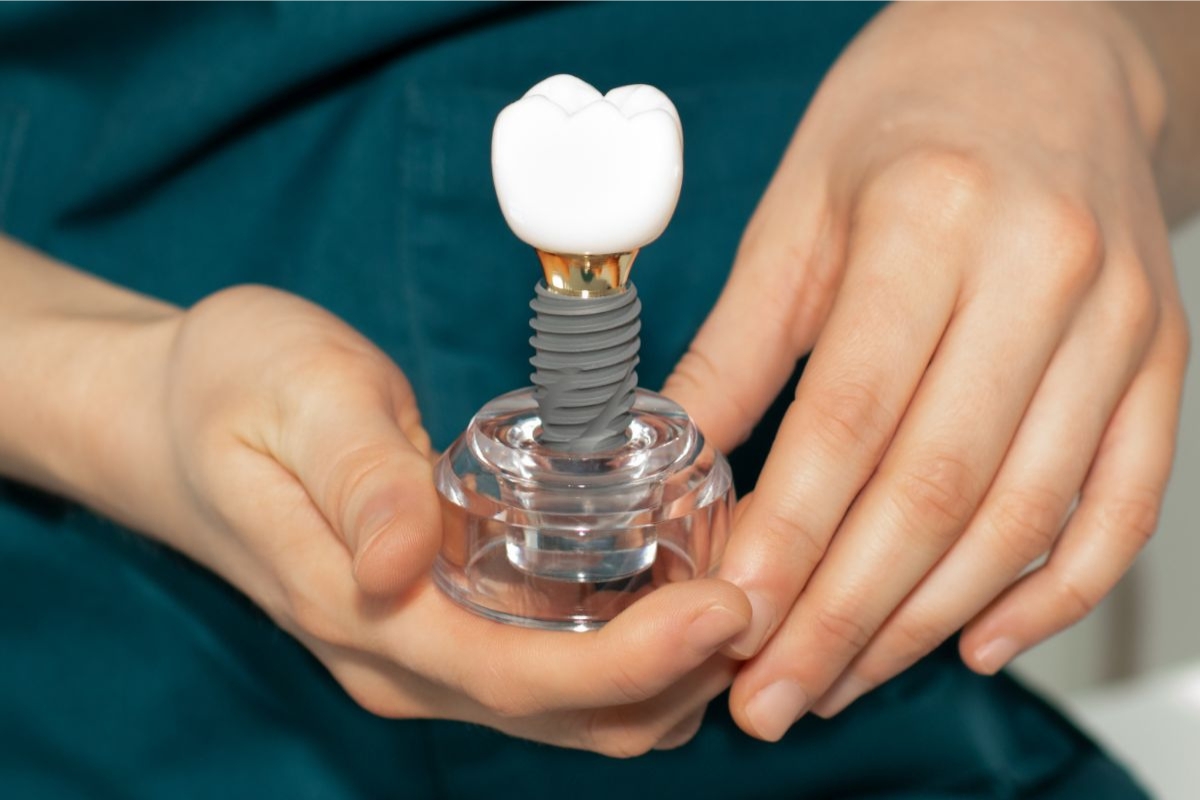
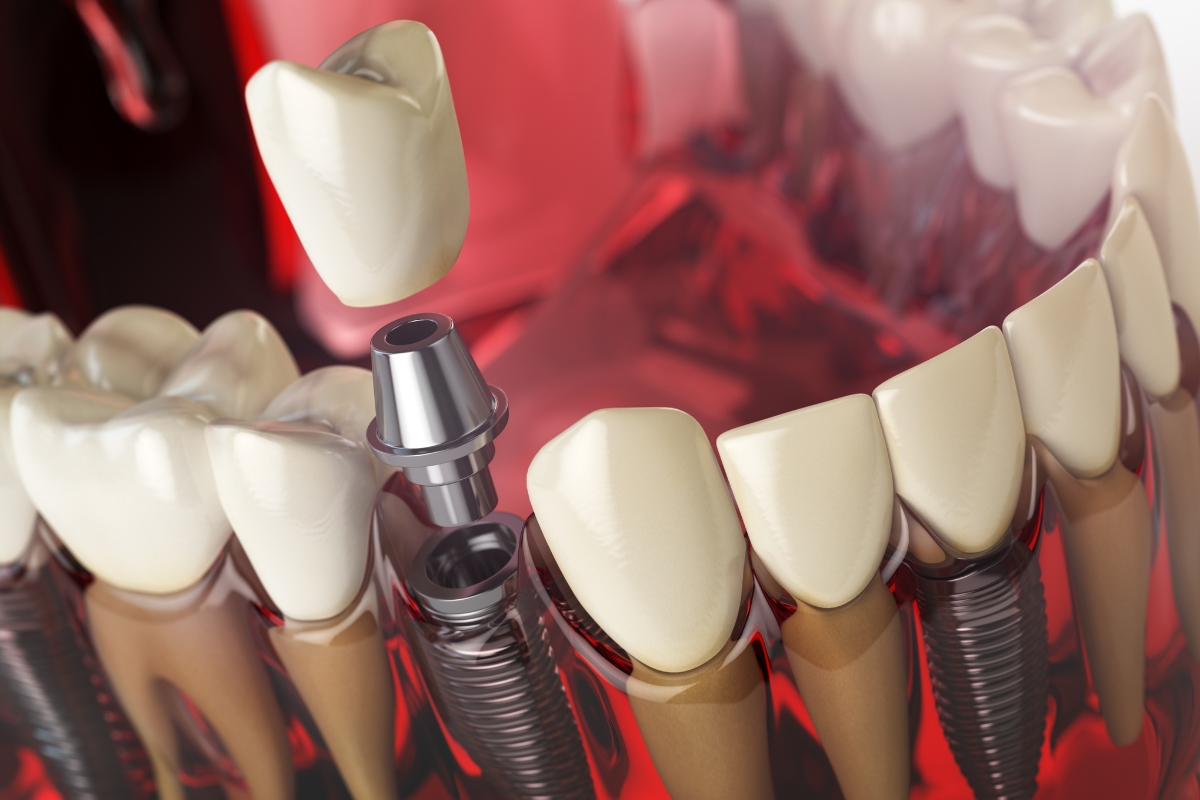
Dental implants are designed to replace both the tooth and its root. This distinction is critical when it comes to bone preservation.
Bone Stimulation Through Daily Function
An implant is placed into the jawbone, where it integrates with the surrounding tissue. Once healed, it transfers pressure during chewing just like a natural tooth root. This bone stimulation helps signal the body to maintain bone density in that area.
Other tooth replacement options restore appearance, but implants actively support jawbone health by keeping the bone engaged and functional.
Why Periodontists Are Central to Implant Care
A periodontist focuses on the structures that support teeth, including bone and gum tissue. Their expertise is especially valuable when bone preservation is a priority.
Periodontists assess bone quality, identify areas of existing loss, and determine whether additional support—such as bone grafting—is needed. Their role helps ensure implants are placed in a way that supports long-term oral health benefits, not just short-term aesthetics.
Comparing Dental Implants to Other Options
Why Bridges Don’t Protect the Bone
Dental bridges rely on nearby teeth for support. While they restore the visible gap, the bone underneath remains unstimulated. Over time, bone loss continues beneath the bridge, sometimes compromising nearby teeth.
Dentures and Ongoing Bone Changes
Dentures rest on top of the gums and do not engage the jawbone directly. Many denture wearers experience gradual bone shrinkage, which can lead to loose fittings and discomfort.
Dental implants are currently the only tooth replacement option that directly addresses the underlying cause of bone loss.
Additional Oral Health Benefits of Dental Implants
Beyond preserving bone, implants offer broader oral health advantages.
Better Bite Balance
Because implants are fixed and stable, they help distribute chewing forces evenly. This reduces stress on surrounding teeth and supports a more balanced bite.
Gum Health Support
Implants are cleaned much like natural teeth, making daily oral care easier. With consistent hygiene, gum health around implants can remain stable for years.
Facial Structure Preservation
Maintaining jawbone volume helps support facial contours. Patients often notice their facial appearance remains more consistent compared to untreated tooth loss.
These combined benefits make implants a practical solution for protecting both function and appearance.
Local Insight: Implant Care in Wheat Ridge
Patients in Wheat Ridge often value treatment options that align with active, everyday living. Whether enjoying meals with family or staying physically active, stable teeth matter.
Working with a local implant dentist in Wheat Ridge who collaborates closely with a periodontist allows for treatment plans that focus on durability, comfort, and long-term outcomes—not temporary fixes.
Frequently Asked Questions
How quickly does jawbone loss start after tooth loss?
Bone loss can begin within months. Early evaluation helps prevent more advanced deterioration.
Can implants reverse bone loss?
While implants can’t restore lost bone on their own, they can help prevent further loss by restoring stimulation.
Is a periodontist always involved?
Not always, but a periodontist is often recommended when bone health or gum stability needs special attention.
Are implants difficult to maintain?
No. Daily brushing, flossing, and routine dental visits are usually sufficient.
How long can dental implants last?
With proper care, implants can remain functional for many years.
Protecting Your Jawbone Is a Long-Term Investment
Jawbone shrinkage is one of the most overlooked consequences of tooth loss, yet it plays a major role in long-term oral health. Dental implants address the root of the problem by restoring function where it matters most—inside the bone.
If you’re considering your options with an implant dentist in Wheat Ridge, an individualized consultation can help determine whether implants align with your goals for comfort, stability, and jawbone health. Many patients find reassurance in knowing their treatment supports both present needs and future well-being.
When preserving your smile and oral foundation matters, having a thoughtful conversation may be the right next step. If you’re ready to discuss how implants may support your jawbone health, it could be time to schedule an appointment and begin planning care with confidence.