



Dental implants have transformed the way people restore their smiles, providing a long-term solution that looks and functions like natural teeth. But the success of an implant isn’t just about the titanium post—it also depends on the health of the surrounding gum tissue. When gums are weak or receding, the foundation for implants becomes vulnerable. This is where soft tissue grafting plays an important role in improving long-term outcomes.
If you’ve ever worried about gum recession, implant stability, or the overall health of your smile, understanding how soft tissue grafting works can help you make informed decisions about your care. Let’s explore the connection between grafting and implant success, using both science and real-world data.
Why Gum Tissue Matters for Implant Success
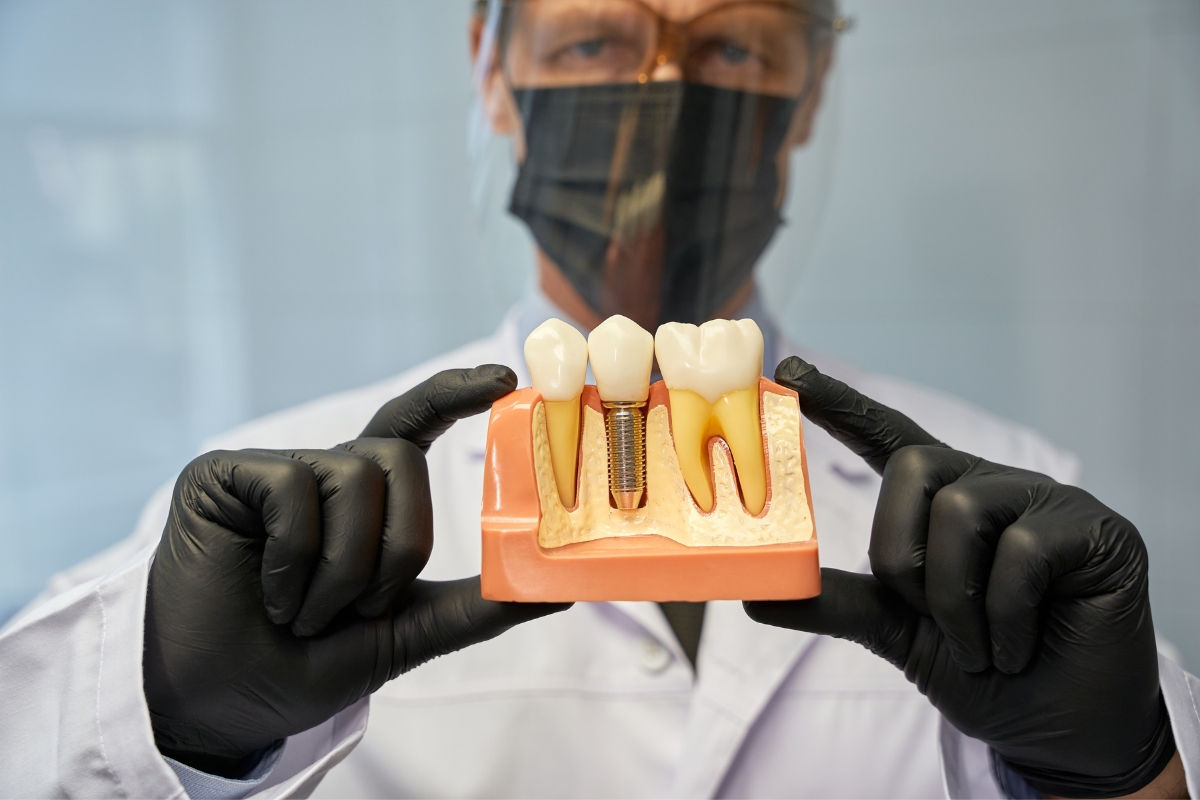
Healthy gums act as a protective barrier around natural teeth and implants. They shield the underlying bone from harmful bacteria, maintain proper tissue thickness, and provide support for chewing forces. When gums recede or become thin, dental implants face greater risks, including:
- Higher susceptibility to infection
- Increased implant mobility
- Exposure of the implant surface
- Aesthetic issues, such as elongated teeth or visible implant posts
According to research published in the Journal of Periodontology, patients with thicker gum tissue around implants tend to experience fewer complications and greater long-term stability. This underscores why periodontists often recommend grafting as part of a comprehensive implant treatment plan.
What Is Soft Tissue Grafting?
Soft tissue grafting is a minor surgical procedure designed to strengthen or rebuild the gum tissue around teeth or implants. During the process, a periodontist may use tissue from your palate or donor material to cover exposed areas or thicken thin gums.
The procedure offers multiple benefits:
- Reinforces gum thickness for better implant stability
- Protects exposed implant surfaces from bacteria
- Improves the cosmetic appearance of the smile
- Prevents further gum recession
When combined with dental implants, soft tissue grafting helps create a healthier environment that directly lowers the chance of implant failure.
The Link Between Soft Tissue Grafting and Implant Failure Prevention
Strengthening Tissue Health
Thin gum tissue is more likely to shrink or recede over time, leaving implants exposed. A graft increases thickness, forming a stable seal around the implant post. This reduces infection risks and supports healthy integration with the surrounding bone.
Supporting Long-Term Implant Success
Studies have shown that implants surrounded by strong, keratinized tissue enjoy higher success rates compared to those with minimal gum coverage. Grafted gums act like armor, keeping bacteria at bay and preventing complications like peri-implantitis (inflammation around implants).
Preventing Gum Recession Around Implants
Just like natural teeth, implants can suffer from gum recession. By reinforcing the gums early, grafting reduces the chances of future shrinkage, preserving both function and appearance.
Local Context: Soft Tissue Grafting in Wheat Ridge
Patients in Wheat Ridge and nearby communities often ask whether tissue grafting is truly necessary. While not every implant case requires it, individuals with thin or receding gums are at higher risk for complications. A periodontist can evaluate your gum thickness and recommend whether grafting should be performed before or after implant placement.
By addressing tissue concerns early, a Wheat Ridge periodontist helps patients enjoy a healthier, more predictable implant journey with fewer long-term risks.
FAQs About Soft Tissue Grafting and Implants
Does every implant patient need soft tissue grafting?
Not always. Patients with naturally thick, healthy gums may not require grafting. However, those with thin or receding tissue benefit significantly from the procedure.
Is the procedure painful?
Most patients report only minor discomfort after soft tissue grafting. Local anesthesia and sedation options make the procedure very manageable.
How long is the recovery?
Healing usually takes 2–3 weeks, with full tissue integration over a few months. Following aftercare instructions helps ensure smooth recovery.
Can grafting improve the look of my smile?
Yes. Besides protecting implants, grafting can restore a natural gumline and improve overall aesthetics, especially if gum recession was noticeable.
Data-Backed Insights
- The American Academy of Periodontology notes that gum grafting not only prevents further tissue loss but also reduces sensitivity and enhances oral function.
- Clinical reviews indicate implant survival rates are significantly higher when surrounded by 2mm or more of keratinized tissue.
- Patients with thin gum biotypes face up to 30% higher risk of implant complications without grafting.
Final Thoughts
Soft tissue grafting is more than a cosmetic enhancement—it’s a critical factor in protecting dental implants and ensuring long-term oral health. By strengthening gum tissue, this procedure reduces infection risks, prevents gum recession, and supports overall implant success.
If you’re considering implants or have concerns about gum health, consulting with a periodontist could be your first step toward a stronger, healthier smile. Protecting your investment in dental implants starts with healthy gums—and soft tissue grafting may be the key to achieving just that.