



Dental implants are not just about replacing a missing tooth—they’re about restoring function, comfort, and confidence in a way that lasts. For that to happen, everything needs to be planned with care before any procedure begins. In periodontal care, that planning phase is just as important as the treatment itself.
Today, one of the most reliable tools used for this purpose is Cone Beam Computed Tomography (CBCT). It gives your periodontist a clear, three-dimensional view of what’s happening beneath your gums, making it easier to plan every detail with accuracy.
What Makes CBCT Different?
You may already be familiar with traditional dental X-rays, but CBCT works differently. Instead of producing a flat image, it creates a detailed 3D scan of your teeth, jawbone, and surrounding structures.
This allows your provider to look at your mouth from multiple angles and better understand:
- The strength and shape of your jawbone
- The exact position of nerves
- The location of sinus cavities
- Any hidden concerns that may affect treatment
It’s a more complete way to evaluate your oral health, especially when implants are involved.
Why CBCT Is So Important for Implant Planning
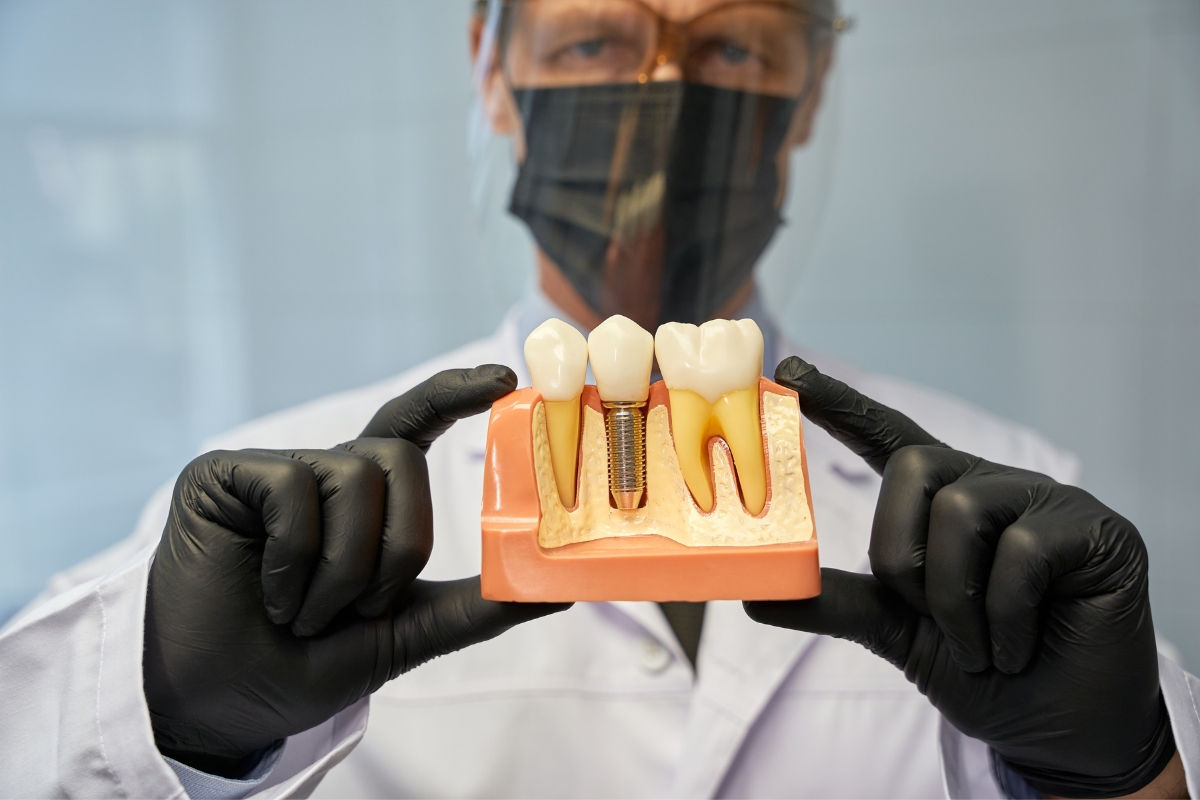
When planning dental implants in Wheat Ridge, CO, your periodontist isn’t just deciding where to place a post—they’re working with your unique anatomy. Even small variations in bone structure can affect how an implant should be positioned.
With CBCT imaging, your provider can:
- Check if your bone is strong enough to support an implant
- Identify the safest and most effective placement area
- Avoid critical structures like nerves and sinuses
- Plan the angle and depth with precision
This kind of detailed planning helps make the procedure more predictable and reduces the chances of complications.
Comparing CBCT to Standard X-Rays
Traditional X-rays still play a role in dental care, but they only show part of the picture. Because they are two-dimensional, some details can be missed or appear unclear.
CBCT scans provide a full 3D view, which means nothing is left to guesswork. Your periodontist can examine your jaw in layers, spotting concerns that might not show up on a regular X-ray.
This leads to:
- More confident decision-making
- Better preparation before surgery
- Reduced chair time during the procedure
- Improved long-term results
How CBCT Helps Create a Personalized Treatment Plan
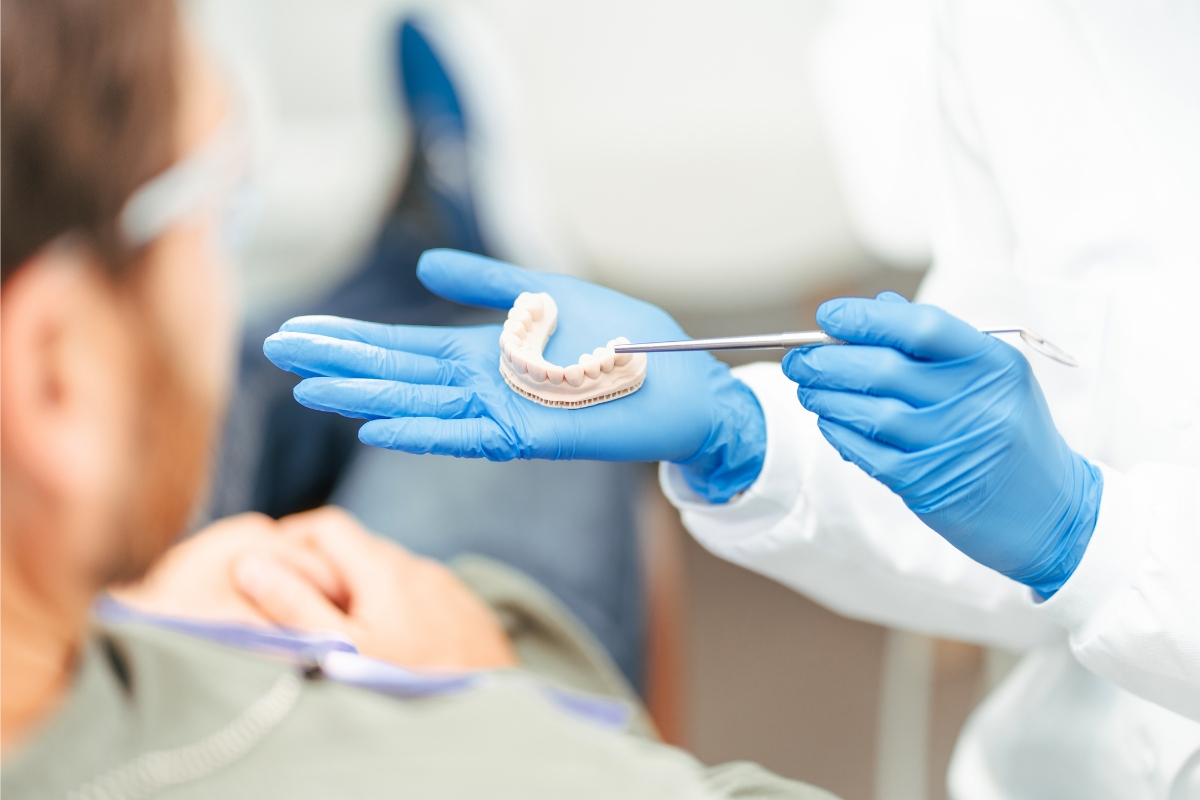
No two patients are alike, and implant treatment should never be one-size-fits-all. CBCT scans allow your periodontist to design a plan that fits your specific needs.
Using the scan, they can:
- Measure bone volume and density accurately
- Determine if additional procedures, like bone grafting, are needed
- Create a digital guide to assist with precise implant placement
This level of customization helps ensure that your implant not only fits well but also functions naturally over time.
What the Scan Experience Is Like
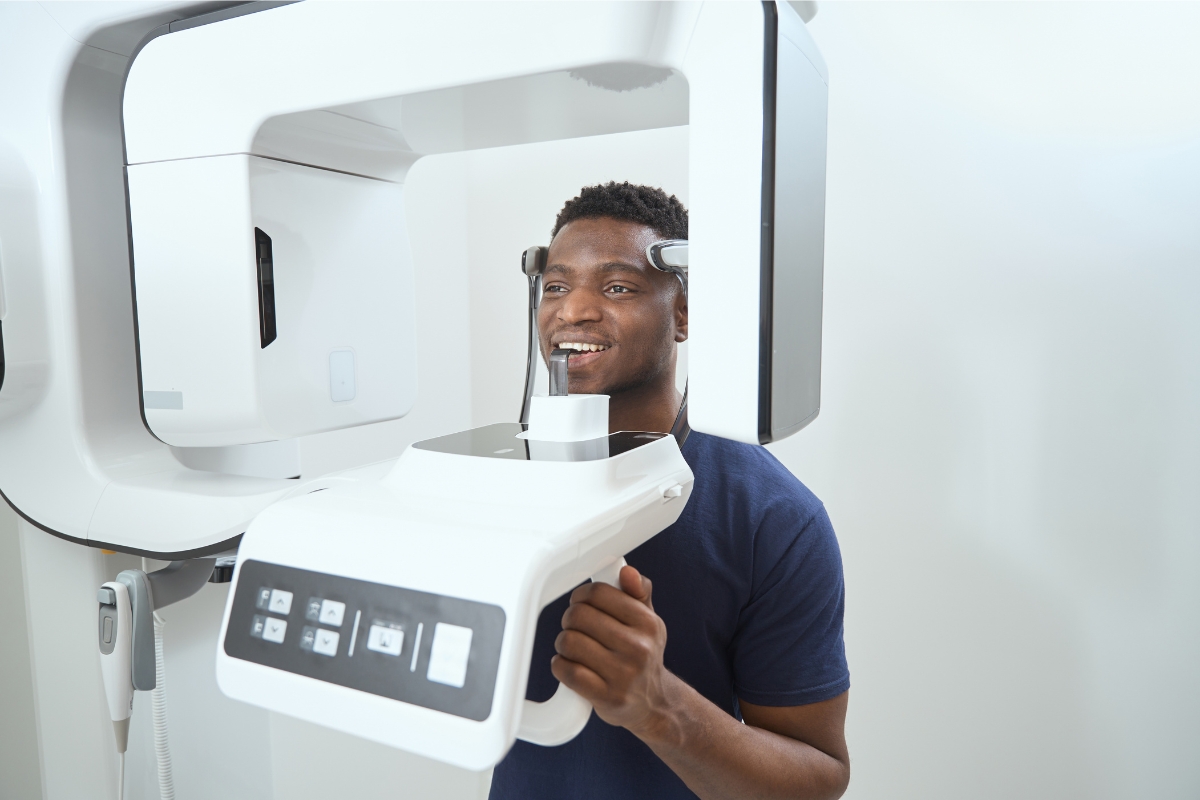
Many patients are surprised at how quick and easy a CBCT scan is. The process is simple and doesn’t require any special preparation.
You’ll be asked to stay still while the machine moves around your head, capturing images in under a minute. There’s no discomfort, no downtime, and you can return to your normal routine right after.
Once the scan is complete, your periodontist reviews the images and uses them to map out your treatment.
Who May Need CBCT Before Implants?
CBCT imaging is often recommended for implant cases, especially when a detailed evaluation is needed.
You might be a good candidate for this type of scan if you:
- Have experienced bone loss due to gum disease or injury
- Need more than one implant or a full-arch solution
- Have had previous dental procedures in the area
- Require careful planning around sensitive structures
For periodontal patients, this added level of insight helps make treatment safer and more predictable.
A More Confident Path to Long-Term Results
Dental implants are meant to be a long-lasting solution, and achieving that starts with thoughtful planning. CBCT imaging allows your periodontist to approach your treatment with clarity and precision, reducing risks and improving overall outcomes.
If you’re exploring dental implants in Wheat Ridge, CO, choosing a provider who uses advanced imaging can make a meaningful difference in both your experience and your results.
Take the next step toward a stronger, healthier smile—schedule an appointment today to learn how personalized implant planning can work for you.
Frequently Asked Questions
Is CBCT imaging safe for patients?
Yes, CBCT uses a low dose of radiation and is considered safe when used appropriately for diagnostic purposes.
Do I always need a CBCT scan for dental implants?
In most cases, it’s recommended because it provides the detail needed for accurate planning, but your periodontist will decide based on your needs.
How long does the scan take?
The actual scan usually takes less than a minute to complete.
Is there any pain or recovery time?
No, the scan is completely painless and doesn’t require any recovery afterward.
Can CBCT detect issues that regular X-rays miss?
Yes, it provides a more detailed view, making it easier to identify concerns that may not appear on standard X-rays.
How does CBCT improve implant success?
It helps your provider plan placement with precision, which lowers risks and supports better, longer-lasting results.