


Getting a dental implant can feel like a fresh start. After dealing with a missing tooth, you finally have a replacement that looks natural and helps you chew with confidence. So, when you notice tenderness, pressure, or an unusual sensation around your new tooth, it is understandable to wonder whether something has gone wrong.
Dental implant sensitivity does not always indicate a serious problem. Some discomfort can occur while the surrounding tissues heal, but persistent or worsening symptoms deserve attention. Understanding what causes these sensations, how the healing process works, and when to seek professional care can help you protect your new smile.
For patients in Wheat Ridge, CO, knowing the difference between expected healing discomfort and warning signs is an important part of maintaining long-term oral health.
Is Dental Implant Sensitivity Normal?
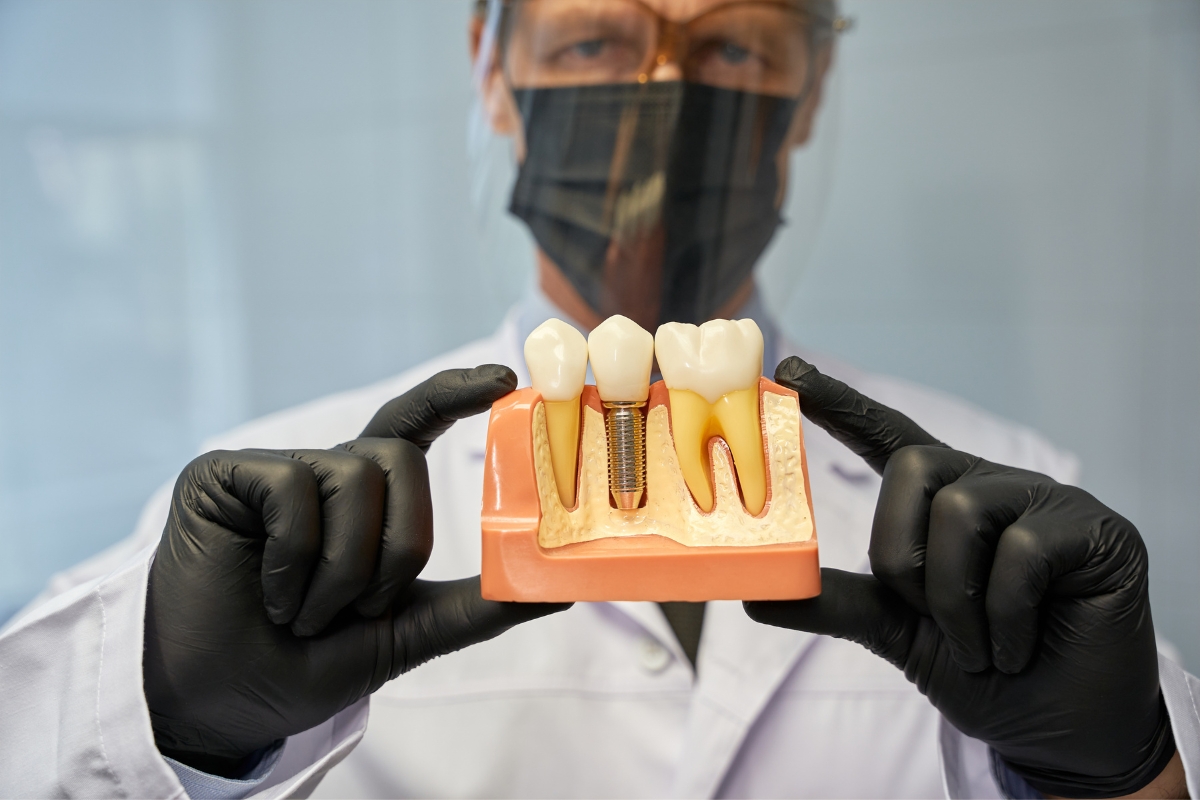
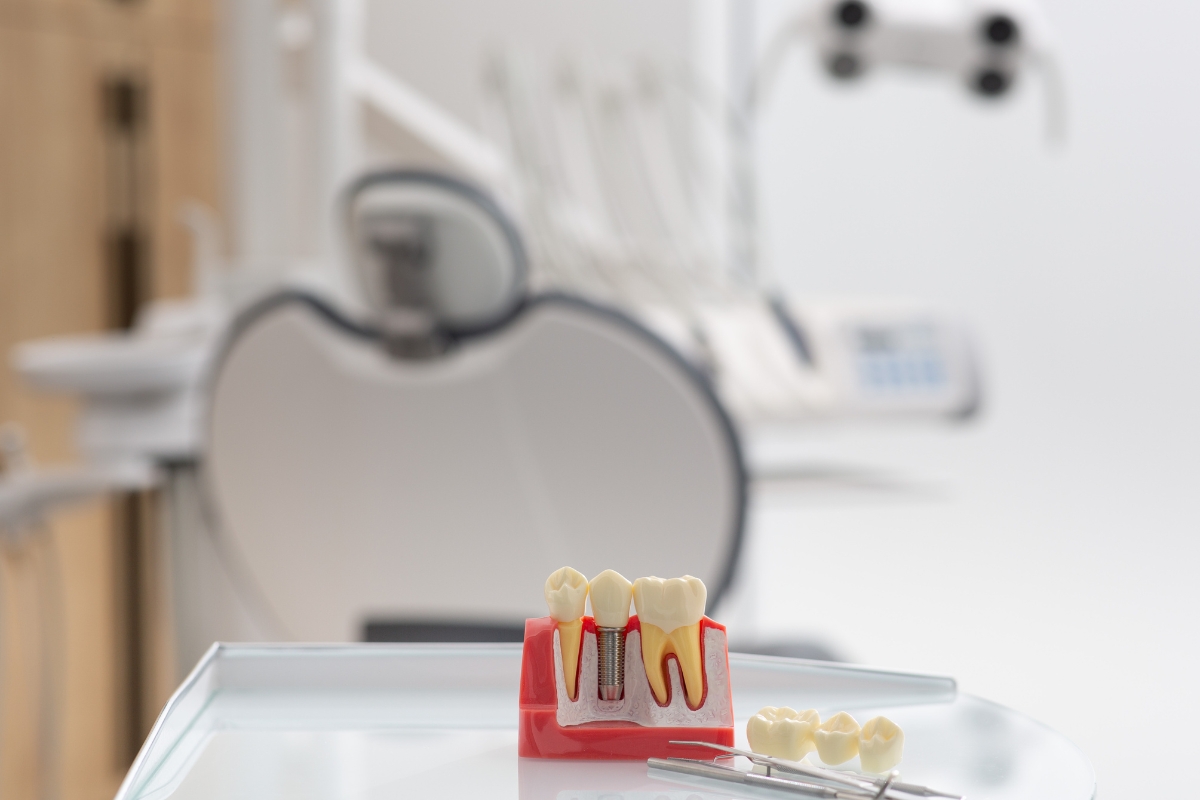
A dental implant differs from a natural tooth because it does not contain a living nerve. The titanium post sits in the jawbone, where it gradually integrates with the surrounding bone. However, the gums, bone, and neighboring teeth still contain nerves and other sensitive tissues.
That means you may feel soreness, pressure, or tenderness around an implant even though the implant itself has no nerve.
What You Might Feel During Healing
During the first several days after implant surgery, you may notice:
- Mild soreness around the surgical site
- Tender or swollen gums
- Discomfort when chewing near the implant
- Minor bruising or pressure around the area
These symptoms should generally improve rather than intensify. The timing and severity depend on factors such as the complexity of the procedure, whether bone grafting was necessary, and your overall oral health.
The dental implant healing process can take several months because the implant needs time to bond with the jawbone. Initial gum healing usually occurs sooner, but complete integration takes longer.
When Sensitivity Is Less Typical
A sensitive dental implant that becomes increasingly painful, feels unstable, or causes persistent discomfort needs professional evaluation. Sensitivity that develops after a period of comfortable use also deserves attention, especially if you notice swelling, bleeding, or pain when biting.
What Causes Sensitivity Around a Dental Implant?
Several conditions can explain tooth sensitivity after dental implant placement. Identifying the underlying cause is more useful than simply trying to manage the discomfort.
Normal Tissue Healing
Surgery affects the gums and surrounding bone. As these tissues recover, they may remain tender for a short time. Pressure from chewing or brushing near the surgical site can also trigger temporary discomfort.
Improvement over time is generally reassuring, although your dental team should assess symptoms that persist beyond the expected recovery period.
Gum Inflammation or Peri-Implant Disease
Plaque can accumulate around an implant just as it does around natural teeth. If bacteria irritate the surrounding gums, you may develop redness, swelling, tenderness, or bleeding.
Peri-implant mucositis involves inflammation of the soft tissue around an implant. If inflammation progresses and affects the supporting bone, it may develop into peri-implantitis. This condition requires timely professional care because bone loss can threaten implant stability.
Bite Pressure or a Poorly Balanced Restoration
Sometimes, a new crown contacts the opposing teeth too heavily. You might feel pressure or pain when biting, even if the implant site initially healed well.
Your dentist can check how your teeth meet and determine whether the crown needs an adjustment. Avoid trying to correct the bite yourself.
Problems With the Implant or Surrounding Bone
Persistent pain around dental implants can occasionally indicate an issue with bone integration, infection, or implant stability. Smoking, uncontrolled diabetes, a history of periodontal disease, and inadequate plaque control can influence healing or increase the risk of complications.
These factors do not automatically mean an implant will fail. They do, however, make regular monitoring and personalized maintenance especially important.
Sensitivity From a Neighboring Tooth
Not every uncomfortable sensation comes from the implant. A nearby natural tooth may have decay, a crack, gum recession, or exposed root surfaces.
Because natural teeth have nerves, they can react to cold drinks, hot foods, or sweets. A dental examination can help distinguish these problems from implant-related discomfort.
How to Manage Dental Implant Discomfort at Home
If your symptoms are mild and consistent with the recovery instructions provided by your dental team, a few practical steps can help.
Follow Your Post-Operative Instructions
Use prescribed medications as directed, and ask your dental team before taking additional pain relievers. A cold compress may help reduce swelling during the early recovery period when recommended.
Choose Comfortable Foods
Stick to soft foods during the initial healing period and avoid chewing hard or crunchy items directly over the surgical site. Follow your dentist’s instructions about when to return to your normal diet.
Keep the Area Clean
Brush gently with a soft-bristled toothbrush and follow the cleaning instructions you received after surgery. Avoid aggressive brushing or using unapproved products on the implant site.
Avoid Smoking
Smoking can interfere with healing and increase the risk of implant complications. Avoid smoking during recovery and discuss cessation support with your dental team if needed.
Home care may ease mild symptoms, but it cannot correct an infection, a bite problem, or a loose implant.
When Should You Contact Your Dentist?
Do not wait for a routine checkup if discomfort becomes more severe or unusual.
Contact your dental provider promptly if you experience:
- Pain that increases instead of improving
- Persistent swelling, redness, or bleeding around the implant
- Pus, an unpleasant taste, or drainage near the surgical site
- Pain when biting that continues or worsens
- A loose-feeling implant or crown
- New sensitivity after months of comfortable use
Seek urgent medical attention if swelling spreads rapidly, you develop difficulty swallowing or breathing, or you experience other signs of a serious infection.
Patients with a history of gum disease should be particularly attentive to changes around their implants. If you need ongoing support, an implant dentist Wheat Ridge patients can consult should assess both the restoration and the health of the surrounding periodontal tissues.
How to Protect Your Implant for the Long Term
Successful implant care continues long after the surgical site heals. Brush twice daily with fluoride toothpaste, clean between your teeth and around the implant every day, and attend regular professional maintenance visits.
Your dental team may recommend specialized brushes or interdental cleaning tools to help you reach areas around the restoration. Routine examinations also allow your provider to monitor gum inflammation, check implant stability, and evaluate the supporting bone when appropriate.
For patients in Wheat Ridge and nearby communities, Colorado Periodontal Associates can be a resource for understanding periodontal health and the tissues that support dental implants. A personalized maintenance plan is particularly helpful if you have previously experienced gum disease.
Take the Next Step Toward a Comfortable Smile
A new dental implant should help you eat, speak, and smile with confidence. Although some tenderness can be expected during recovery, ongoing sensitivity is worth investigating rather than ignoring. Early evaluation can help identify the cause and guide appropriate treatment before a manageable issue becomes more complicated.
If you are experiencing discomfort around an implant in Wheat Ridge, CO, visiting Colorado Periodontal Associates can help you understand your periodontal health and the next steps for protecting your smile.
Frequently Asked Questions
Can a dental implant feel sensitive to cold?
The implant itself does not have a nerve, so it should not respond to cold in the same way a natural tooth does. If cold drinks trigger discomfort, a neighboring tooth, exposed root, or surrounding tissue may be responsible. Arrange an examination if the sensation persists.
How long should dental implant sensitivity last?
Mild soreness often improves over the first several days after surgery. Complete healing takes longer, sometimes several months. Persistent, worsening, or newly developing discomfort should be assessed rather than assumed to be part of normal healing.
Does sensitivity mean my dental implant is failing?
No. Sensitivity alone does not confirm implant failure. Inflammation, bite pressure, nearby tooth problems, and healing changes can all cause discomfort. A dental examination is necessary to identify the cause.
Can gum disease affect a dental implant?
Yes. Inflammation around an implant can damage the supporting tissues, and peri-implantitis can lead to bone loss. Daily cleaning, professional maintenance, and early treatment of inflammation help reduce the risk of complications.