

Getting dental implants can bring a mix of excitement and worry. You may look forward to eating comfortably and smiling with confidence again, but the first few days after surgery can leave you wondering whether your gums are healing as they should. Understanding gum healing after dental implants can help you feel more prepared and recognize when something needs attention.
Your gums play an important role in protecting the implant site while the underlying bone heals. Although the initial soreness and swelling usually improve within days, complete recovery takes longer. The timeline depends on your oral health, the complexity of your procedure, and whether you need additional treatment, such as bone grafting.
At Colorado Periodontal Associates in Wheat Ridge, CO, patients can benefit from understanding the different stages of recovery and the steps that support healthy gum tissue after implant surgery.
How Long Do Gums Take to Heal After Dental Implants?
For many patients, the gums begin to feel noticeably better within the first week or two after implant placement. However, the surface tissue may take several weeks to settle, while the jawbone continues integrating with the implant over several months.
The exact dental implant gum recovery time varies from person to person. A straightforward implant procedure may heal faster than surgery involving multiple implants, bone grafting, or extensive tissue work.
Typical Dental Implant Healing Timeline
Here is a general guide to what you may experience after surgery:
- First 24–72 hours: Mild bleeding, tenderness, swelling, and bruising may occur. Swelling often peaks around the second or third day.
- Days 4–7: Discomfort and swelling should gradually decrease. The gum tissue begins closing around the surgical site.
- Weeks 1–2: Many patients notice substantial improvement in tenderness and everyday comfort. Your periodontist may schedule a follow-up to check the site and remove stitches if necessary.
- Weeks 2–6: The surface gum tissue continues maturing, although the area may remain sensitive.
- Three to six months or longer: The implant may continue integrating with the surrounding bone. The exact timeline depends on the treatment plan and individual healing response.
These timeframes are estimates, not guarantees. Gum healing and bone integration are separate processes, and an implant may require several months before it can support its final restoration.
Understanding the Dental Implant Healing Stages
Knowing what happens beneath the gumline can make recovery less stressful. Each stage contributes to the stability and long-term health of your implant.
Stage 1: Blood Clot Formation and Early Healing
Immediately after surgery, a blood clot forms at the treatment site. This clot helps protect the wound and supports the early healing process.
Your gums may appear red or swollen, and you may notice minor bleeding during the first day. Follow your surgeon’s instructions carefully, avoid disturbing the surgical site, and do not rinse vigorously unless your provider tells you otherwise.
Stage 2: Gum Tissue Repair
Over the following days, the body begins repairing the injured tissue. New cells gradually cover the wound, and tenderness should start to ease.
During this stage, gentle oral hygiene becomes especially important. Your provider may recommend careful brushing around the area, a prescribed rinse, or warm saltwater rinses when appropriate. Avoid directly brushing over a fresh surgical site until your clinician says it is safe.
Stage 3: Tissue Maturation and Bone Integration
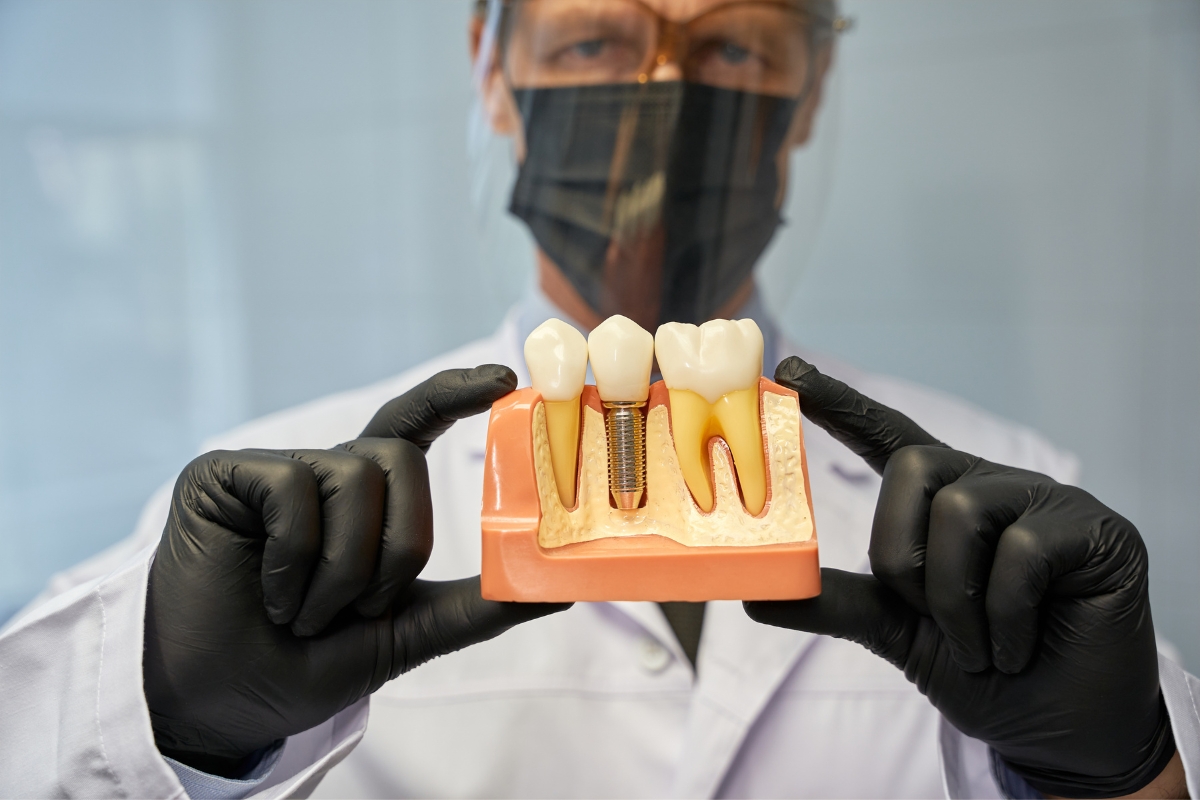
Over the next several weeks, the gum tissue becomes more organized and resilient. Meanwhile, the jawbone begins forming a stable connection with the implant surface, a process called osseointegration.
This process can take approximately three to six months, sometimes longer. Even if your gums look healthy, the implant may not yet be ready for the final crown or other restoration. Your implant provider will determine when it is appropriate to proceed.
Signs of Healthy Gum Healing After Dental Implants
It is normal to have some discomfort after surgery. What matters most is the overall direction of your recovery.
Common signs of healthy gum healing after dental implants include:
- Swelling that gradually decreases after the first few days.
- Less tenderness when eating or speaking.
- Bleeding that stops rather than continues or returns.
- Gum tissue that gradually closes around the surgical site.
- No persistent pus, worsening redness, or unpleasant drainage.
- Gradual improvement in your ability to maintain oral hygiene comfortably.
Your gums may not look completely normal immediately, and mild sensitivity can linger. Pay attention to changes over time rather than judging recovery by appearance alone.
When Should You Contact Your Periodontist?
Contact your dental provider promptly if you experience increasing pain after the first few days, swelling that worsens instead of improving, persistent bleeding, pus, fever, or a bad taste accompanied by other symptoms.
Severe swelling that affects breathing or swallowing requires emergency medical care.
You should also contact your provider if the implant feels loose. Do not repeatedly touch or test it yourself, as this can disturb the healing site.
How to Support Gum Tissue Healing After Implant Surgery
Your daily habits can influence comfort and help protect the surgical area while it recovers.
Keep Your Mouth Clean
Follow the specific cleaning instructions provided by your implant surgeon. Brush your other teeth gently, use a soft-bristled toothbrush when advised, and clean around the surgical site only as directed.
Avoid vigorous rinsing, forceful spitting, or using unapproved products that could irritate the tissue.
Choose Foods That Are Easy to Chew
For the first several days, consider soft foods such as yogurt, scrambled eggs, oatmeal that has cooled, mashed potatoes, and smooth soups that are not too hot.
Avoid hard, crunchy, sticky, or very spicy foods near the surgical site. Gradually return to your usual diet according to your provider’s instructions.
Avoid Smoking and Tobacco
Smoking can impair blood flow and interfere with wound healing. It may also increase the risk of implant complications and failure. Avoid smoking and other tobacco products during recovery, following your clinician’s recommendations about how long to abstain.
Follow Your Medication Instructions
Take prescribed medications exactly as directed. Do not stop antibiotics early or change your pain medication schedule without consulting your provider. If a medication causes a concerning reaction, seek medical advice.
Attend Follow-Up Visits
Follow-up appointments allow your clinician to assess the gum tissue, check for complications, and monitor the implant’s progress. Healing may require closer monitoring if you have gum disease, a history of periodontal problems, or a bone graft.
What Can Delay Gum Healing After Dental Implants?
Several factors can extend recovery, including:
- Existing gum disease: Inflammation and periodontal infection can affect the tissues supporting your teeth and implants.
- Smoking: Tobacco use can slow wound healing and raise the risk of complications.
- Poorly controlled diabetes: Elevated blood sugar may interfere with normal tissue repair.
- Bone grafting or extensive surgery: Additional procedures can increase the time needed for recovery.
- Inadequate oral hygiene: Plaque buildup can irritate the gums and contribute to infection.
- Failure to follow aftercare instructions: Disturbing the surgical site or returning to strenuous activities too early may complicate recovery.
If you are considering dental implants Wheat Ridge patients can discuss their gum health, bone support, and individual healing needs with a periodontal care provider before treatment. Addressing existing periodontal concerns before implant placement can help establish a healthier foundation.
Give Your Dental Implant Time to Heal
Gum recovery after implant surgery usually progresses from early swelling and tenderness to gradual tissue repair over the following weeks. Bone integration takes longer, so following your personalized aftercare plan remains important even when your mouth feels normal.
If you notice unusual symptoms or have concerns about your recovery, a periodontal evaluation can help determine whether your gums are healing as expected. Colorado Periodontal Associates can assess your gum health and discuss the factors that may affect implant healing in Wheat Ridge, CO.
Schedule an appointment to discuss your dental implant recovery and periodontal health.
Frequently Asked Questions
How long does gum swelling last after dental implant surgery?
Swelling commonly peaks within 48–72 hours and then gradually decreases. Some residual swelling or tenderness may persist for a week or longer, particularly after more extensive surgery. Worsening swelling needs prompt evaluation.
Can I brush my teeth while my implant heals?
Yes, but you must protect the surgical area. Brush the rest of your teeth carefully and follow your provider’s instructions for cleaning near the implant. Avoid directly brushing the wound until your clinician says it is safe.
Is it normal for gums to look white after implant surgery?
A thin white or pale layer can sometimes represent normal healing tissue or fibrin. However, color alone cannot confirm that healing is healthy. Contact your provider if the area develops increasing pain, swelling, pus, a persistent bad taste, or other concerning symptoms.
When can I eat normally after dental implants?
Many patients gradually expand their diet as tenderness improves, but timing depends on the procedure and your provider’s instructions. Continue avoiding foods that could injure the site, and do not chew hard foods on the implant before you receive clearance.
Does healthy-looking gum tissue mean my implant has healed completely?
No. The gum tissue may look healthy before the implant has fully integrated with the jawbone. Your provider will evaluate the implant’s stability and healing progress before recommending the next stage of treatment.