



Losing a tooth can feel overwhelming — not just physically, but emotionally. Many people in Wheat Ridge choose dental implants because they want a stable, long-term solution that helps them smile, speak, and feel like themselves again. Still, one of the most common questions patients ask during consultations is simple but important: Do dental implants get cavities?
This question usually comes from a place of concern, especially for those who have experienced tooth decay before or who worry about protecting their investment. Understanding how implants work — and how implant care affects long-term health — can make the journey feel more confident and informed.
Do Dental Implants Get Cavities?
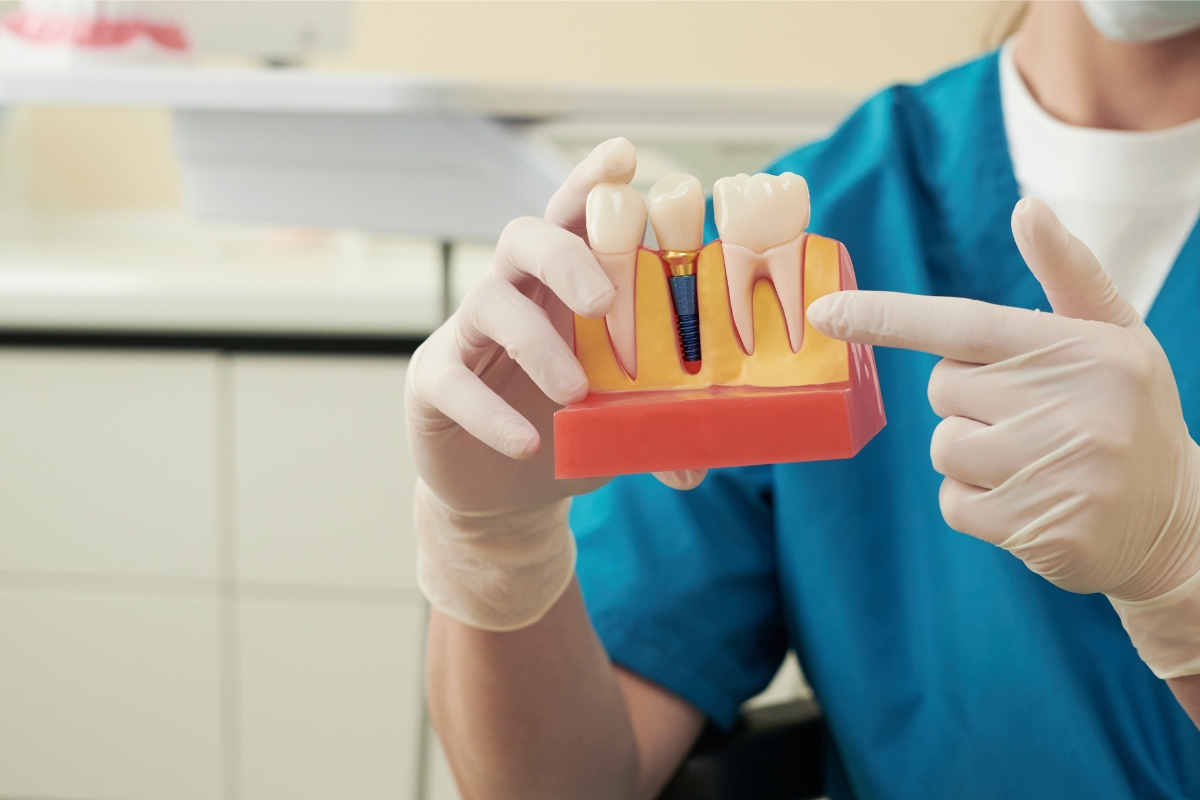
Here’s the reassuring news: dental implants cannot get cavities. Natural teeth contain enamel and dentin, which can break down from bacteria and sugar exposure. Implants, on the other hand, are made from materials such as titanium and ceramic that do not decay.
However — and this part truly matters — the surrounding gum and bone tissue can still be at risk. While the implant itself cannot decay, poor oral hygiene can allow bacteria to accumulate, leading to inflammation and a condition known as peri-implantitis. If left untreated, this infection can damage bone around the implant and potentially cause implant failure.
In Wheat Ridge, many patients choose implants for their strength and reliability, but long-term success depends on consistent, thoughtful implant care rather than the implant material alone.
Local Context: Why Oral Hygiene Still Matters in Wheat Ridge
Residents in Wheat Ridge often lead active lives — balancing work, commuting, outdoor recreation, and family commitments. In busy routines, brushing, flossing, and regular check-ins with a periodontist or implant-focused provider sometimes get delayed. Over time, that delay can increase decay risk around nearby teeth and irritation around implant tissue.
That’s why ongoing care, routine cleanings, and preventive guidance remain essential for anyone with dental implants Wheat Ridge patients trust for long-term function and comfort.
Cavities vs. Implant Problems: What’s the Difference?
Natural Tooth Decay vs. Implant-Related Inflammation
Tooth Decay and Cavity Formation
Cavities form when oral bacteria break down sugars and produce acids that weaken enamel. Over time, this leads to structural tooth damage and sensitivity.
How Peri-Implantitis Develops
Implants lack enamel, but plaque buildup can still irritate soft tissue. When inflammation progresses, it can affect bone stability around the implant. Studies and clinical data show that patients with inconsistent oral hygiene have a higher likelihood of developing peri-implantitis compared to those who maintain routine home care and professional maintenance. While implants have a high success rate, outcomes improve significantly when patients follow consistent implant care habits.
Key Factors That Influence Implant Health
Everyday Habits and Long-Term Stability
Oral Hygiene Routine
Daily brushing, interdental cleaning, and routine professional cleanings reduce bacterial accumulation and protect the tissue surrounding the implant.
Lifestyle and Health Conditions
Smoking, uncontrolled diabetes, and chronic inflammation can increase tissue complications around implants and raise the risk of implant-related gum disease.
Working With a Periodontist When Appropriate
For patients with gum-related concerns or previous bone loss, partnering with a periodontist can support long-term success through monitoring, guidance, and advanced treatment planning.
Practical Implant Care Tips to Reduce Complications
Actionable Steps for Everyday Protection
- Brush twice daily with a soft toothbrush
- Clean between implants and natural teeth using floss or interdental tools
- Schedule regular professional cleanings and evaluations
- Address signs of bleeding, swelling, or tenderness early
- Avoid using teeth as tools or biting excessively hard objects
- Maintain routine periodontal assessments when advised
When these habits become part of daily life, decay risk around neighboring teeth decreases, and the likelihood of peri-implantitis remains significantly lower over time.
FAQs: Common Questions From Patients
Can dental implants fail even if they don’t get cavities?
Yes. While implants cannot decay, they may fail due to infection, trauma, or uncontrolled inflammation. Early management and consistent implant care reduce this risk.
Do implants need special cleaning tools?
Many patients benefit from interdental brushes or water flossers, especially around implant crowns. Your provider may recommend tools based on tissue and bite alignment.
Are dental implants stronger than natural teeth?
Implants are highly durable and function much like natural teeth, but they still require mindful oral hygiene and routine professional care.
How often should I schedule maintenance visits?
Most patients benefit from two to four professional visits per year, depending on gum health, bone stability, and recommendations from their provider or periodontist.
Protecting Your Smile for the Long Term
Dental implants don’t get cavities — but the health of the gums and bone around them depends on thoughtful care, awareness, and ongoing support. When patients stay engaged with routine hygiene and follow-up visits, implants often provide long-lasting comfort, stability, and confidence.
If you’re in Wheat Ridge and want guidance on implant care or have questions about inflammation, gum health, or maintenance planning, you can schedule an appointment so your care team can help you make informed, comfortable decisions about your smile.