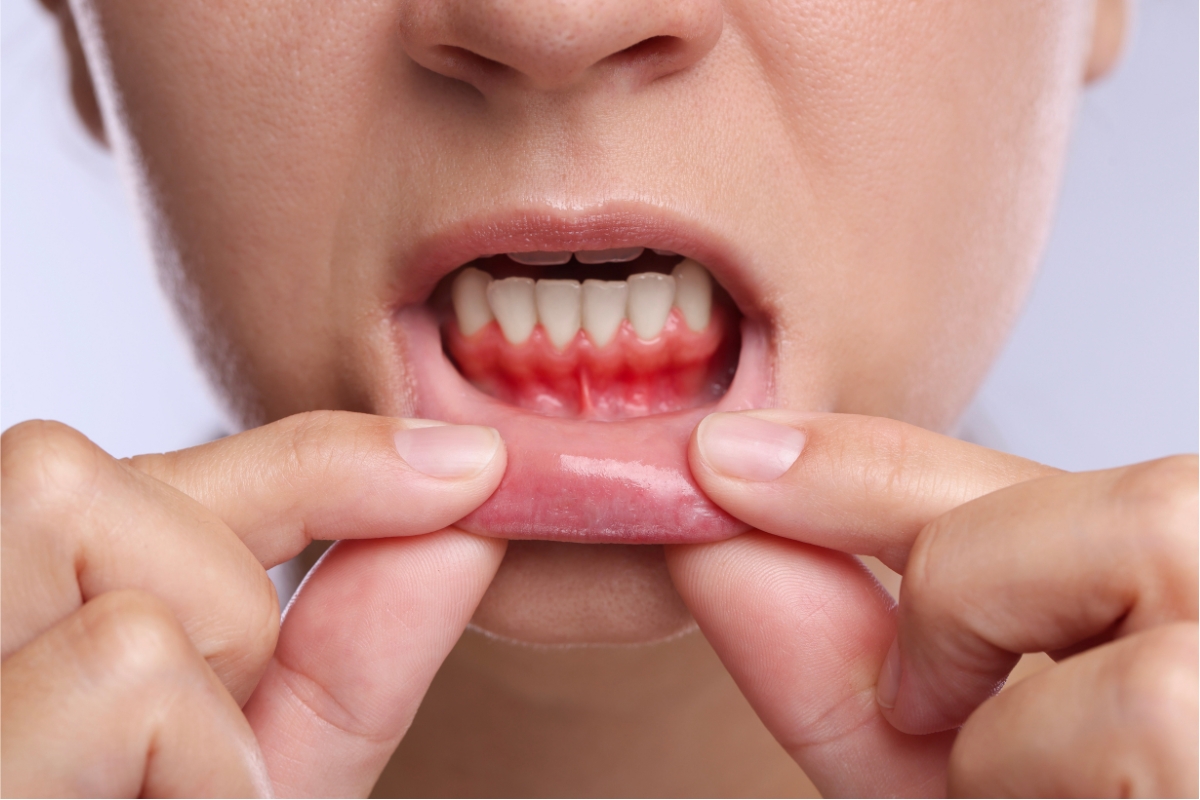




Healthy gums do more than support your teeth—they also protect your overall oral health. When gum tissue becomes uneven, swollen, or overgrown, it creates spaces where plaque and bacteria can collect. Over time, this buildup may lead to irritation, infection, and eventually periodontal disease. That’s why gum contouring is often recommended not just for cosmetic reasons, but also to help maintain healthier gums.
At Colorado Periodontal Associates in Wheat Ridge, gum contouring is used to improve both the appearance and health of the gums. By carefully reshaping excess tissue, periodontists can create a cleaner, more balanced gumline that is easier to care for every day.
Many people searching for a periodontist near me are often dealing with symptoms like bleeding gums, puffiness, or areas that are difficult to clean. In some cases, uneven gum tissue is part of the problem. When bacteria become trapped around the gums, the risk of infection increases. Gum contouring helps reduce those hard-to-clean areas and supports better long-term gum health.
What Is Gum Contouring?
Gum contouring, also called gingival reshaping, is a periodontal procedure that adjusts the shape of the gum tissue around the teeth. Some patients have excess tissue that covers too much of the teeth, while others may have uneven gumlines that make oral hygiene more difficult.
During the procedure, the periodontist gently reshapes the gums to create a smoother and healthier appearance. While many patients enjoy the cosmetic improvement, the health benefits are just as important. A properly shaped gumline makes it easier to brush, floss, and keep bacteria under control.
How Gum Contouring Supports Periodontal Health
Periodontal disease begins when plaque and bacteria collect around the gums and beneath the gumline. If those areas are difficult to clean, inflammation can develop and slowly damage the tissue and bone supporting the teeth.
Gum contouring helps lower these risks in several ways:
Easier Cleaning at Home
When excess tissue is removed, brushing and flossing become more effective. Patients are often able to clean around their teeth more comfortably and thoroughly.
Less Plaque and Bacteria Buildup
Deep folds or uneven gum tissue can trap food particles and bacteria. Reshaping the gums helps reduce these areas where buildup commonly occurs.
Healthier Gum-to-Tooth Support
A smoother gumline creates a healthier seal around the teeth. This can help reduce irritation and limit the chance of bacteria spreading below the gums.
Reduced Risk of Periodontal Pockets
As gum disease progresses, pockets can form between the teeth and gums. These pockets allow bacteria to grow deeper beneath the surface. Gum contouring may help reduce areas where these pockets are more likely to develop.
Who May Benefit From Gum Contouring?
Gum contouring may be recommended for patients who have:
- Swollen or frequently irritated gums
- Uneven gum tissue
- A gummy smile
- Difficulty flossing certain areas
- Plaque buildup around the gumline
- Early signs of periodontal disease
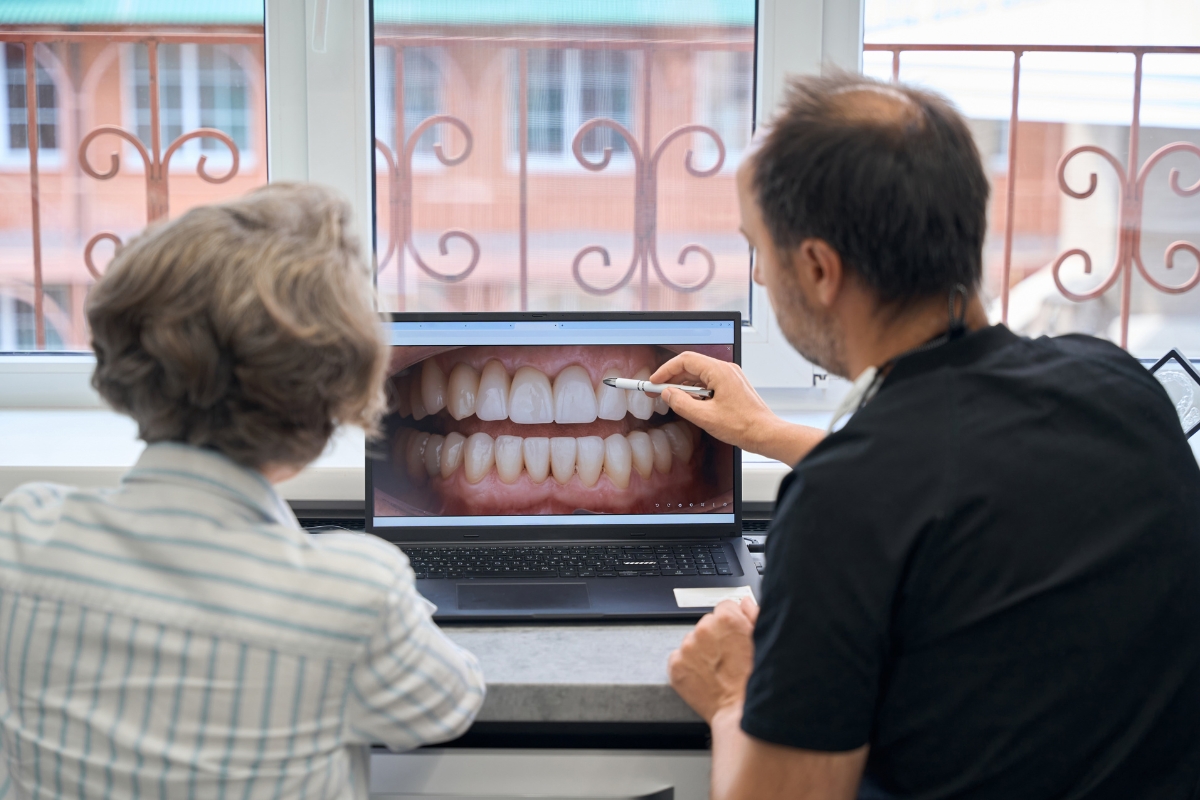
Every patient is different, which is why a periodontal evaluation is important. A specialist can examine your gums, discuss your concerns, and recommend the most appropriate treatment plan for your needs.
Caring for Your Gums After Treatment
After gum contouring, following proper aftercare instructions can help support healing and long-term results. Patients are usually advised to:
- Brush gently around treated areas
- Avoid hard or crunchy foods for a short time
- Use recommended rinses if prescribed
- Continue regular periodontal maintenance visits
Good daily habits also make a difference. Consistent brushing, flossing, healthy eating, and avoiding smoking can all help protect your gums after treatment.
A Healthier Smile Starts With Healthy Gums
Gum contouring is more than a cosmetic treatment. It can help create a healthier environment for your teeth and gums by reducing areas where bacteria collect and making oral hygiene easier. Addressing gum concerns early may also help prevent more advanced periodontal problems in the future.
If you are experiencing gum discomfort, uneven tissue, or signs of gum disease, the team at Colorado Periodontal Associates in Wheat Ridge is here to help. Schedule an appointment today to learn how personalized periodontal care can support a healthier smile.
Frequently Asked Questions
Is gum contouring painful?
The procedure is typically performed using local anesthesia, so patients remain comfortable during treatment. Mild soreness afterward is normal and usually temporary.
Can gum contouring help prevent gum disease?
Yes. By reducing areas where plaque and bacteria collect, gum contouring can support better oral hygiene and help lower the risk of periodontal disease.
How long does recovery take?
Most patients recover within several days to about a week, depending on the extent of treatment and how well aftercare instructions are followed.
Is gum contouring only for cosmetic purposes?
No. Although it improves the appearance of the gums, it also offers important oral health benefits by making the gumline easier to clean and maintain.
When should I see a periodontist?
If you notice bleeding gums, swelling, gum recession, or difficulty cleaning around your teeth, it may be time to visit a periodontal specialist for an evaluation.