

If someone tells you that you have gum disease, the first thought may be, “Can this actually be fixed?” That is a reasonable question.
The answer to can gum disease be cured depends on what your gums have already been through. Early inflammation is often reversible. Periodontitis is different because it can permanently affect the tissues and bone around the teeth. Treatment can still bring the disease under control and help prevent the problem from progressing.
For someone in Wheat Ridge, CO, the most useful step is not trying to diagnose the condition at home. It is finding out what is happening below the gumline.
Not Every Gum Problem Means the Same Thing
There is a difference between gingivitis and periodontitis.
Gingivitis is mainly an inflammation problem. Your gums may bleed more easily or look different than usual, but the deeper structures around the teeth have not been permanently damaged. With proper care, this stage can usually be reversed.
Periodontitis has moved beyond simple inflammation. The tissues that connect your gums and teeth can be damaged, and bone around the teeth can gradually be lost.
That distinction changes the answer to the question of whether gum disease can be cured. A person with gingivitis may be able to return to healthy gums. Someone with established periodontitis usually needs ongoing periodontal care to keep the disease controlled.
The CDC describes gingivitis as reversible, while periodontitis cannot be reversed once the supporting tissues have been destroyed.
Why You May Not Realize There Is a Problem
Gum disease does not always make its presence obvious.
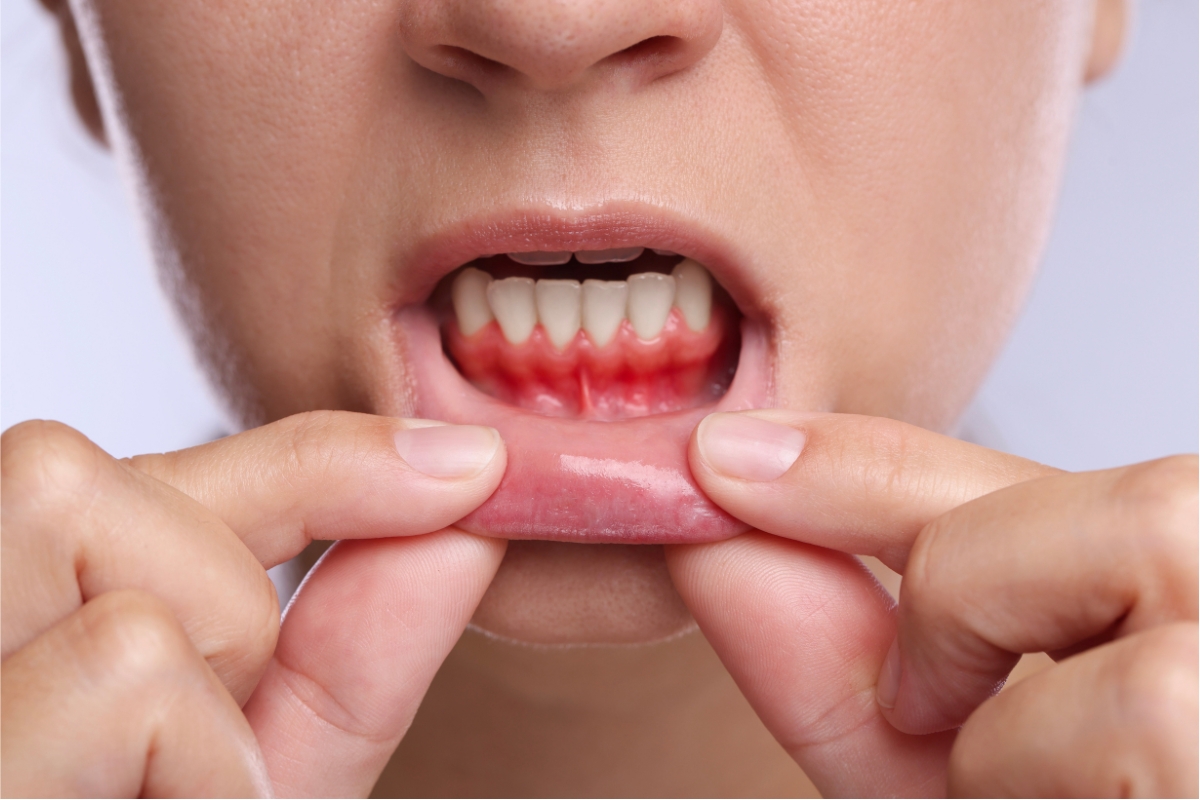
You might notice blood after flossing but feel completely fine otherwise. Perhaps one area of your mouth has started trapping food. Maybe your gums look slightly lower around certain teeth. These changes are easy to overlook when there is no pain.
Some gum disease symptoms worth mentioning to a dental professional include:
- Bleeding that happens repeatedly
- Gums that appear puffy or irritated
- Breath that remains unpleasant despite normal cleaning
- Gums that have receded around certain teeth
- Teeth that feel less secure than they used to
- New spaces appearing between teeth
- Changes in your bite
These signs do not automatically mean you have periodontitis. They are simply reasons to have your gums checked rather than guessing at the cause.
What Happens as Gum Disease Progresses?
The stages of gum disease are not just different levels of bleeding. They reflect how much the disease has affected the tissues around the teeth.
In gingivitis, inflammation is confined mainly to the gums. With periodontitis, spaces can develop between the teeth and gum tissue, allowing bacteria and deposits to collect below the gumline. As the condition advances, the bone that supports the teeth may be affected.
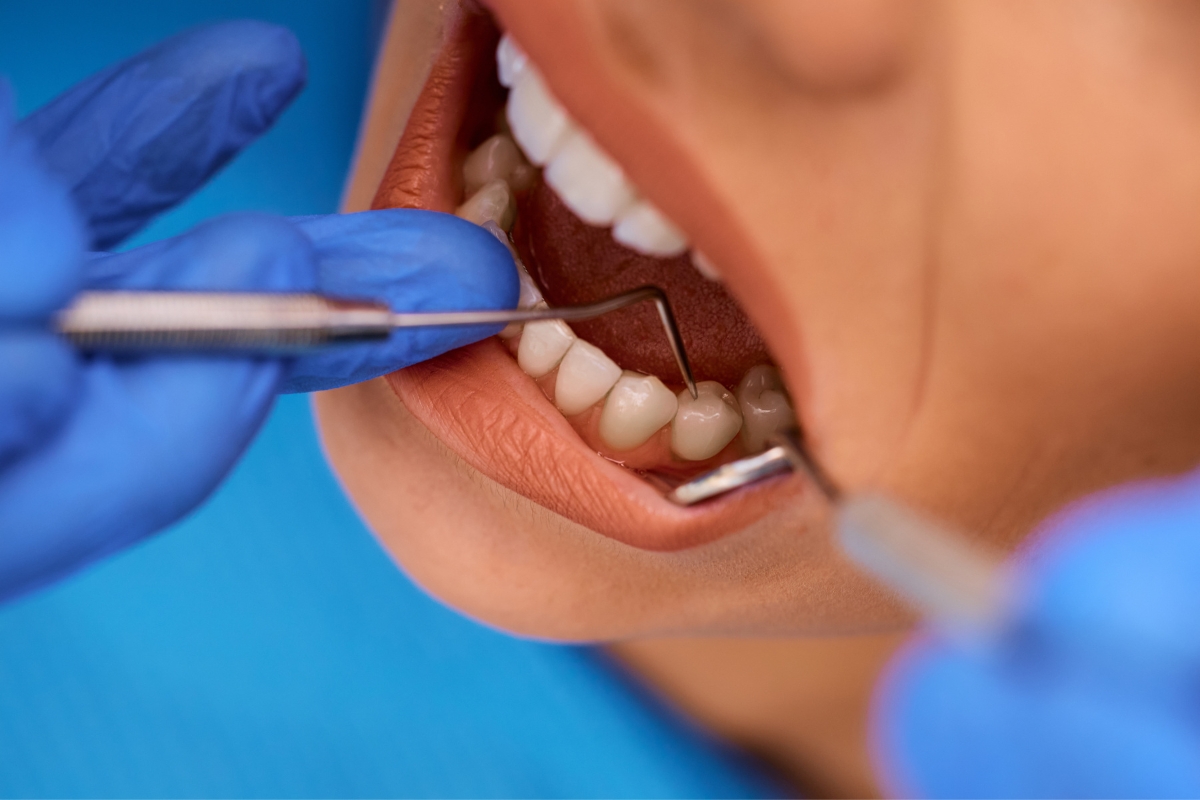
A periodontal examination can reveal information that you cannot get from brushing, flossing, or looking at your teeth yourself. Measurements around the teeth and dental X-rays, when appropriate, can help show whether there has been attachment or bone loss.
That information is important because treatment should match the actual condition—not simply the symptoms you happen to notice.
How Common Is It?
Periodontal disease is fairly widespread among U.S. adults.
CDC estimates based on national data from 2009–2014 found that about 42% of adults age 30 and older had periodontitis. About 8% had severe periodontitis.
Those figures do not tell us what will happen to any individual patient. They do, however, show that gum disease is common enough to deserve attention when something about your gums changes.
What Can Treatment Accomplish?
The right gum disease treatment depends on what your examination shows.
For gingivitis, removing plaque and tartar and improving daily cleaning may be enough to settle the inflammation.
When periodontitis is present, treatment may need to reach areas that a toothbrush cannot. Scaling and root planing is one nonsurgical approach used to clean affected root surfaces below the gumline. The American Dental Association identifies scaling and root planing as an initial nonsurgical treatment for chronic periodontitis.
Some patients need additional periodontal procedures if certain areas continue to have significant problems after initial treatment.
The objective is not simply to make your gums stop bleeding for a short time. Treating periodontal disease means getting the disease under control and creating conditions that can be maintained over the long term.
What Causes Gum Disease in the First Place?
Plaque plays a major role. It is a bacterial film that develops on teeth every day. When it remains in place, it can irritate the gums and eventually harden into tartar.
But plaque is not the only factor.
The causes of gum disease and a person’s risk can also involve tobacco use, diabetes, genetics, certain medications, hormonal changes, and other health factors. The CDC lists smoking and diabetes among factors associated with periodontitis.
That is why simply telling every patient to “brush better” can miss part of the picture.
When Does a Periodontist Make Sense?
A periodontist for gum disease can be especially helpful when there are signs of deeper periodontal involvement, such as recession, deep pockets, bone loss, or loose teeth.
If you are searching for a periodontist near me, Colorado Periodontal Associates provides periodontal-focused care for patients in Wheat Ridge and surrounding Colorado communities.
A specialist can assess the condition of your gums and explain whether you need nonsurgical treatment, periodontal maintenance, or another form of care.
What Can You Do Between Appointments?
There is no complicated trick behind gum disease prevention.
Brush twice a day. Clean between your teeth every day. Pay attention to areas that consistently collect food or plaque. If you use tobacco, consider getting support to stop. If you have diabetes, work with your healthcare team to manage it appropriately.
And do not make pain your deciding factor. A lack of pain does not necessarily mean your gums are healthy.
What Should You Do If You Are Concerned?
So, can gum disease be cured? Early gingivitis can generally be reversed. Periodontitis requires a different approach because some of the damage it causes cannot simply be undone. With appropriate care, however, the disease can be managed and further problems may be reduced.
If you are in Wheat Ridge, CO, and something about your gums has changed, Colorado Periodontal Associates can evaluate your periodontal health and explain what the findings mean. Schedule an appointment today.
Frequently Asked Questions
Can gum disease go away by itself?
Mild gingivitis can improve when the cause of the inflammation is addressed. Periodontitis is different and should be professionally evaluated.
Can lost bone from gum disease come back?
Bone that has been destroyed by periodontitis does not normally return on its own. In selected situations, periodontal procedures may be used to address certain types of bone defects.
Is bleeding when brushing normal?
Occasional bleeding can have different explanations, but recurring bleeding deserves attention. It is better to find out why it is happening than to simply work around it.
Do I need to see a periodontist?
Not everyone with gum inflammation needs specialist treatment. However, persistent periodontal symptoms or known bone loss may warrant an evaluation by a periodontist.