


When you smile, do you focus more on your gums than your teeth? For some people, showing extra gum tissue when they laugh or smile can make them feel self-conscious. You may find yourself covering your mouth in photos or holding back a full smile.
If that sounds familiar, there are options to consider. Gummy smile treatment can address the underlying reasons for excessive gum display and help create a smile that feels more balanced. The right approach depends on what is causing the gums to appear more prominent.
At Colorado Periodontal Associates, patients in Wheat Ridge, CO, can meet with a periodontist to better understand their smile and explore treatment options based on their individual needs.
What Is a Gummy Smile?
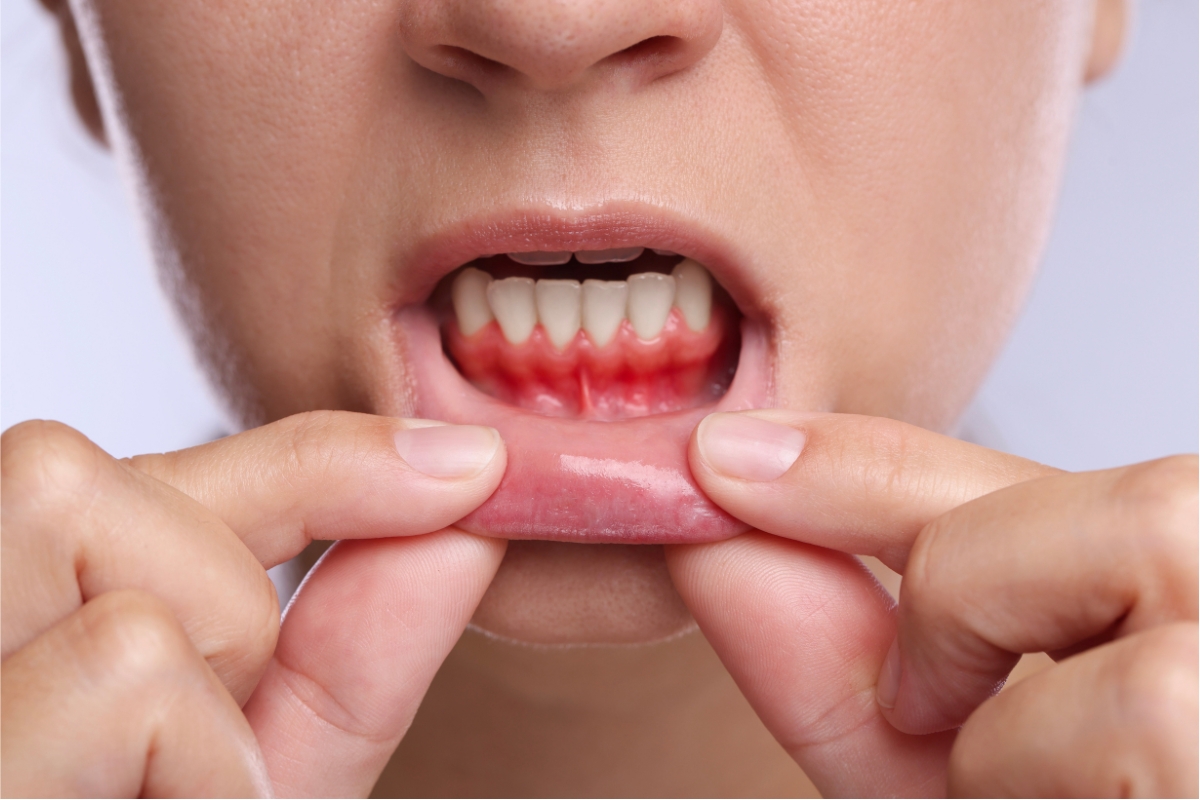
A gummy smile, sometimes called excessive gum display, describes a smile where a noticeable amount of gum tissue shows above the upper teeth.
There is no universal rule for how much gum tissue is “too much.” Some people naturally show more gums and are perfectly happy with their smile. For others, the appearance can affect their confidence.
In clinical discussions, around 2 to 3 millimeters of visible gum tissue is sometimes used as a reference point. Still, that number does not tell the whole story. The size and shape of your teeth, the position of your lips, and your facial proportions all influence how your smile looks.
That is why a personal evaluation with a periodontist is an important first step.
What Causes Excessive Gum Display?
Understanding the cause is essential when deciding how to fix a gummy smile. More visible gums can result from several factors.
Excess Gum Tissue
Sometimes the teeth look shorter because gum tissue covers more of the tooth surface than usual. The teeth may actually be a normal size, but the gumline hides part of them.
In these situations, a periodontist may recommend reshaping the gumline to expose more of the natural tooth structure.
Altered Tooth Eruption
As teeth develop, they normally emerge through the gums to a certain level. When this process does not occur as expected, additional gum tissue may remain over the teeth.
A periodontal evaluation can help determine whether this is contributing to the appearance of a gummy smile.
Lip Movement
For some people, the upper lip moves higher when they smile. This can expose more gum tissue, even when the teeth and gums are otherwise proportionate.
Jaw Position
The position of the upper jaw may also contribute to excessive gum display. More complex cases may require coordination between a periodontist and other specialists.
Gummy Smile Treatment Options
There is no single procedure that works for everyone. Effective gummy smile correction begins with identifying the cause and choosing an approach that fits your oral health and treatment goals.
Crown Lengthening
Crown lengthening is a common option when excess gum tissue makes teeth appear short. The procedure reshapes the gumline and, when necessary, the supporting tissue around the tooth to reveal more of the natural tooth structure.
For the right patient, crown lengthening can improve tooth-to-gum proportions while maintaining a healthy, stable gumline.
A periodontist carefully evaluates the area before recommending this treatment. The goal is not simply to remove gum tissue but to create a result that works with your smile and supports long-term periodontal health.
Cosmetic Gum Treatment
A cosmetic gum treatment may involve reshaping the gumline when the concern is primarily related to the amount or contour of visible gum tissue.
Small changes to the gumline can sometimes make a noticeable difference in how the teeth appear. However, treatment should always be based on the anatomy of your gums and the structures supporting your teeth.
A periodontist can determine whether gum reshaping is appropriate and explain what the procedure may involve.
Periodontal Treatment for Gummy Smile Concerns
In some cases, gum health should be addressed before cosmetic changes are considered. Swollen or enlarged gums can affect both appearance and oral health.
A personalized periodontal treatment for gummy smile concerns may involve improving gum health first and then evaluating whether additional cosmetic treatment would be beneficial.
This approach allows a periodontist to consider both the health and appearance of your smile rather than focusing on cosmetic changes alone.
Gummy Smile Surgery
The term gummy smile surgery can describe different procedures depending on the cause of the condition. Surgical treatment may involve crown lengthening, gum reshaping, or another procedure designed to improve the balance between the gums and teeth.
The type of treatment recommended should always be based on a detailed examination rather than appearance alone.
What Does the Data Tell Us?
Gummy smile treatment is not based on one measurement or a standard idea of a “perfect” smile. Periodontists consider several factors, including the amount of visible gum tissue, tooth length, gumline position, lip movement, and facial proportions.
Even a difference of a few millimeters can change how much of the teeth are visible. That is why careful measurements can be useful when planning gummy smile correction.
The same amount of gum display can also have different causes. For example, two people may show a similar amount of gum tissue when smiling, but one may have excess gum coverage while the other has a highly mobile upper lip.
The takeaway is simple: treatment works best when it addresses the cause rather than just the appearance.
Why See a Periodontist?
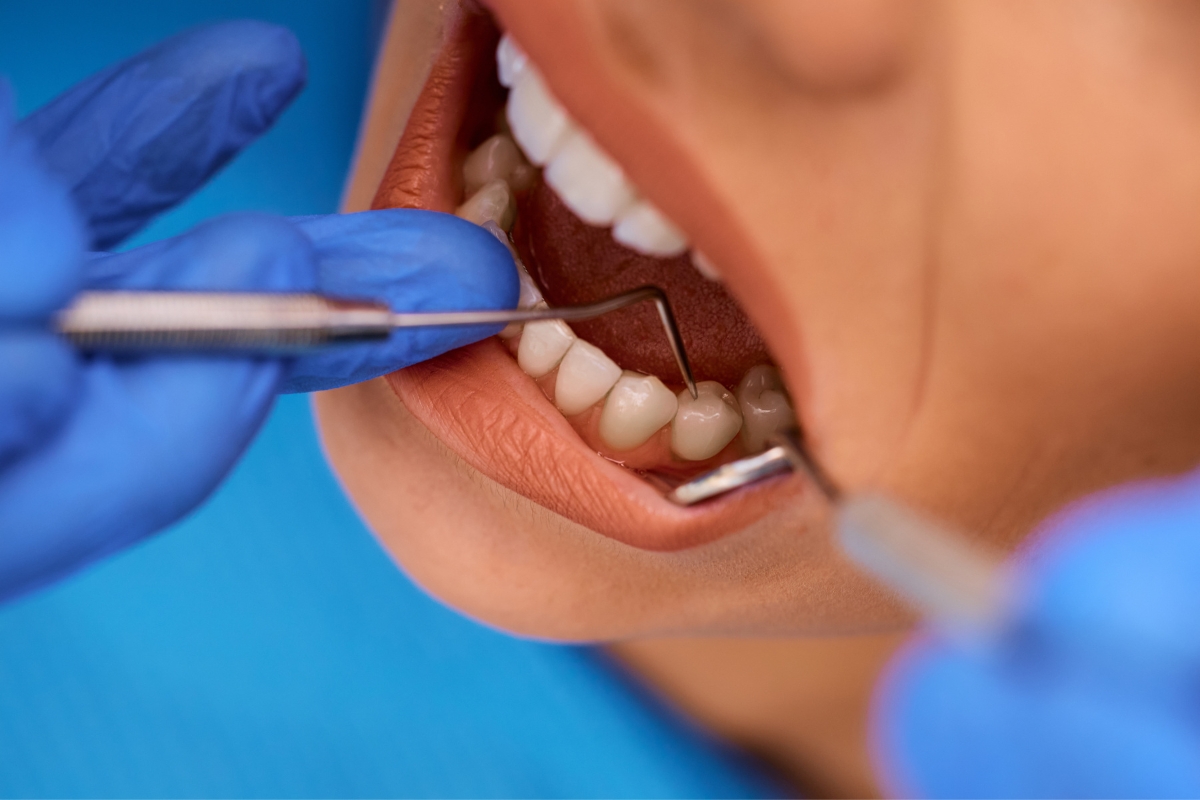
A periodontist focuses on the gums and the structures that support your teeth. This makes periodontal care particularly relevant when a gummy smile is connected to the gumline, excess tissue, or the supporting structures around the teeth.
During an evaluation, a periodontist can look at the health and position of your gums, the visible length of your teeth, and how these features work together when you smile.
A Balanced Smile Starts With the Right Evaluation
If you are bothered by excessive gum display, you do not have to guess which solution may work for you. From crown lengthening to other forms of cosmetic gum treatment, the right option depends on the reason behind your gummy smile.
At Colorado Periodontal Associates, a periodontist can evaluate your gums, teeth, and overall smile to help determine an appropriate path forward. For patients in Wheat Ridge, CO, personalized periodontal care can make it easier to understand the available options and choose treatment with confidence.
Schedule an appointment to discuss your concerns and find out whether gummy smile treatment may be right for you.
FAQs About Gummy Smile Treatment
Is gummy smile treatment right for everyone?
Not everyone with visible gum tissue needs treatment. If you are unhappy with the appearance of your smile, a consultation can help determine whether treatment is appropriate.
Is crown lengthening permanent?
Crown lengthening creates lasting changes to the gumline and, when necessary, the supporting structures around the teeth. Your periodontist can explain what results you can reasonably expect.
How do I know how to fix a gummy smile?
The best treatment depends on the cause. A professional evaluation can determine whether the concern is related to excess gum tissue, tooth position, lip movement, or another factor.
How long does recovery take?
Recovery depends on the procedure and the extent of treatment. Your periodontist will provide personalized aftercare instructions and explain what to expect during healing.
Can gum health affect the appearance of my smile?
Yes. Swelling or enlargement of the gums can change the way your teeth and smile look. Addressing underlying periodontal concerns may be an important part of treatment.