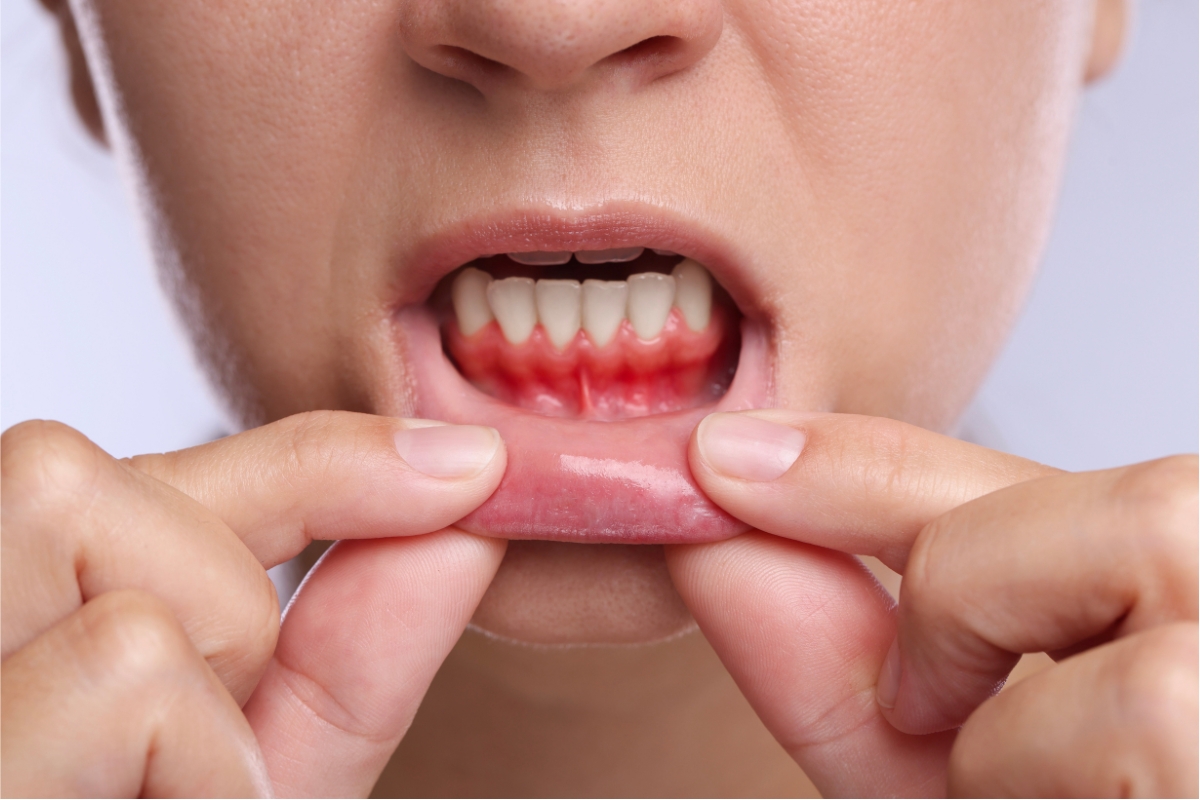


Have you recently noticed that your teeth look a little longer than they used to? Maybe your gums seem to be pulling away from your teeth, or you have started feeling sensitivity when eating something cold or brushing. These can be signs of gum recession, a common periodontal concern that should not be ignored.
Gum recession happens when the gum tissue gradually moves away from the tooth, exposing more of the tooth or even part of its root. Since the process can happen slowly, many people do not notice it until the change becomes more obvious. Over time, untreated recession may contribute to tooth sensitivity, root damage, difficulty keeping exposed areas clean, and an increased risk of tooth loss.
What Causes Gums to Shrink?
Gum recession usually develops over time rather than happening suddenly. Several factors can contribute to the gradual loss of gum tissue, including the following.
Gum Disease
Periodontal disease is one of the most important causes of gum recession. Harmful bacteria in plaque can trigger inflammation and gradually damage the gums and supporting structures around the teeth. As the disease progresses, the gum tissue can pull away from the teeth and form spaces where bacteria can collect.
Advanced periodontal disease can also affect the bone that supports your teeth. Without appropriate treatment, this damage may eventually contribute to loose teeth or tooth loss.
Brushing Too Hard
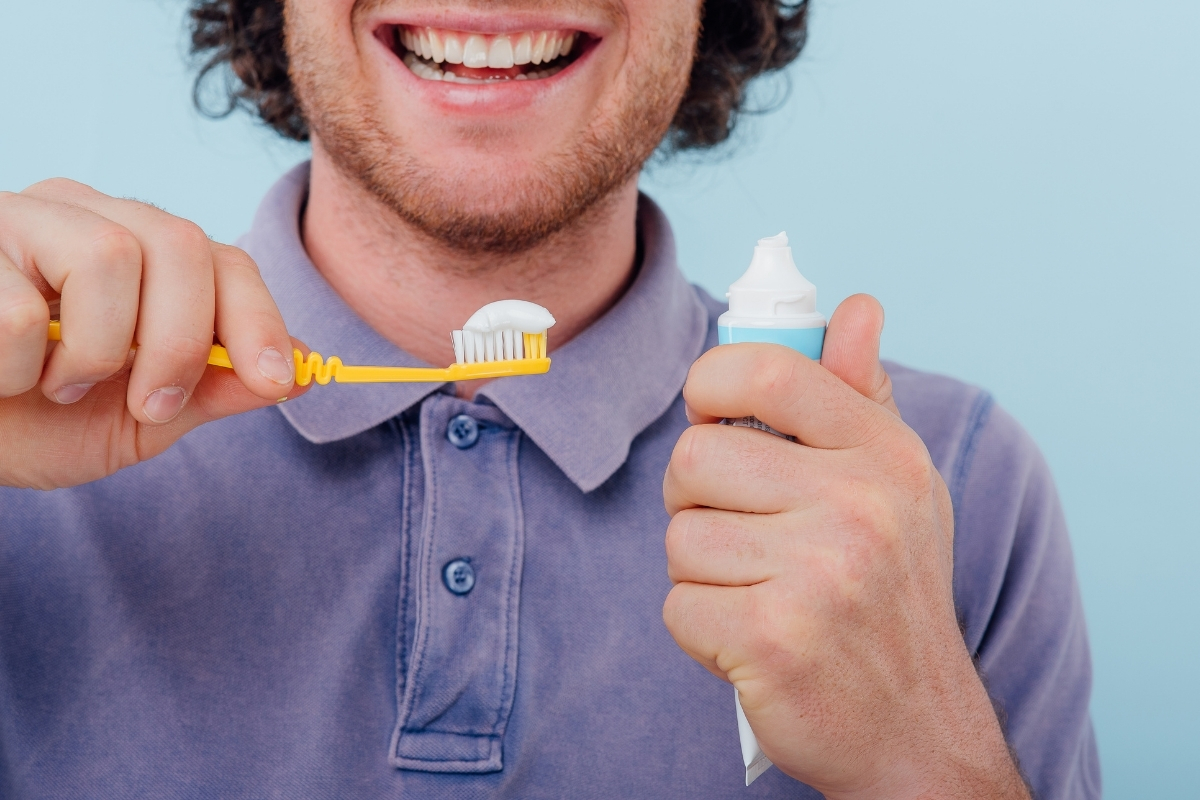
Brushing your teeth is essential for maintaining healthy gums, but more pressure does not mean better cleaning. Scrubbing aggressively, particularly with a firm or hard-bristled toothbrush, can irritate the gum tissue and contribute to recession.
A softer approach is generally better. Use a soft-bristled toothbrush and gentle movements rather than pressing forcefully against your teeth and gums. If you are unsure whether your brushing technique could be affecting your gums, ask your dental professional to demonstrate a safer method.
Teeth Grinding and Clenching
Do you often wake up with a sore jaw, facial discomfort, or a headache? Nighttime teeth grinding or clenching could be contributing to the problem. Repeated pressure places excessive force on your teeth and the tissues that support them.
If grinding is affecting your oral health, a dentist or periodontist may recommend a custom night guard. Wearing one while sleeping can help reduce the damaging effects of repeated clenching and grinding.
Poor Oral Hygiene
Skipping regular brushing and flossing gives plaque more opportunities to accumulate along the gumline. Over time, this buildup can irritate the gums and cause gingivitis, which is an early form of gum disease.
When gingivitis is not addressed, it can develop into periodontitis. This more advanced infection can damage the gums and supporting bone and may eventually contribute to gum recession and tooth loss.
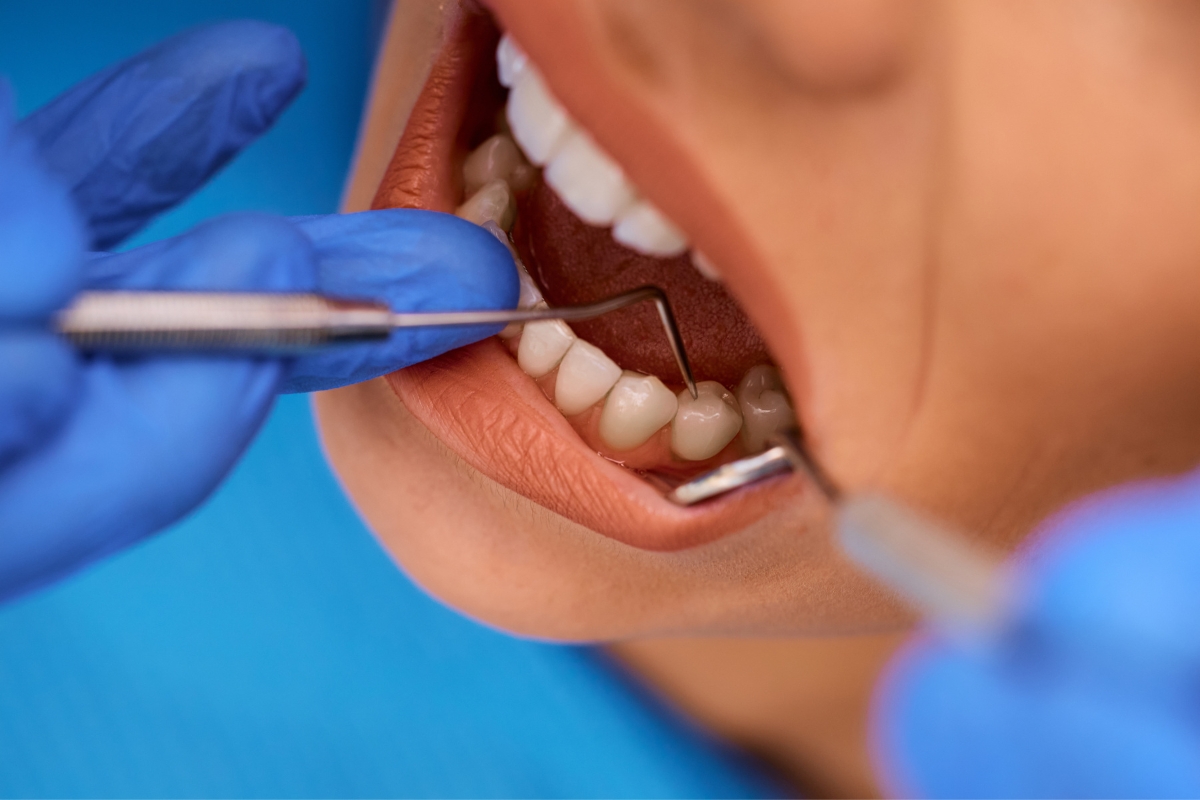
If you are noticing changes in your gumline and searching for a periodontist near me, it is worth arranging an evaluation rather than waiting for the recession to become more noticeable. A periodontal professional can examine your gums, identify contributing factors, and determine whether gum disease or another issue is involved.
Genetics and Naturally Thin Gums
Your family history can also play a role in your gum health. Some people naturally have thinner gum tissue or may be more susceptible to periodontal disease because of genetic factors. This means gum recession can sometimes develop even when someone is making an effort to maintain good oral hygiene.
Having a higher risk does not mean recession is unavoidable. Regular dental and periodontal examinations can help identify changes early and make it easier to address potential problems before they become more serious.
Can Gum Recession Be Prevented?
The best approach depends on what is causing the recession. You cannot make naturally lost gum tissue grow back simply by changing your brushing habits, but you can take steps to protect the tissue that remains and prevent additional damage.
Treatment may include:
Professional deep cleaning: When gum disease is contributing to recession, periodontal cleaning can remove plaque and hardened deposits from areas that are difficult to clean at home.
Antibiotic treatment: In certain situations, medication may be used as part of a periodontal treatment plan to help control harmful bacteria and infection.
Gum grafting: When recession has resulted in significant loss of gum tissue, a soft-tissue graft may be recommended. This procedure can cover exposed areas and add protective tissue around affected teeth.
Night guard: If grinding or clenching is putting excessive pressure on your teeth and supporting tissues, a custom night guard may help reduce further damage.
When Should You See a Periodontist?
Do not wait for gum recession to become severe before having it evaluated. Signs such as longer-looking teeth, exposed roots, bleeding or swollen gums, persistent sensitivity, or changes in the gumline deserve professional attention.
Because gum tissue does not simply grow back on its own, identifying the cause early is important. A periodontal evaluation can help determine whether gum disease, brushing habits, grinding, genetics, or another factor is contributing to the change.
The good news is that gum recession can often be managed when it is addressed promptly. Protecting your gums today can help preserve the supporting tissues around your teeth and maintain your oral health for years to come.
Schedule an appointment to have your gums evaluated and learn about the right treatment options for your periodontal health.
Frequently Asked Questions
Can receding gums grow back naturally?
No. Once gum tissue has been lost, it generally does not grow back on its own. However, treatment can help protect the remaining tissue, control the underlying cause, and in some cases restore coverage through procedures such as gum grafting.
Is gum recession always caused by gum disease?
No. Periodontal disease is a common cause, but recession can also be associated with aggressive brushing, teeth grinding, naturally thin gums, genetics, and other factors. A periodontal examination can help determine the underlying cause.
Does brushing too hard cause gum recession?
Brushing with excessive pressure, especially with a hard-bristled toothbrush, can irritate and wear down gum tissue over time. A soft-bristled toothbrush and gentle brushing technique are generally better choices for protecting the gumline.
Can teeth grinding make receding gums worse?
Repeated clenching and grinding can place significant pressure on the teeth and their supporting structures. If you grind your teeth regularly, a dental professional may recommend a night guard to help protect your teeth and reduce excessive forces.
Is gum recession serious?
It can become a serious concern when left untreated, particularly when periodontal disease is involved. Recession may expose sensitive tooth roots and can occur alongside damage to the tissues and bone supporting the teeth.
How can I protect my gums from further recession?
Maintain consistent brushing and flossing, use a soft-bristled toothbrush, avoid aggressive brushing, attend regular dental checkups, and address signs of gum disease or teeth grinding promptly. Professional periodontal care may also be recommended based on the cause.