

You may not notice gum recession right away. Sometimes the first clue is a sudden sting when you sip iced water. Other times, you catch your smile in the mirror and realize that a tooth looks a little longer than it did before.
Naturally, many people start with the easiest change they can make: buying a different toothpaste. But when it comes to finding the best toothpaste for gum recession, the answer is not simply about picking the product with the most claims on the box.
The right toothpaste can help protect exposed areas of your teeth and make sensitivity easier to manage. What it cannot do is rebuild gum tissue that has already been lost. Understanding that difference can help you make better choices about your daily routine and know when it may be time to seek professional care.
Start With Why Your Gums Are Receding
Gum recession is not a single-condition problem. It can happen for several reasons, and sometimes more than one factor is involved.
For example, some people have spent years brushing with more force than necessary. Others may have periodontal disease that has affected the tissues supporting their teeth. Tooth position, clenching, genetics, and naturally thin gum tissue can also play a role.
That is why two people with receding gums may need very different approaches.
If the recession is caused by an underlying periodontal issue, changing your toothpaste alone will not address the source of the problem. A periodontal examination can help identify what is contributing to the changes in your gumline.
So, What Should You Look for in a Toothpaste?
Rather than searching for a miracle product, focus on ingredients that address the problems commonly associated with gum recession.
Fluoride Can Help Protect Vulnerable Areas
When gums pull away from the teeth, areas that were previously covered can become exposed. Those surfaces may be more susceptible to decay than enamel-covered portions of the tooth.
A fluoride toothpaste can help strengthen and protect the tooth from cavities. This makes fluoride an important feature to consider when choosing a toothpaste for receding gums, particularly if root surfaces are exposed.
Sensitivity Relief May Make Daily Life More Comfortable
One of the more frustrating effects of recession is sensitivity. A cold drink should not have to come with a sharp jolt of discomfort.
A desensitizing toothpaste or toothpaste for sensitive teeth may help reduce sensitivity from gum recession when used consistently. These products are designed to make the exposed areas of the teeth less reactive to temperature changes and certain foods.
Results are not always immediate. It is usually better to give one suitable product time to work rather than changing toothpaste every few days.
Is There a Toothpaste That Can Regrow Gums?
No. This is an important distinction.
A toothpaste may support gum health, help manage sensitivity, and protect teeth from cavities, but it cannot replace gum tissue that has receded.
That does not make toothpaste unimportant. Think of it as one part of a larger plan for dental care for receding gums.
If plaque buildup or periodontal disease is involved, professional treatment may be needed. Depending on the situation, gum recession treatment may focus on controlling disease, protecting exposed roots, changing contributing habits, or considering procedures that address lost gum tissue.
The goal is not simply to find a better toothpaste. It is to understand why the recession happened and reduce the chances of it progressing.
Your Toothbrush Technique Matters More Than You May Think
It is possible to have a good toothpaste and still irritate your gums with the wrong brushing habits.
Many people were taught, directly or indirectly, that a vigorous scrub means a cleaner mouth. In reality, brushing harder does not necessarily remove more plaque.
Try a Softer Approach
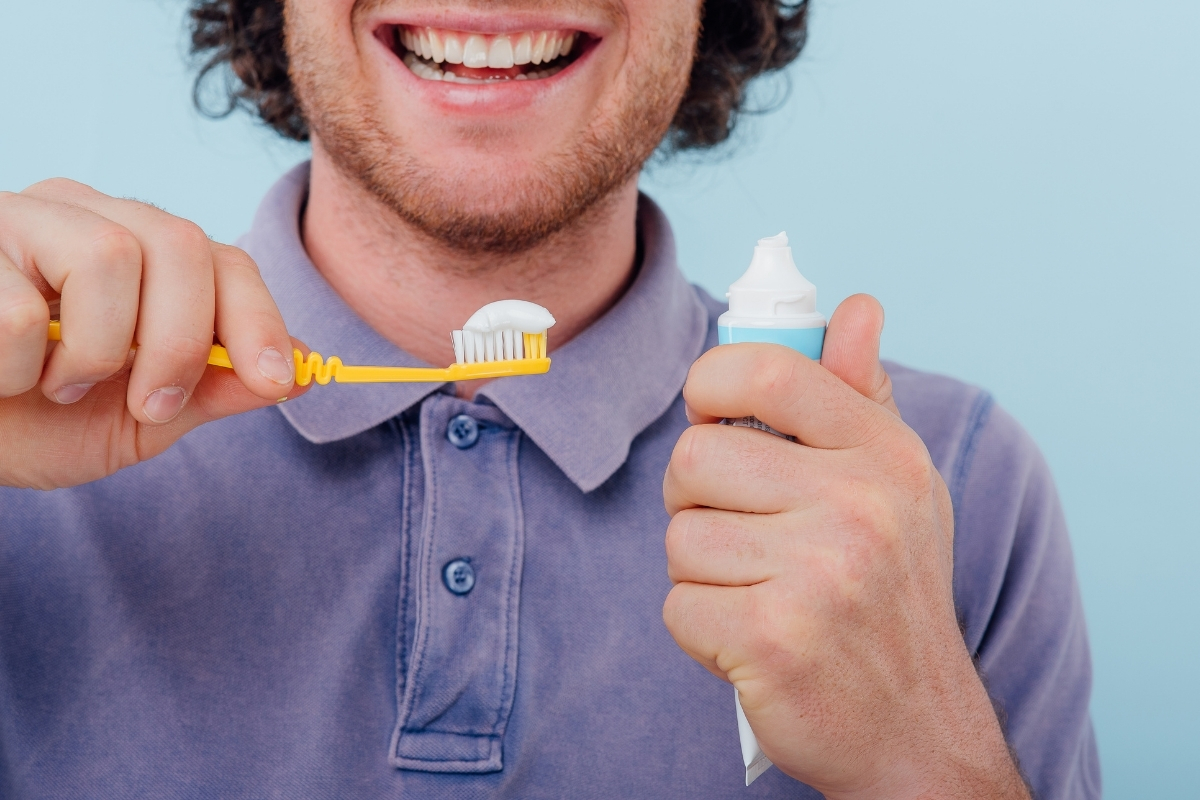
For brushing techniques for gum recession, start with a soft-bristled toothbrush. Use gentle pressure and small movements instead of forceful side-to-side scrubbing.
If you are unsure how much pressure you use, pay attention to how quickly your toothbrush bristles become flattened. Rapidly worn bristles can be a sign that you are pressing too hard.
An electric toothbrush with a pressure alert may also help some people become more aware of their brushing habits.
Keep the Routine Consistent
Good oral hygiene for receding gums is not complicated, but consistency matters. Brush twice a day, clean between your teeth daily, and avoid treating bleeding or persistent sensitivity as something to ignore.
These habits may help prevent further gum recession, particularly when combined with professional recommendations based on your individual needs.
When Is It Time to See a Periodontist?
Gum recession can be easy to dismiss because it often develops slowly. However, waiting until sensitivity becomes severe or the recession becomes more noticeable may allow an underlying issue to continue.
Consider having your gums evaluated if you notice:
- Teeth that appear longer than before
- New or worsening sensitivity
- Bleeding during brushing or flossing
- Persistent redness or swelling
- A noticeable change in your gumline
- Loose or shifting teeth
- Ongoing bad breath
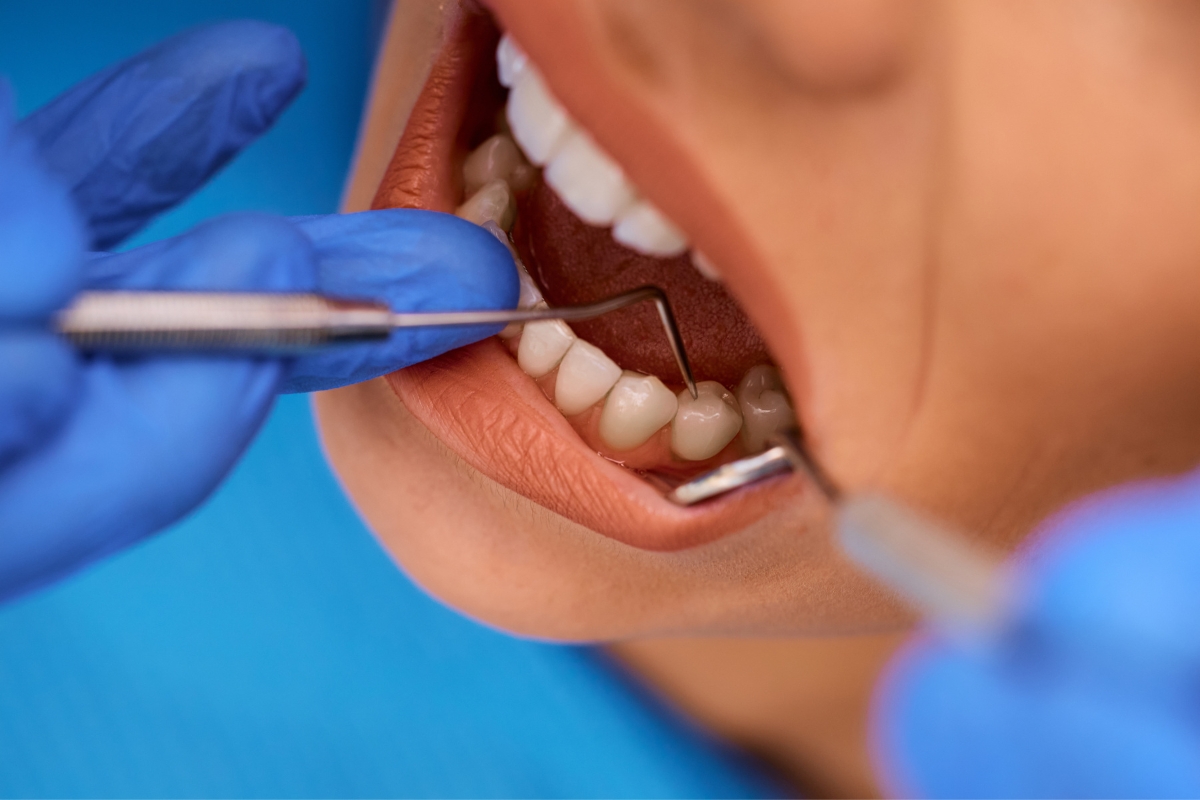
A periodontist in Wheat Ridge, CO can evaluate your gum tissue, measure the extent of recession, and look for signs of periodontal disease or other contributing factors.
At Colorado Periodontal Associates, the focus is on understanding the condition of your gums and recommending care based on what is actually causing the problem. For some patients, improving home care is part of the answer. For others, additional periodontal treatment may be appropriate.
The Takeaway
The best toothpaste for gum recession should support the needs of your teeth rather than promise something toothpaste cannot deliver. Fluoride can help protect vulnerable tooth surfaces, while a desensitizing formula may make eating and drinking more comfortable.
But if your gums are continuing to pull away from your teeth, the toothpaste aisle is only one part of the solution. Paying attention to your brushing habits, maintaining consistent oral hygiene, and identifying the reason behind the recession can make a meaningful difference.
If you have noticed changes in your gumline or increasing sensitivity, Colorado Periodontal Associates can help you understand what may be happening and discuss appropriate next steps for your periodontal health. Schedule an appointment today.
Frequently Asked Questions
What is the best toothpaste for gum recession?
There is no universal brand that is best for everyone. A fluoride toothpaste may help protect exposed tooth surfaces, while a sensitivity formula may be useful if recession is causing discomfort.
Can sensitive toothpaste stop gum recession?
Sensitive toothpaste can help manage discomfort, but it does not stop or reverse gum recession. The underlying cause must be identified to determine how to protect your gum health.
Should I avoid whitening toothpaste?
Some whitening formulas may feel uncomfortable if you already have sensitive, exposed tooth surfaces. A periodontal professional can help you choose a product that fits your needs.
Can aggressive brushing make recession worse?
It can contribute to gumline irritation and recession. Using a soft brush and lighter pressure may help reduce unnecessary trauma.
Can receding gums grow back on their own?
Generally, lost gum tissue does not naturally grow back. Treatment options depend on the cause and severity of the recession.