


The teenage years come with plenty of changes. Between school, sports, social activities, braces, and growing independence, oral hygiene may not always be a top priority. However, this is also an important stage for building habits that can protect a person’s smile well into adulthood.
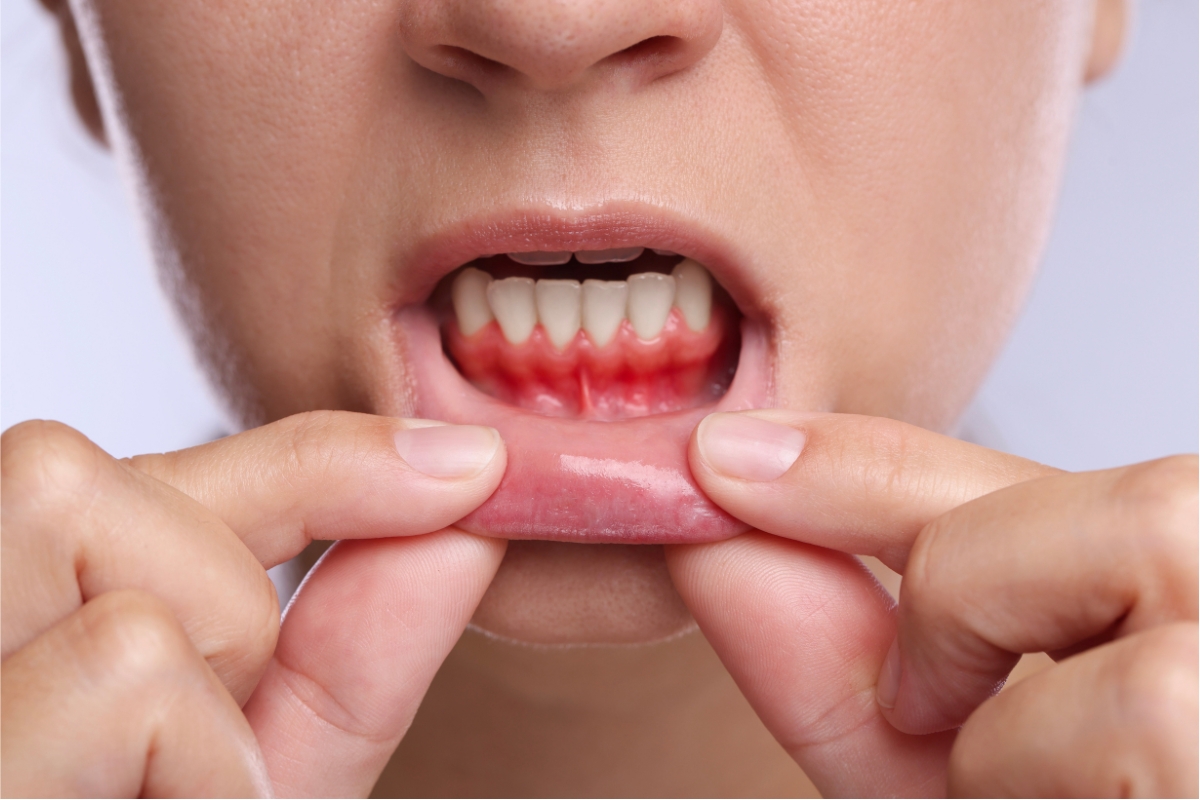
Gum disease in adolescents can begin with subtle symptoms, such as bleeding while brushing or gums that look red and swollen. These signs are easy to overlook, especially when there is little or no pain. Paying attention early can make a meaningful difference in long-term oral health.
Fortunately, preventing gum problems does not have to be complicated. Consistent home care, healthy daily habits, and timely professional attention can all support healthier gums.
Why Gum Disease Can Affect Teenagers
Many people associate gum disease with adults, but teenagers can develop gum inflammation as well. Hormonal changes during puberty may make the gums more sensitive to plaque, the sticky layer of bacteria that naturally forms on teeth.
When plaque is not removed effectively, it can build up around the gumline and trigger inflammation. Over time, this may lead to bleeding, tenderness, swelling, and other changes.
Several factors may increase the risk of teenage gum disease, including:
- Inconsistent brushing and flossing
- Difficulty cleaning around braces or orthodontic appliances
- Frequent sugary snacks and drinks
- Tobacco or vaping
- Dry mouth
- Certain medications or health conditions
- Skipping routine oral health visits
Not every teenager with bleeding gums has a serious periodontal condition. Still, recurring symptoms should not be ignored.
Signs of Gum Disease in Teens to Watch For
One challenge with gum problems is that they may not cause significant discomfort in the beginning. A teenager may continue with their normal routine without realizing that their gums are becoming inflamed.
Some common signs of gum disease in teens include:
- Bleeding during brushing or flossing
- Red or swollen gums
- Tenderness along the gumline
- Persistent bad breath
- An unpleasant taste that does not go away
- Gum recession or gums that appear to be pulling away from the teeth
- Changes in tooth sensitivity
Bad breath in teenagers can have several causes, including food choices, dry mouth, and inadequate brushing. However, persistent bad breath may also be associated with bacteria and gum inflammation.
If these symptoms continue despite good oral hygiene, it may be time for a professional evaluation.
Preventing Gum Disease in Teenagers Begins With Daily Habits
The good news is that preventing gum disease in teenagers often starts with small, consistent actions at home.
Brush Thoroughly, Not Just Quickly
Brushing twice a day is important, but how a person brushes matters too. Teenagers should take enough time to clean all tooth surfaces and gently brush along the gumline.
A rushed brushing routine can leave plaque behind, particularly in areas that are harder to reach.
Using fluoride toothpaste and brushing for about two minutes can help make daily oral care more effective.
Do Not Skip Cleaning Between the Teeth
A toothbrush cannot reach every space between the teeth. Daily flossing or another recommended method of interdental cleaning can help remove plaque from these areas.
This step can be particularly important for teenagers with braces. Food particles and plaque can become trapped around brackets and wires, making dental hygiene for adolescents more challenging.
Parents may need to remind younger teenagers that brushing alone is not always enough to keep the gums clean.
Pay Attention to Food and Drink Choices
Diet can also play a role in oral health. Frequent sugary snacks and beverages can encourage bacterial activity in the mouth.
Water is generally a better choice throughout the day, especially after meals or snacks. A balanced diet that supports overall health can also benefit the teeth and gums.
The goal is not to eliminate every treat. Instead, it is helpful to avoid constant snacking and repeated exposure to sugar throughout the day.
Why Early Attention Matters
Gum inflammation is often easier to address when it is identified early. Waiting for pain is not always a good strategy because gum disease may progress without causing obvious discomfort.
Early gum disease treatment may involve improving home care, receiving a professional cleaning, or addressing factors that are contributing to inflammation. The appropriate approach depends on the individual’s oral health needs.
This is why bleeding gums should not simply be accepted as normal. They can be a sign that something needs more attention.
When Should a Teenager See a Periodontal Specialist?
Routine oral care plays an important role in prevention, but some symptoms may require additional attention. Families searching for a periodontist near me may be concerned about persistent bleeding, gum swelling, recession, or other changes that have not improved.
A periodontal evaluation can provide a closer look at the gums and the structures that support the teeth. Identifying a concern early may help prevent more extensive problems later.
At Colorado Periodontal Associates, families in Wheat Ridge, CO, and nearby communities can seek care focused on gum health and periodontal concerns.
Supporting Better Adolescent Gum Health
Good adolescent gum health is not about having a perfect oral hygiene routine every single day. Teenagers are busy, and occasional missed flossing happens. What matters most is creating consistent habits and responding when warning signs appear.
A simple approach can include:
- Brushing twice a day for about two minutes
- Cleaning between the teeth daily
- Drinking water regularly
- Limiting frequent sugary snacks and drinks
- Keeping up with recommended oral health visits
- Paying attention to bleeding, swelling, or persistent bad breath
These habits may seem basic, but they provide a practical foundation for healthier gums.
Protecting Gum Health During the Teenage Years
Gum disease in adolescents can sometimes begin quietly, but small changes should still receive attention. Healthy habits developed during the teenage years can support a healthier smile in the years ahead.
Consistent brushing, cleaning between the teeth, and early attention to symptoms are important steps toward reducing the risk of teenage gum disease. If you notice ongoing bleeding, swelling, or other changes, do not assume they will simply go away on their own.
For families in Wheat Ridge, Colorado Periodontal Associates can provide guidance when gum health concerns need a closer look.
Schedule an appointment to discuss your teenager’s gum health and address concerns early.
FAQs About Gum Disease in Adolescents
Can teenagers develop gum disease?
Yes. Teenagers can develop gingivitis and other periodontal concerns. Hormonal changes, plaque buildup, poor oral hygiene, and other factors may contribute to gum inflammation.
Are bleeding gums normal during the teenage years?
No. Bleeding gums should not be ignored. They may indicate inflammation or another issue that should be evaluated.
What causes bad breath in teenagers?
Bad breath can result from food, dry mouth, bacteria, inadequate oral hygiene, or gum inflammation. Persistent bad breath may warrant professional attention.
How can parents help prevent gum disease?
Encouraging consistent brushing, daily cleaning between the teeth, healthy food choices, and regular oral health visits can help support healthier gums.
When should I look for a periodontist near me?
Consider a periodontal evaluation if your teenager has persistent bleeding, swollen gums, gum recession, or symptoms that do not improve with consistent oral hygiene.