



Dental implants have transformed modern dentistry, giving countless people the confidence to smile, speak, and eat comfortably again. They’re designed to be long-lasting, but like natural teeth, they still require proper care. While implants have a high success rate—around 95% according to clinical studies—some patients wonder: Can dental implants get infected years after placement? The short answer is yes, although it’s uncommon. Understanding why this happens and how to prevent it can help preserve your smile for decades.
Why Do Dental Implants Get Infected?
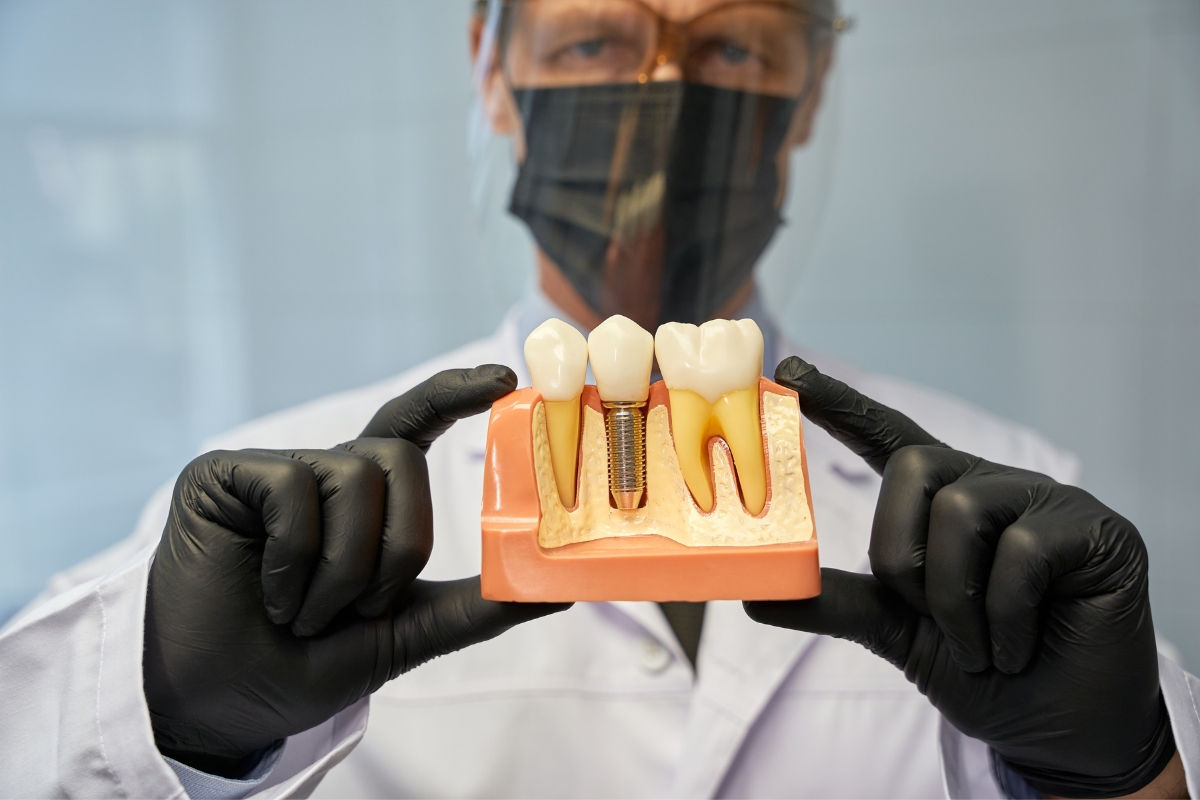
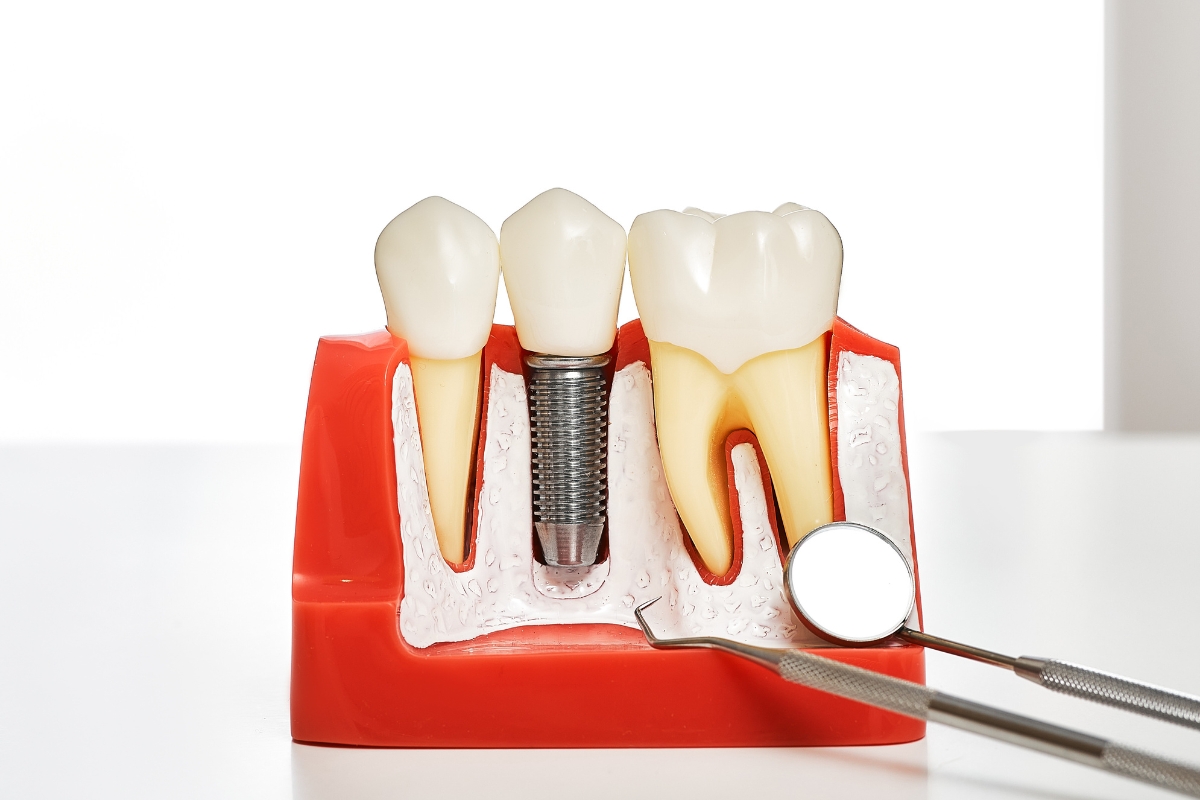
Dental implants can get infected due to a condition called peri-implantitis—an inflammation of the gum and bone around the implant. This is similar to gum disease (periodontitis) but affects the tissues surrounding an implant. It often develops slowly, sometimes years after the implant surgery.
The infection usually begins when bacteria accumulate at the gumline, causing the surrounding tissue to become inflamed. If untreated, this can lead to bone loss around the implant and eventually implant failure.
Factors that increase the risk include:
- Poor oral hygiene and plaque buildup
- Smoking or tobacco use
- Uncontrolled diabetes
- Weak immune system
- Lack of regular dental checkups
Even if your dental implant feels secure, it’s important to remember that peri-implantitis inflammation can progress silently. Early detection by an implant dentist in Wheat Ridge can make all the difference in saving your implant.
Signs That an Implant Might Be Infected
Spotting early warning signs is crucial. An implant infection can develop slowly, so paying attention to subtle changes helps prevent serious complications. Some symptoms include:
- Red, swollen, or bleeding gums around the implant
- Persistent bad breath or unpleasant taste
- Discomfort when chewing
- Pus or drainage near the implant site
- Gum recession revealing parts of the implant
- Mobility or loosening of the implant
If you notice any of these signs, it’s essential to schedule an appointment with your dental provider immediately.
How Long After Surgery Can Infection Occur?
Most infections develop within the first few months following surgery. However, late implant infections—those occurring several years later—are also possible. These delayed cases are typically linked to poor long-term maintenance, undiagnosed gum disease, or chronic inflammation.
A study published in the Journal of Clinical Periodontology found that peri-implantitis affects up to 20% of dental implants within 10 years. This shows that while implants are durable, long-term care is non-negotiable.
How an Implant Dentist in Wheat Ridge Can Help
An experienced implant dentist in Wheat Ridge can diagnose peri-implantitis early and design a treatment plan to manage or reverse the infection. Depending on the severity, treatment options may include:
- Professional cleaning: Deep cleaning around the implant to remove plaque and bacteria.
- Antibiotic therapy: Reducing bacterial infection through local or systemic antibiotics.
- Laser treatment: Targeting and disinfecting the infected area without damaging healthy tissue.
- Surgical intervention: If bone loss occurs, procedures like bone grafting may help restore lost tissue.
Your dentist will also provide personalized advice for infection prevention and routine maintenance.
Infection Prevention and Long-Term Care Tips
Maintaining your dental implants isn’t complicated, but it requires consistency. Here are a few habits that can keep your implants infection-free:
Prioritize Daily Cleaning
Brush twice a day using a soft-bristled toothbrush and non-abrasive toothpaste. Use floss or an interdental brush to clean between the implant and gums.
Attend Regular Dental Checkups
Your implant dentist should examine your implants at least twice a year. Regular X-rays help detect early signs of peri-implantitis inflammation.
Quit Smoking
Smoking reduces blood flow to the gums, increasing your risk of infection and implant failure.
Maintain a Healthy Diet
A balanced diet rich in vitamins and minerals supports bone and gum health, making your implants more resilient.
Manage Health Conditions
If you have diabetes or other chronic conditions, keeping them under control reduces the risk of long-term implant complications.
Follow Professional Advice
Always follow your dentist’s cleaning instructions and attend scheduled maintenance visits. These simple steps are key to long-term care and implant success.
What the Research Says
According to studies cited by the American Dental Association, the longevity of dental implants depends heavily on proper maintenance and overall oral hygiene. Patients who keep up with regular professional cleanings and follow home-care routines have significantly lower risks of developing infections, even decades after implant placement.
This reinforces the idea that implant success isn’t just about surgery—it’s about continuous care.
FAQs About Dental Implant Infections
Can an implant infection spread to other parts of the mouth?
Yes. If left untreated, bacteria from a dental implant infection can spread to neighboring gums, teeth, or bone tissue.
Is peri-implantitis painful?
Not always. Some patients may only experience mild discomfort or swelling, making routine dental exams crucial for early detection.
Can an infected implant be saved?
In many cases, yes. If caught early, treatments such as deep cleaning, antibiotics, or laser therapy can stop the infection and save the implant.
What should I do if I suspect an infection?
Contact your implant dentist immediately. Avoid self-treating or ignoring the issue, as infections can progress quickly.
Protecting Your Smile for the Long Term
While dental implants are built to last, they’re not completely immune to infection. By maintaining excellent oral hygiene, visiting your dentist regularly, and addressing any discomfort early, you can keep your implants healthy for years to come.
Whether you’re seeing an implant dentist in Wheat Ridge or a periodontist, your ongoing care makes all the difference in protecting your smile and investment.