




Waking up with a tight jaw or a dull headache can feel unsettling—especially if you’ve recently invested in restoring your smile. Many people in Wheat Ridge quietly deal with teeth grinding, often without realizing how much pressure they place on their teeth at night. When dental implants are involved, those worries can feel even heavier. This blog breaks everything down in a calm, clear way so you feel informed, supported, and confident in protecting your smile.
Before we go deeper, it’s important to understand that bruxism—the unconscious act of clenching or grinding—creates force levels far higher than normal chewing. Studies show that nighttime clenching can generate up to 250 pounds of force, which is significantly more than what implants, natural teeth, or restorations typically endure. That level of pressure is why patients often ask whether grinding can damage or loosen their implants.
Understanding the Relationship Between Bruxism and Implants
Bruxism isn’t uncommon in communities like Wheat Ridge, where busy work schedules and daily stress often show up physically. While grinding is not always a reason to avoid implants, it is something your periodontist evaluates carefully because long-term grinding may increase implant risks such as screw loosening, implant overload, or premature wear.
In the early stages of healing, implants are in the process of bonding with the jawbone—a phase called osseointegration. Excess pressure during this time can interrupt that process, making early protection essential.
Many patients searching for dental implants Wheat Ridge want reassurance that their daily habits—or unconscious habits like grinding—won’t interfere with treatment success. The good news: With guidance from a skilled periodontist and the right preventive steps, you can protect your implant investment for years.
Can Grinding Actually Damage Dental Implants?
The short answer: Yes, grinding or clenching can damage implants, but the severity depends on when and how frequently the grinding occurs. Let’s look at how grinding affects each stage.
During Healing (Higher Risk)
Right after the implant is placed, stability is essential. Frequent grinding can delay integration or, in rare cases, cause micro-movements that disrupt healing. Medical research suggests that uncontrolled pressure during osseointegration can reduce early-stage implant stability.
After Full Healing (Moderate Risk)
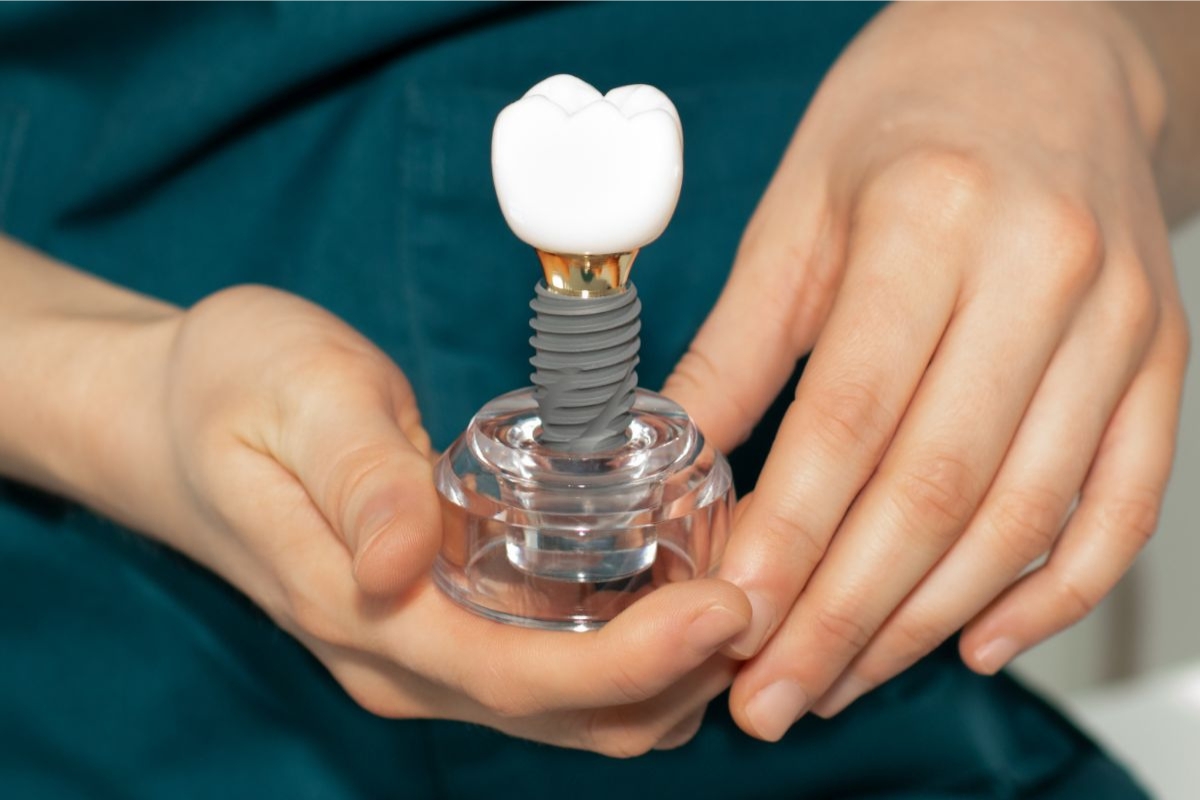
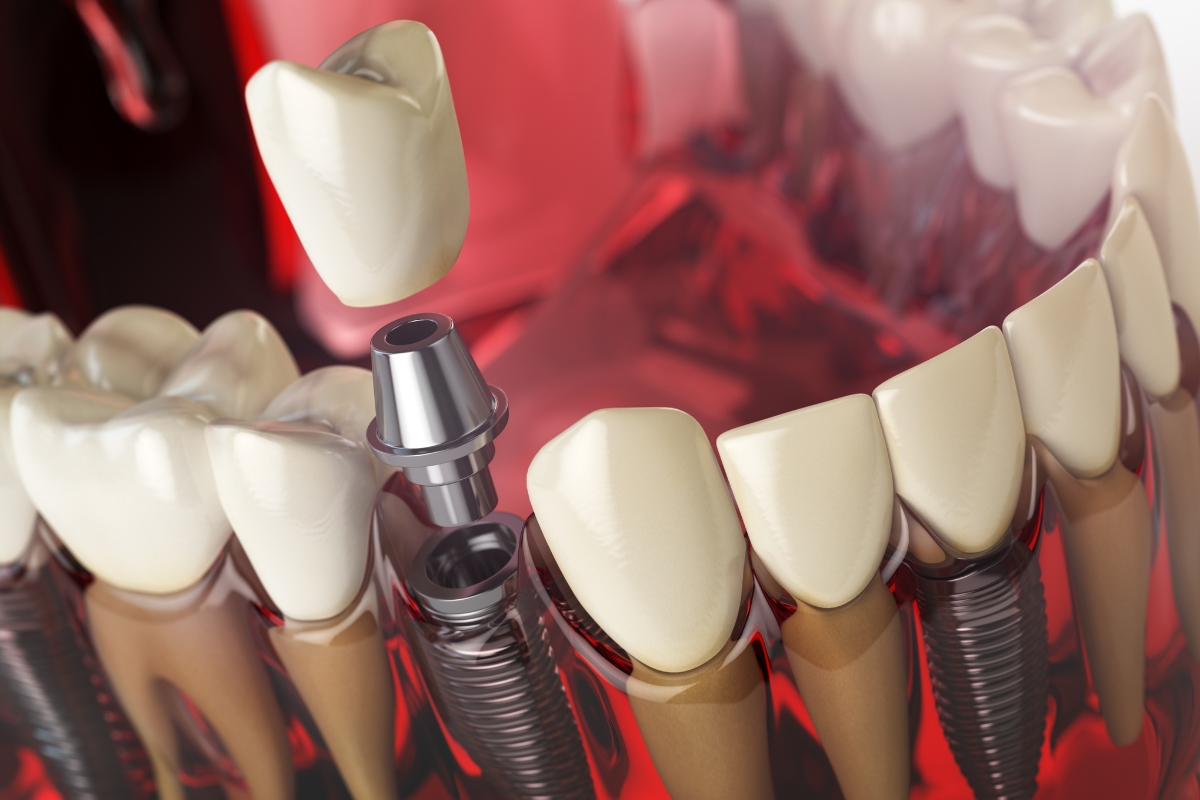
Once healed, dental implants are strong—but the surrounding components, including the crown and abutment screws, can still be affected. Excess force from bruxism may cause:
- crown fractures
- screw loosening
- wear on implant surfaces
- gum inflammation in some cases
A periodontist’s job is to anticipate these risks early by evaluating bite patterns, jaw strength, and signs of chronic clenching.
Why Teeth Grinding Happens More Than You Think
Teeth grinding often increases during stressful points in life. In Wheat Ridge, many patients report grinding during job transitions, family stress, or sleep changes. It’s not just emotional stress—grinding can also be linked to:
- sleep apnea
- uneven bite alignment
- certain medications
- genetics
- lifestyle habits
If you’re getting implants soon or already have them, sharing these details with your periodontist helps shape a more protective treatment plan.
Protecting Your Dental Implants if You Grind Your Teeth
Let’s go through simple, proven ways to protect implants from the force of clenching.
Night Guards Are One of the Most Effective & Reliable Options
A custom night guard acts like a protective buffer between upper and lower teeth. It helps absorb excessive pressure from grinding while also guiding the jaw into a healthier position. Patients with implants benefit from night guards because they preserve the longevity of the implant crown and prevent loading stress.
Jaw Relaxation Techniques
Gentle evening routines—stretching, heat therapy, and slow breathing exercises—can help reduce nighttime bruxism intensity. Periodontists often recommend incorporating these steps into your daily schedule.
Monitoring Bite Alignment
Sometimes the bite itself contributes to grinding. Adjustments made by a trained professional ensure that your implant and natural teeth distribute forces evenly. Proper bite alignment reduces long-term implant risks.
Regular Checkups With a Periodontist
Implants thrive with long-term maintenance. A periodontist can detect early signs of grinding-related stress before they cause problems. This makes ongoing follow-up care especially important for implant patients.
Local Insight for Patients in Wheat Ridge
Patients here in Wheat Ridge often lead active lifestyles—hiking, biking, commuting, and balancing work and family life. With such busy routines, grinding may go unnoticed until symptoms like morning jaw tightness, chipped teeth, or headaches appear. That’s why many local patients only discover bruxism after visiting a periodontist for implant planning.
If you’re considering implants or already have them, a local specialist ensures your treatment considers the unique habits and environmental factors common to the area.
To maintain your oral health and implant stability, you can consult with a trusted periodontist who can tailor guidance to your individual bite pattern.
Data-Based Interpretation: How Big Is the Risk?
Research indicates:
- 10–15% of adults have chronic bruxism
- Nighttime bruxism can exert up to 2x the pressure of daytime grinding
- Patients who use night guards experience significantly fewer implant complications
- Controlled grinding rarely causes implant failure, but uncontrolled grinding increases screw-loosening risk by up to 3X
This data reinforces the idea that grinding alone does not cause implant failure—but grinding without protection can significantly increase wear and related complications.
Frequently Asked Questions
Can grinding cause a dental implant to fail?
Failure is uncommon, but uncontrolled grinding during the healing phase increases risk. After healing, damage typically affects the crown or screws—not the implant post.
How do I know if I grind my teeth while sleeping?
Jaw tightness, worn tooth edges, morning headaches, or a clicking jaw joint can be signs. A periodontist can confirm through exams and bite analysis.
Will a night guard protect my implant?
Yes. Night guards reduce force pressure, protecting both the implant crown and supporting structures.
Should I treat bruxism before getting dental implants?
In many cases, yes. Addressing grinding first helps create a more stable environment for implant success.
Is teeth grinding related to stress?
Often, yes. Stress and sleep quality are two of the biggest triggers for nighttime bruxism.
Final Thoughts
Grinding and clenching don’t automatically put your dental implants at risk, but they do require awareness and protection—especially during early healing. Partnering with an experienced periodontist ensures that your bite, jaw movement, and implant placement work together in a safe, long-lasting way.
If you’ve been grinding, waking up with soreness, or simply want reassurance, this is a good time to schedule an appointment so you can protect your dental implants and your long-term comfort.