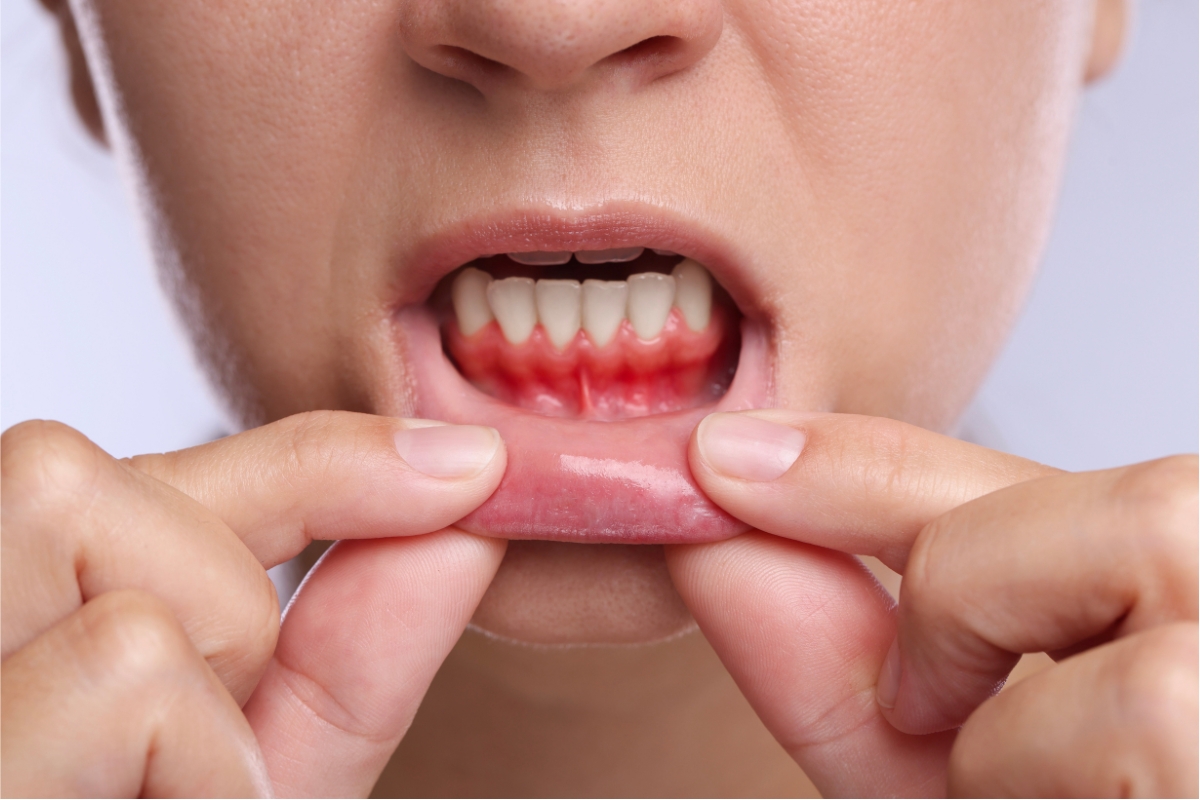


If you’ve ever been told that your bite is “off,” you may wonder whether it can affect more than just your teeth. Many patients are surprised to learn that the pressure created by an uneven bite can influence the health of their gums as well. While bacteria remain the main cause of periodontal disease, the way your teeth fit together can either protect your gums or place them under unnecessary stress.
Think of your teeth as part of a team. Every tooth is designed to share the force of biting and chewing. When one or several teeth absorb more pressure than they should, the surrounding tissues have to work much harder. Over time, that constant strain can create problems that deserve professional attention.
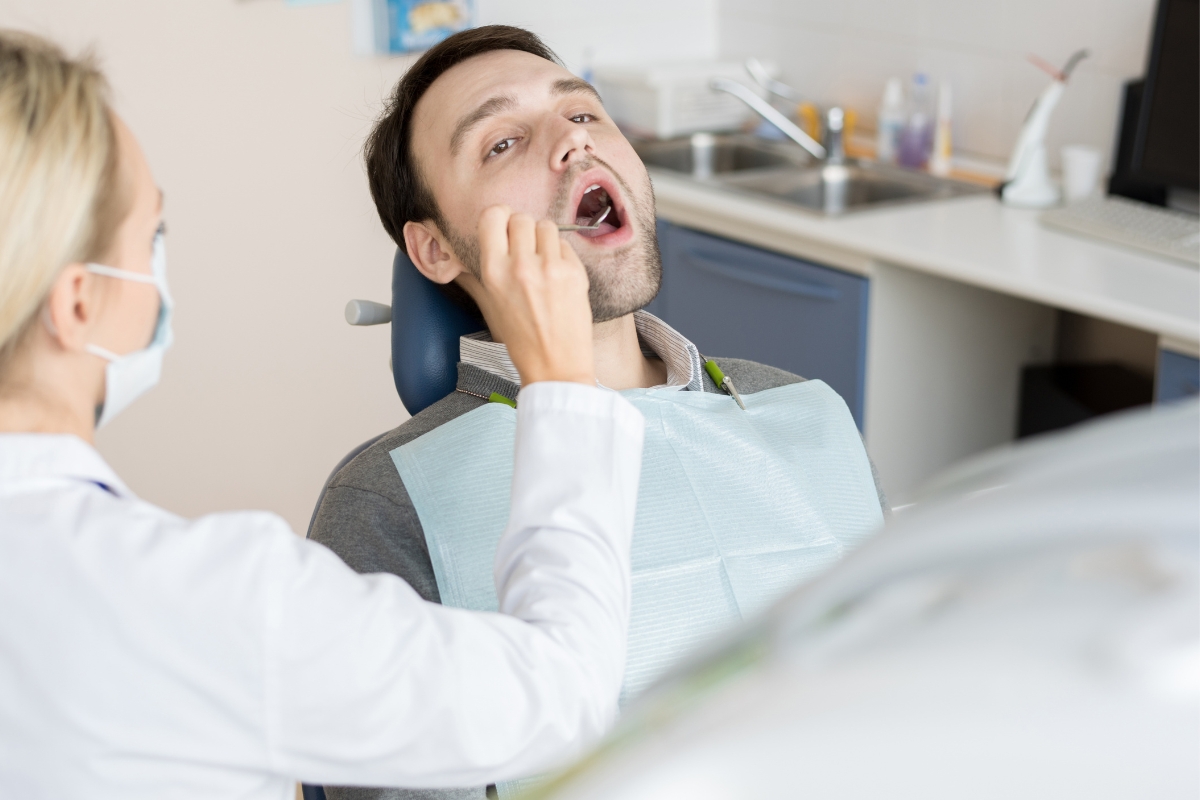
If you’ve been noticing sore teeth, changes in your bite, or gums that don’t seem as healthy as they once were, searching for a periodontist near me can help you find answers before the condition becomes more serious. A periodontal evaluation can determine whether your symptoms are related to gum disease, bite problems, or a combination of both.
What Exactly Is Occlusal Trauma?
Occlusal trauma is simply the body’s response to too much biting pressure. It isn’t an infection or a disease. Instead, it happens when one or more teeth experience forces they weren’t meant to handle.
This can happen for several reasons. Some people grind or clench their teeth while sleeping without realizing it. Others develop bite problems after losing a tooth, receiving a dental restoration that doesn’t fit quite right, or experiencing gradual changes as teeth shift over time.
Unlike a cavity, occlusal trauma doesn’t happen overnight. It usually develops slowly, making the early signs easy to ignore.
Why Does Bite Pressure Matter?
Every tooth is supported by bone, connective fibers, and gum tissue. These structures are strong, but they aren’t designed to absorb excessive force every day.
When pressure repeatedly concentrates on the same area, the surrounding tissues can become irritated. The tooth may feel tender while chewing, become slightly mobile, or develop small cracks over time. Although these changes aren’t caused by bacteria, they can make the tissues less resilient if gum inflammation is already present.
Can It Actually Cause Periodontal Disease?
The answer is no.
Periodontal disease begins because bacteria accumulate around the teeth and beneath the gums. Without that bacterial infection, occlusal trauma alone won’t create gum disease.
However, it can change how the disease behaves.
Imagine trying to heal a sprained ankle while continuing to run every day. Recovery would naturally take longer because the injured area keeps experiencing stress. A similar situation can happen inside your mouth. When inflamed gums are also exposed to heavy biting forces, healing becomes more difficult, and damage may progress more quickly.
This is why many people who search for a periodontist near me discover that successful periodontal treatment often includes evaluating the way their teeth come together—not just cleaning beneath the gums.
Signs That Your Bite May Need Attention
Occlusal trauma doesn’t always cause obvious pain. In fact, many people live with it for years before realizing something isn’t right.
Some possible warning signs include:
- One tooth hurts when you bite down.
- Your teeth seem to be wearing down faster than expected.
- You frequently wake up with jaw tightness.
- Small chips appear along the edges of your teeth.
- A tooth suddenly feels loose.
- Your bite feels different than it used to.
These symptoms don’t automatically mean you have periodontal disease, but they shouldn’t be ignored.
How Is Occlusal Trauma Treated?
Treatment isn’t the same for everyone because the cause varies from person to person.
After a detailed examination, your periodontist may recommend:
- Adjusting areas where the bite is uneven.
- Wearing a custom night guard to reduce pressure from grinding.
- Replacing restorations that interfere with your bite.
- Treating existing periodontal disease if infection is present.
- Monitoring teeth that have become mobile.
The goal isn’t simply to relieve discomfort. It’s to reduce unnecessary stress so your gums and bone have a healthier environment to function.
Keeping Your Bite and Gums Healthy
Many bite-related problems can be managed before they lead to more significant concerns.
A few simple habits can make a difference:
- Keep up with routine periodontal checkups.
- Brush and floss thoroughly every day.
- Don’t ignore jaw pain or teeth that feel different.
- Avoid chewing on ice, pens, or other hard objects.
- Wear a professionally made night guard if you grind your teeth.
- Replace missing teeth before they change your bite.
Small preventive steps today can help protect your smile for many years.
Final Thoughts
Your bite and your gums work together every time you eat, speak, and smile. Although occlusal trauma isn’t responsible for causing periodontal disease, it can place additional strain on already inflamed tissues and make treatment more challenging if left untreated.
At Colorado Periodontal Associates, we help patients in Wheat Ridge, CO understand the underlying causes of their periodontal concerns through comprehensive evaluations and personalized treatment plans. Whether you’re experiencing bite discomfort, loose teeth, or symptoms of gum disease, we’re here to help you find the right solution. Schedule an appointment today and take the first step toward healthier gums and a stronger smile.
Frequently Asked Questions
Can an uneven bite damage healthy teeth?
Yes. Excessive pressure can gradually wear down teeth and strain the tissues that support them, even if your gums are otherwise healthy.
Is occlusal trauma painful?
Not always. Some people notice discomfort while chewing, while others only discover it during a dental examination.
Does everyone who grinds their teeth develop occlusal trauma?
No. The severity depends on how often you grind, how much force is involved, and how your bite distributes pressure.
Can gum disease get worse because of bite problems?
Yes. Although bite problems don’t cause the infection, they may increase stress on already inflamed tissues and make periodontal disease more difficult to manage.
How does a periodontist check for occlusal trauma?
They examine your bite, tooth mobility, gum health, and X-rays to determine whether excessive pressure is affecting your supporting tissues.
Can a night guard help?
For patients who grind or clench while sleeping, a custom night guard can reduce excessive force and help protect the teeth and gums.
Is treatment different if I already have periodontal disease?
Yes. Your periodontist may recommend treating both the infection and the bite imbalance to improve long-term results.
When should I schedule an evaluation?
If you notice loose teeth, discomfort while chewing, jaw soreness, or bleeding gums, it’s best to have your oral health evaluated as soon as possible.