



When you receive dental implants, it often marks an exciting step toward restoring your smile and improving everyday comfort. But once the procedure is done, many patients begin wondering about their routine—especially exercise. If you’re someone who enjoys staying active, you may ask how long you need to pause workouts and when it’s safe to return to them.
Physical activity is an important part of overall wellness, but the first stage of healing after implant surgery requires some caution. The body needs time to repair gum tissue and allow the implant to integrate with the jawbone.
For people considering dental implants in Wheat Ridge, understanding how activity levels influence healing can make recovery smoother and help prevent complications. With a few thoughtful adjustments and the right dental implant recovery tips, most patients can safely return to their usual lifestyle within a short period.
What Happens During the Healing Process?
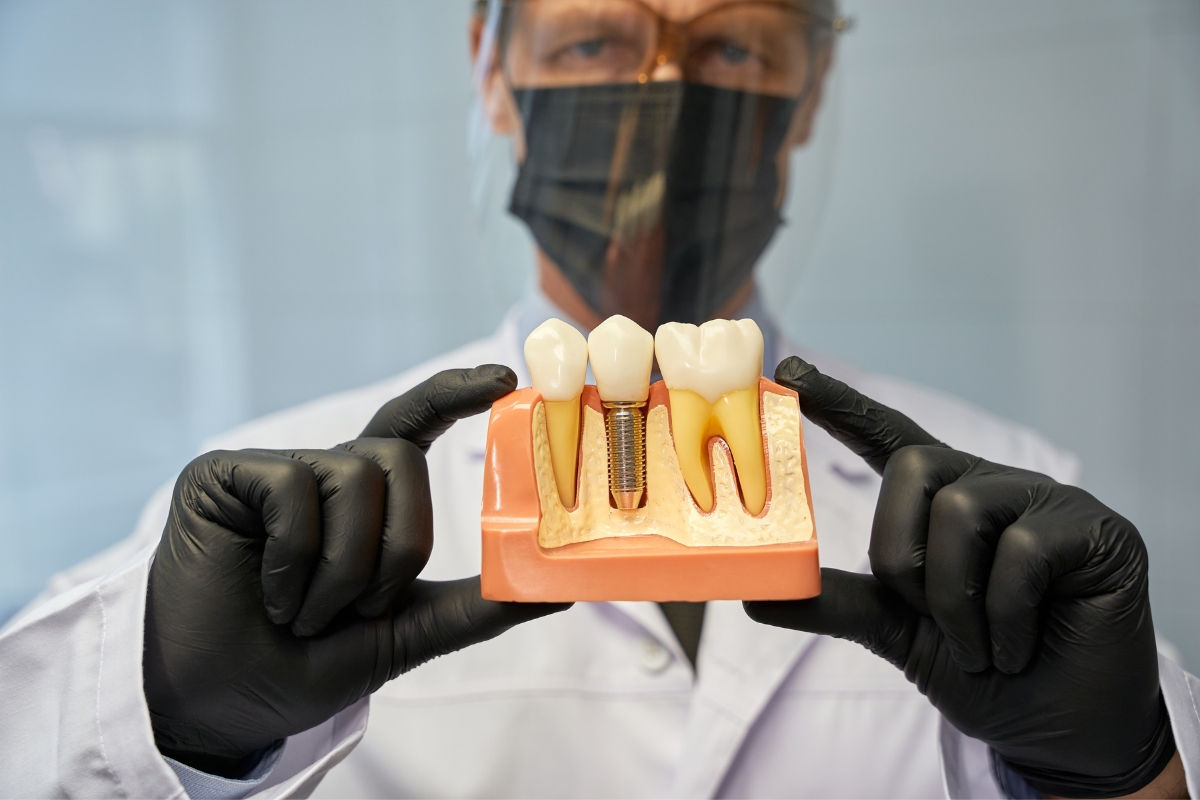
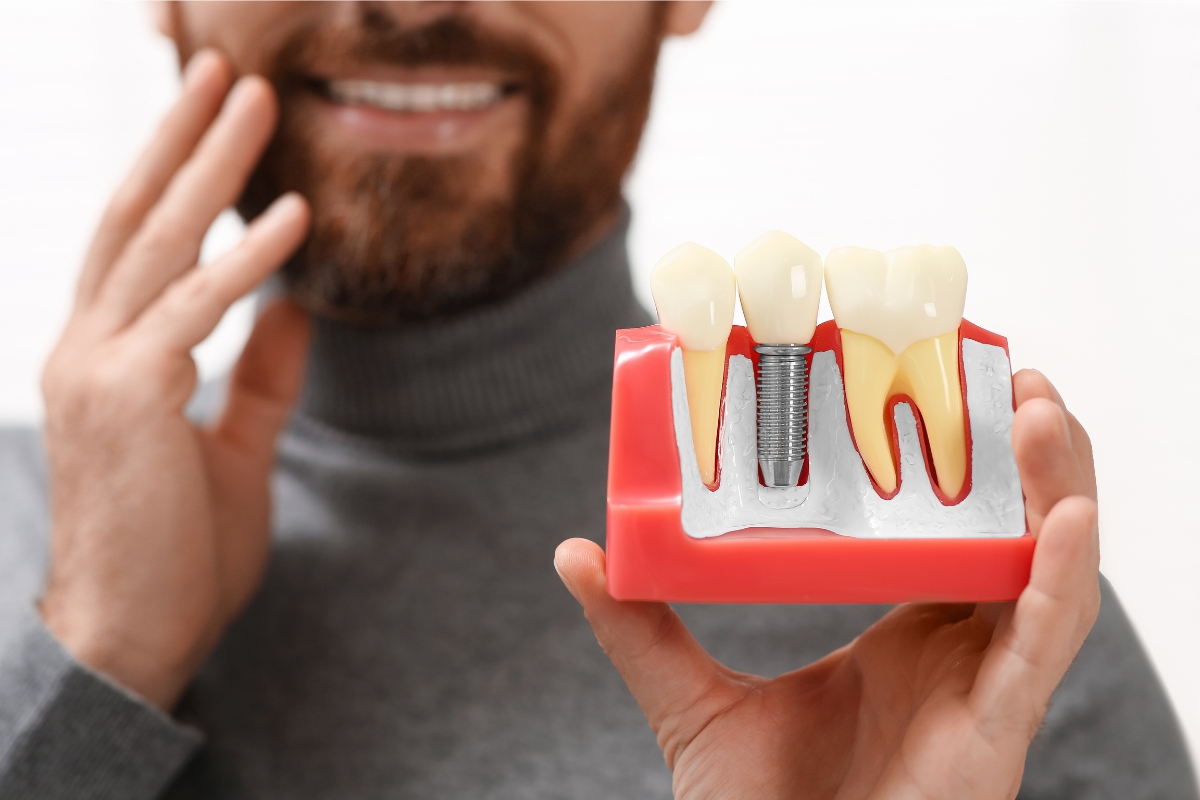
Dental implants work by placing a small titanium post into the jawbone where a tooth is missing. Over time, the bone naturally bonds with the implant, creating a stable foundation for a replacement tooth.
This process—known as osseointegration—is what makes implants durable and reliable. However, the early phase of healing is when the surgical site is most sensitive.
During this time, the surrounding bone and gum tissue gradually adapt to the implant. A periodontist, who focuses on the health of gums and bone structures, typically monitors healing closely to ensure everything is progressing as expected.
Research shared by the American Dental Association shows that dental implants maintain a success rate close to 95% when patients follow proper aftercare instructions.
Why Intense Exercise Should Wait After Surgery
After implant surgery, your body is focused on healing. Strenuous workouts can interfere with that process in several ways.
Increased Blood Pressure
Exercise increases heart rate and blood circulation. This can trigger bleeding at the surgical site, especially within the first couple of days.
Swelling Around the Implant Area
High-intensity movement may cause swelling to linger longer than expected. Swelling is normal after surgery, but excessive activity can make it worse.
Stress on the Jaw
Certain exercises—like heavy lifting—cause people to tighten their jaw muscles. This pressure can disturb the healing implant site.
For these reasons, most periodontists recommend taking a short break from vigorous workouts immediately after the procedure.
How Long Should You Wait Before Exercising?
Everyone heals at a slightly different pace, but general guidelines can help you understand what to expect.
The First 48 Hours
The first two days are the most important for healing. Resting during this period allows blood clots to stabilize around the implant area.
Avoid:
- Running or cycling
- Weight training
- High-intensity workouts
- Bending or lifting heavy objects
Short walks around your home are usually fine if you feel comfortable.
Three to Five Days After Surgery
Many patients notice reduced swelling and discomfort after a few days. Light movement such as casual walking is usually safe, but workouts that significantly increase your heart rate should still be avoided.
Your periodontist may recommend continuing to limit physical exertion during this phase.
Around One Week
If recovery is progressing normally, you may gradually return to moderate activities. However, strenuous workouts should still be approached carefully.
Two Weeks and Beyond
By the two-week mark, many individuals are able to return to most normal exercise routines. Still, your provider may suggest easing back into your workouts rather than starting at full intensity.
Dental Implant Recovery Tips for Active Patients
If you enjoy staying active, a few small adjustments can make the healing period easier.
Choose Gentle Activities
Walking or light stretching can keep your body moving without placing strain on the implant site.
Keep Your Body Hydrated
Staying hydrated supports circulation and helps reduce inflammation during recovery.
Pay Attention to Jaw Tension
During workouts such as weightlifting, people sometimes clench their jaw without realizing it. Avoiding this habit helps protect the surgical area.
Follow Implant Surgery Aftercare Instructions
Your care plan may include:
- Eating soft foods for several days
- Avoiding hot or spicy foods early on
- Applying cold compresses to reduce swelling
- Keeping the surgical site clean
These steps support the healing process and improve the chances of long-term implant success.
Living an Active Lifestyle in Wheat Ridge
Wheat Ridge offers plenty of opportunities for staying active, from neighborhood walking paths to nearby mountain trails. Many residents enjoy outdoor activities throughout the year.
If you normally spend time hiking, biking, or jogging, it may help to temporarily replace those workouts with gentle activities while your mouth heals. Even short daily walks can help maintain your routine without placing stress on the implant area.
Patients receiving dental implants in Wheat Ridge often find that planning their surgery around a lighter week of activity helps make recovery easier.
Signs You May Be Doing Too Much Too Soon
Your body usually provides clear signals when it needs more rest. If you return to exercise too quickly, you may notice:
- Bleeding around the implant site
- Increased swelling or throbbing
- Sensitivity that worsens during activity
- Pressure in the jaw or gums
If any of these symptoms occur, pause your workouts and speak with your periodontist to ensure the implant area is healing properly.
The Long-Term Outlook for Dental Implants
Once healing is complete, dental implants function very much like natural teeth. This means you can eat, speak, and stay active without worrying about movement or discomfort.
Studies suggest that implants can last 20 years or longer when patients maintain good oral hygiene and attend regular dental checkups. This reliability is one reason implants are widely considered one of the most effective options for replacing missing teeth.
Frequently Asked Questions
Can I walk after dental implant surgery?
Yes. Gentle walking is usually safe within the first day or two, as long as it doesn’t increase discomfort or bleeding.
When can I return to the gym?
Most patients can return to moderate exercise after about a week, but high-intensity workouts may need to wait slightly longer depending on healing progress.
Does physical activity slow implant healing?
Strenuous exercise too soon after surgery can increase swelling and bleeding, which may delay healing.
Can I run after dental implant surgery?
Running should typically be avoided for about 7–10 days, or until your periodontist confirms that healing is progressing well.
How long does implant healing usually take?
Initial healing may take several weeks, while full bone integration generally takes three to six months.
Supporting a Smooth Recovery
Taking a short break from intense workouts can feel challenging, but allowing your body time to heal is an important part of successful implant treatment. A careful recovery period helps ensure that the implant integrates properly with your jawbone.
If you’re thinking about dental implants in Wheat Ridge, discussing your daily routine with a skilled periodontist can help you prepare for both treatment and recovery. With the right guidance, you can return to your normal activities with confidence.
If you have questions about implant care or recovery timelines, you can always schedule an appointment to talk through your options and receive personalized advice.