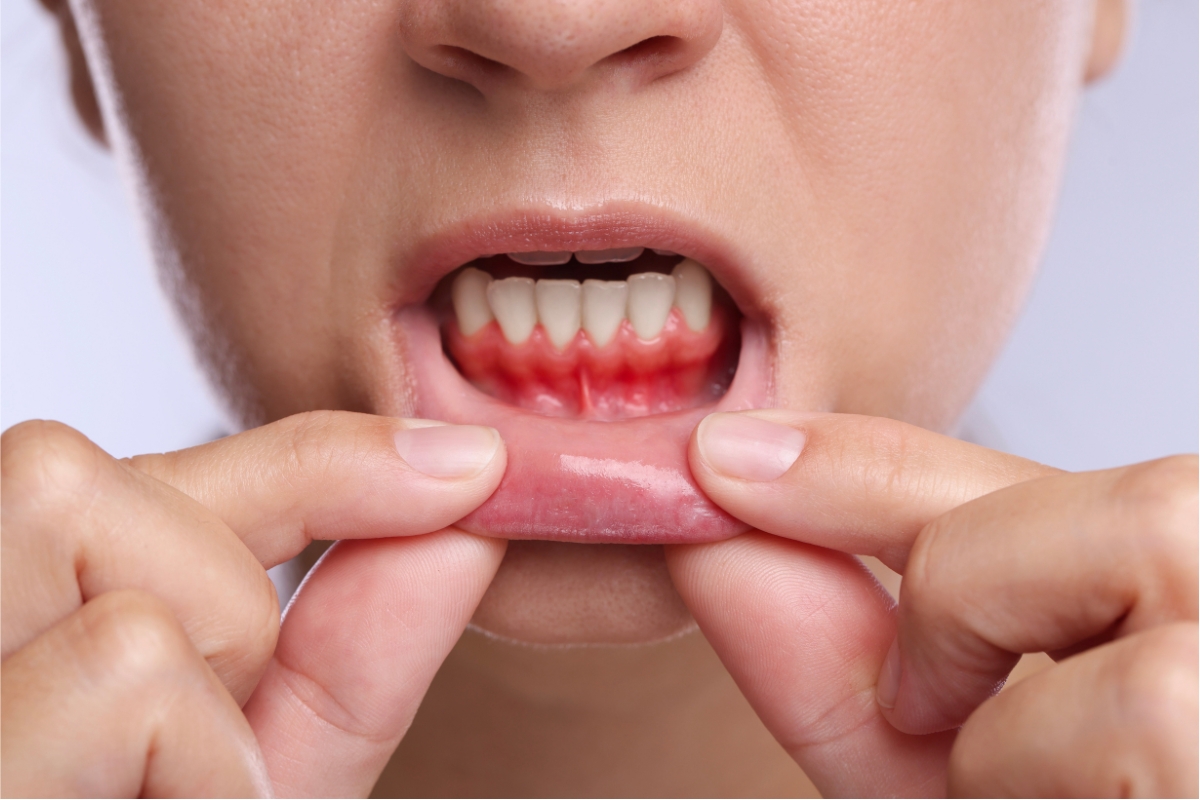



Have you ever noticed a little blood in the sink after brushing your teeth? Many people brush it off as normal, but healthy gums shouldn’t bleed. In most cases, bleeding, tenderness, or swollen gums are your body’s way of telling you that something isn’t right. The sooner you pay attention to these warning signs, the easier it is to restore your gum health.
The first stage of gum disease, called gingivitis, is often reversible with proper care and healthy daily habits. If the infection is allowed to progress, however, it can develop into periodontitis—a more serious condition that affects the tissues and bone supporting your teeth. While home care is extremely valuable, knowing its limits is just as important.
Your gums play a much bigger role than simply holding your teeth in place. They create a protective barrier around the roots of your teeth and help keep harmful bacteria from spreading deeper into your mouth. If you notice ongoing bleeding, bad breath, or gum sensitivity, scheduling a visit with a periodontist can help identify the problem early and prevent unnecessary complications.
Why Does Gum Disease Develop?
Your mouth naturally contains bacteria. When these bacteria mix with food particles, they create a sticky film called plaque. If plaque isn’t cleaned away every day, it hardens into tartar, creating the perfect environment for bacteria to multiply.
As the bacteria continue to grow, your gums become irritated and inflamed. At first, you may only notice slight bleeding while brushing. Over time, untreated inflammation can cause your gums to pull away from your teeth, creating pockets where bacteria continue to collect. Eventually, the bone supporting your teeth may begin to deteriorate.
What Can You Do at Home?
Home care cannot remove tartar or repair damaged bone, but it can dramatically improve the health of your gums during the early stages of disease. The goal is simple: reduce harmful bacteria every day and give your gums the opportunity to heal.
Clean Your Teeth Gently—but Thoroughly
Many people think brushing harder means brushing better, but that’s actually not true. Gentle brushing with a soft-bristled toothbrush removes plaque without damaging delicate gum tissue. Spend at least two minutes brushing every morning and evening, paying special attention to the gumline.
Don’t Let Plaque Hide Between Your Teeth
A toothbrush reaches only part of each tooth. The spaces between your teeth are where bacteria often remain untouched. Flossing once every day helps remove plaque before it has the chance to harden.
If traditional floss feels difficult to use, a water flosser or floss picks can make the routine much easier.
Give Your Mouth Extra Protection
Brushing and flossing do most of the work, but an antibacterial mouth rinse can provide additional support by lowering the number of harmful bacteria inside your mouth. If signs of gum disease continue, a periodontist may recommend a prescription rinse as part of your treatment plan.
Feed Your Gums the Nutrients They Need
Your gums repair themselves using nutrients from the foods you eat. Fresh vegetables, colorful fruits, lean proteins, dairy products, and foods rich in Vitamin C all support healthy gum tissue.
On the other hand, frequent sugary snacks feed the bacteria responsible for plaque buildup. Reducing added sugars is one of the simplest ways to support healthier gums.
Keep Water Close By
A dry mouth gives bacteria an opportunity to grow more quickly. Drinking water throughout the day helps wash away leftover food particles and supports saliva production. Saliva is one of your body’s natural defenses because it helps neutralize acids and protects both teeth and gums.
Try a Warm Salt Water Rinse
When your gums feel irritated, a warm salt water rinse can provide temporary comfort. Dissolve a teaspoon of salt in warm water, rinse gently for about half a minute, then spit it out. Although this won’t cure periodontal disease, it may help soothe inflamed gum tissue.
Don’t Depend on Home Remedies Alone
Natural remedies like coconut oil pulling are popular online, but they shouldn’t replace proven oral hygiene habits. While some people include them in their routine, brushing, flossing, and professional dental care remain the most effective ways to control gum disease.
Everyday Habits That Make a Difference
Healthy gums depend on more than brushing alone.
If you smoke or use tobacco products, quitting is one of the best decisions you can make for your oral health. Tobacco slows healing and makes it much harder for your body to fight infection.
Managing stress is also important. Long-term stress can weaken your immune system, making it more difficult for your body to control inflammation. Even small habits like getting enough sleep, exercising regularly, or taking time to relax can positively affect your overall health—including your gums.
Finally, don’t underestimate the value of routine dental visits. Even people with excellent brushing habits develop tartar in places they simply can’t reach at home.
When Home Care Isn’t Enough
There comes a point when gum disease needs more than a good brushing routine. If your gums continue to bleed, your teeth begin to feel loose, your gums are receding, or you notice persistent bad breath that doesn’t improve, it’s time for a professional evaluation.
Seeking treatment early often means simpler, less invasive care and better long-term results.
A Healthier Smile Starts With Small Daily Choices
Improving your gum health isn’t about finding one miracle solution. It’s about making small, consistent choices every day. Brushing carefully, cleaning between your teeth, eating nutritious foods, drinking plenty of water, and keeping up with regular dental visits all work together to protect your smile.
If you’re concerned about bleeding gums or other signs of periodontal disease, the team at Colorado Periodontal Associates is here to help patients throughout Wheat Ridge, CO with personalized periodontal care. Schedule an appointment today to take the next step toward healthier gums and a healthier smile.
Frequently Asked Questions
Can early gum disease heal without surgery?
Yes. Gingivitis, the earliest stage of gum disease, often improves with consistent oral hygiene and professional cleanings.
Is bleeding while brushing normal?
No. Healthy gums generally do not bleed. Persistent bleeding should be evaluated by a dental professional.
Can brushing alone prevent periodontal disease?
Brushing is essential, but flossing, healthy eating, and regular dental visits are equally important for preventing gum disease.
Is mouthwash enough to treat gum disease?
No. Mouthwash is helpful as part of a complete oral hygiene routine, but it cannot replace brushing, flossing, or professional treatment.
Does drinking water help my gums?
Yes. Water helps rinse away bacteria and supports saliva production, which naturally protects your mouth.
What foods support healthier gums?
Foods rich in Vitamin C, calcium, lean protein, and antioxidants are excellent choices for maintaining healthy gums.
Should I be worried about bad breath?
Persistent bad breath can be one of the warning signs of gum disease and should not be ignored.
Can stress affect my oral health?
Yes. Chronic stress may weaken your immune system and make it more difficult for your body to manage inflammation.
When should I see a periodontist?
If your gums bleed frequently, are pulling away from your teeth, or your teeth feel loose, it’s time to see a periodontist.
Is professional treatment still necessary if I brush every day?
Yes. Daily brushing is essential, but regular professional cleanings remove tartar that cannot be removed at home and help prevent periodontal disease from progressing.