




Most people think about the cosmetic side of losing a tooth first. The gap may be noticeable when smiling or speaking, and that alone can feel uncomfortable. But what many people do not realize is that a missing tooth can affect much more than appearance. Over time, it can change how the mouth functions and how the surrounding teeth and bone behave.
Teeth are designed to support each other. When one is lost, the rest of the mouth slowly adapts to that change. The process is gradual, which is why the effects are often overlooked at first.
Patients who visit an implant dentist Wheat Ridge residents trust frequently say they assumed replacing a tooth was optional. Months or years later, they begin noticing changes in their bite, chewing ability, or gum health. These issues often trace back to the original missing tooth.
Understanding what happens inside the mouth after tooth loss can help people make better decisions about restoring their smile. Treatments such as dental implants for missing teeth are often recommended because they help bring stability back to the mouth while protecting long-term oral health.
What Actually Happens After a Tooth Is Lost
A single missing tooth might not seem like a big deal. But inside the mouth, several things begin to change.
First, the surrounding teeth no longer have the same support. Second, the jawbone in that area stops receiving stimulation from chewing. Both of these factors can gradually affect the structure of the mouth.
A periodontist, who focuses on the health of the gums and supporting bone, often evaluates these changes when patients seek treatment for tooth replacement.
Health Issues That Can Develop From Missing Teeth
Living with missing teeth does not always cause immediate discomfort. However, several dental changes can develop over time.
Bone Loss in the Jaw
One of the most significant effects of tooth loss is bone loss.
Your jawbone stays strong because tooth roots stimulate it when you chew. Once a tooth is gone, that stimulation disappears. Without regular activity, the body begins to break down the bone in that area.
Dental research has shown that noticeable bone reduction can occur during the first year after tooth loss. As bone levels decline, it may affect both the shape of the jaw and the support for nearby teeth.
A periodontist usually checks bone density carefully before recommending treatment such as dental implants.
Teeth Slowly Moving Out of Position
Another common consequence of tooth loss is shifting teeth.
Teeth naturally try to fill empty spaces. When there is a gap, nearby teeth may lean or drift toward that area. This movement may not be obvious at first, but it can gradually change how your teeth fit together.
As alignment changes, some patients notice:
- Uneven chewing pressure
- Increased wear on certain teeth
- Small spaces or crowding between teeth
- Jaw tension
Replacing the missing tooth helps maintain proper spacing and balance in the bite.
Greater Risk of Gum Disease
Gaps in the mouth can also create areas where food and bacteria collect more easily. These areas may be harder to clean with regular brushing and flossing.
Over time, plaque buildup can irritate the gums and lead to inflammation. If left untreated, this irritation can develop into periodontal disease.
A periodontist specializes in identifying and managing gum conditions before they affect additional teeth.
Changes in Facial Support
Teeth do more than help you chew—they also support the structure of your face. When bone loss occurs after tooth loss, the jaw can gradually lose some of its volume.
This may lead to subtle changes such as:
- A slightly sunken appearance near the cheeks
- Deeper lines around the mouth
- Reduced support for the lips
These changes tend to happen slowly, which is why many people do not connect them to missing teeth.
Chewing Becomes Less Efficient
Another common concern is difficulty chewing certain foods. Even one missing tooth can affect how evenly food is broken down.
Some people begin avoiding harder foods such as apples, nuts, or certain vegetables. Over time, this shift can influence diet and overall nutrition.
Replacing missing teeth with dental implants for missing teeth can restore normal chewing ability and make eating comfortable again.
Why Dental Implants Are Often Suggested
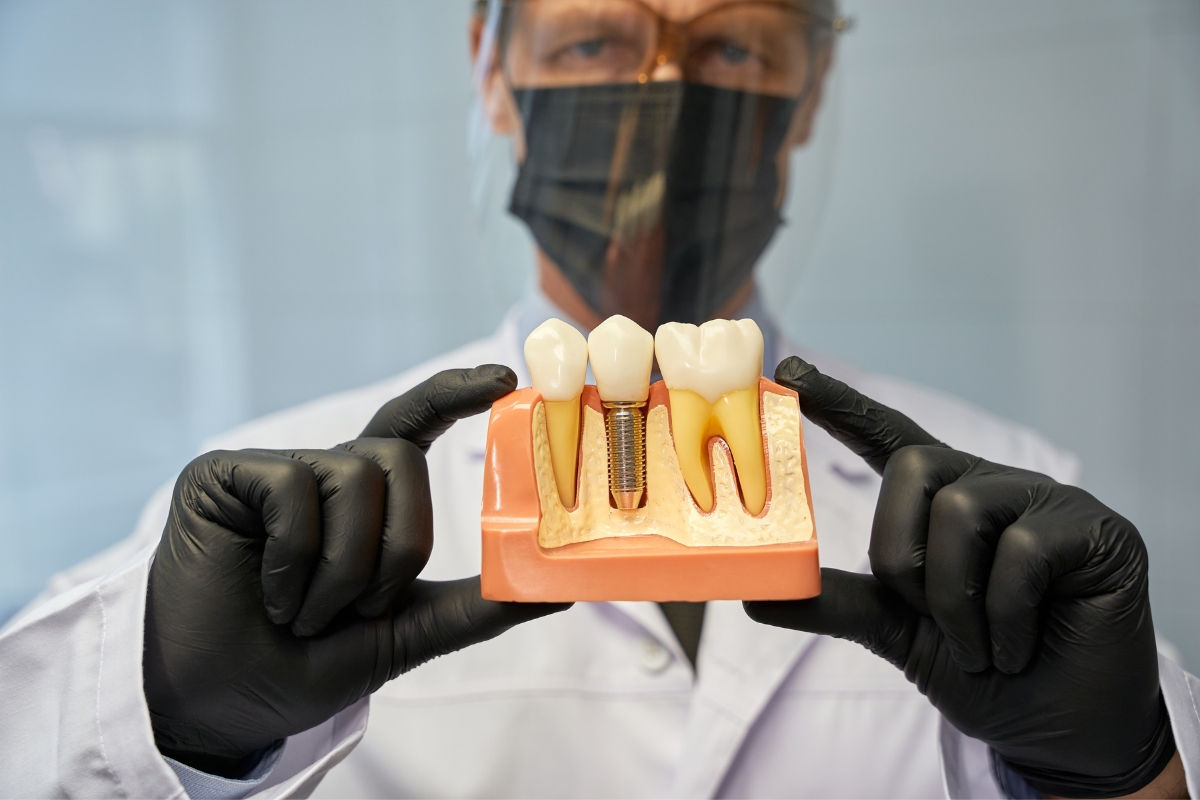
Dental implants are commonly recommended because they replace both the visible tooth and its root.
The implant is placed into the jawbone, where it acts as an anchor for a replacement tooth. This structure allows the implant to stimulate the bone during chewing, which helps slow the process of bone loss.
A periodontist typically evaluates several factors before implant treatment, including gum health and bone density. When conditions are suitable, implants provide a stable and long-lasting solution.
Patients often appreciate that implants look and function very similar to natural teeth.
Why Timing Matters
Many people delay replacing a missing tooth, especially if it is not immediately visible when smiling. However, waiting too long can allow bone loss and shifting teeth to progress.
Patients who consult an implant dentist Wheat Ridge professionals trust often learn that addressing the problem early can simplify treatment and protect the natural structure of the jaw.
If bone loss has already occurred, a periodontist may recommend procedures to rebuild the bone before implant placement.
Oral Health and Lifestyle in Wheat Ridge
Wheat Ridge residents often enjoy an active lifestyle that includes outdoor activities, local restaurants, and community events. Being able to eat comfortably and speak confidently plays an important role in everyday life.
Maintaining healthy teeth supports both oral health and overall well-being.
Frequently Asked Questions
Is replacing a missing tooth really necessary?
In many cases, yes. Leaving a gap can lead to bone loss and shifting teeth, which may create additional dental problems later.
How quickly does bone loss happen?
Bone changes can begin within months after a tooth is lost. The rate varies from person to person.
Are dental implants long-lasting?
Dental implants are designed to be durable and can last many years with proper care and regular dental visits.
Do implants prevent bone loss?
Because implants function like tooth roots, they help stimulate the jawbone and reduce the risk of bone loss.
Should I see a periodontist for missing teeth?
A periodontist is trained to evaluate gum health and bone support, which are both important when considering dental implant treatment.
Final Thoughts
Living with missing teeth may not seem urgent at first, but the long-term effects can gradually influence your oral health. Issues like bone loss, shifting teeth, and chewing difficulties often develop when gaps remain untreated.
Modern treatments such as dental implants for missing teeth help restore balance to the mouth and support the health of the jawbone.
If you have experienced tooth loss, visiting an implant dentist Wheat Ridge residents rely on can help you understand your treatment options.
If you have concerns about missing teeth or changes in your bite, it may be a good time to schedule an appointment and discuss your options with a dental professional.