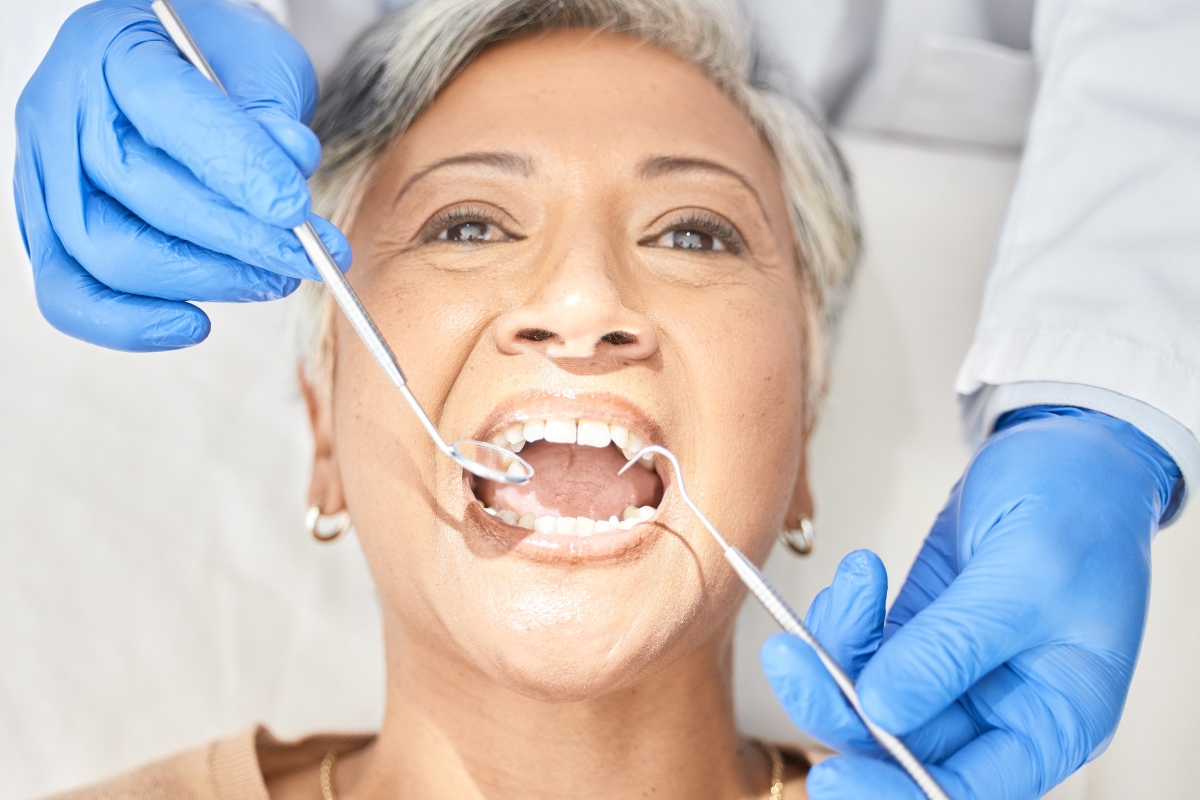




Recovering from a bone graft is an important step toward restoring your oral health—whether you’re rebuilding bone lost due to gum disease, injury, or preparing your jaw for dental implants. The recovery process plays a key role in how well your graft heals, and one of the most crucial factors is your diet.
Eating the right foods after a bone graft not only supports faster healing but also helps reduce pain, swelling, and complications. By knowing which foods to enjoy and which ones to avoid, you can give your body the best chance to heal comfortably and effectively.
Nourishing Your Recovery: Foods That Support Healing
Soft Foods Are Key
After a bone graft, your mouth will be sensitive, and chewing may feel uncomfortable for a few days. Soft, smooth, and easy-to-swallow foods will help protect the surgical site and reduce irritation. Try incorporating options such as:
- Mashed or baked potatoes
- Soft scrambled eggs
- Plain or Greek yogurt with little to no added sugar
- Unsweetened applesauce
- Cottage cheese
- Flaked, well-cooked fish
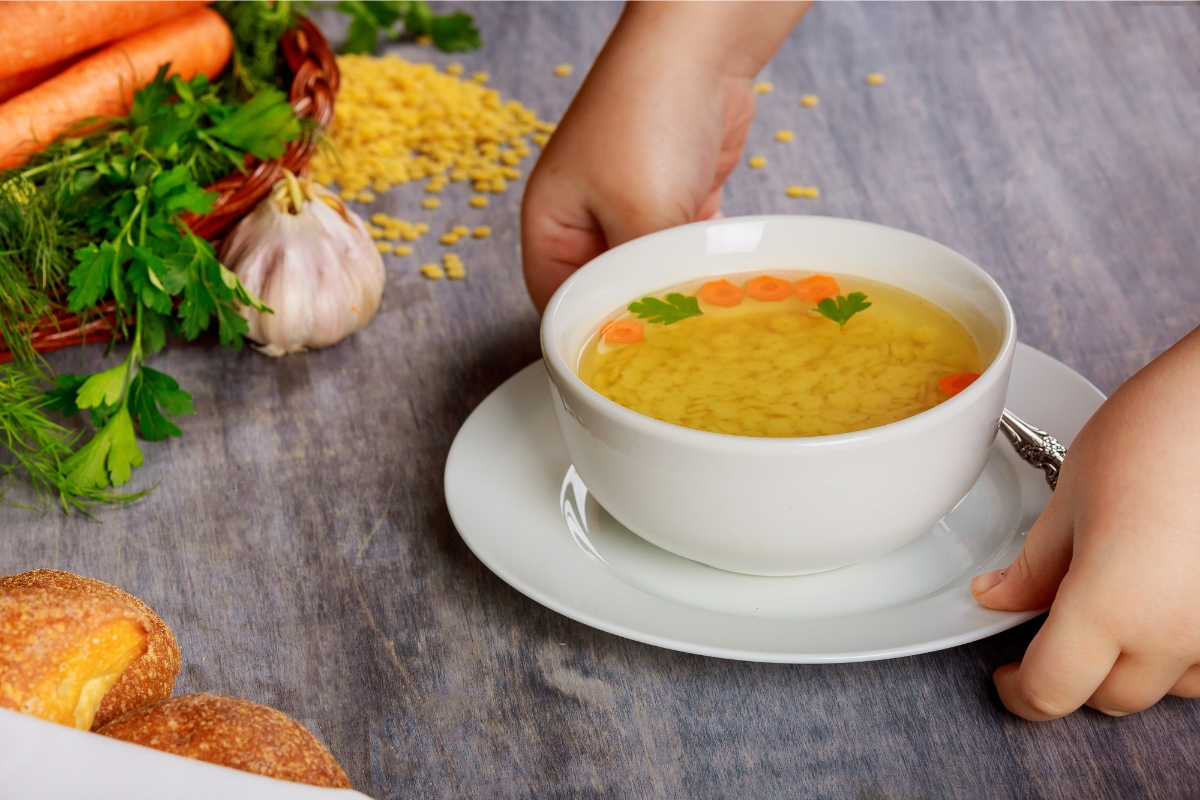
- Smooth soups and broths
- Ripe bananas and avocados
These foods require minimal chewing and provide essential nutrients to help your body recover naturally.
Boost Healing with Protein
Protein plays a critical role in repairing tissue and rebuilding bone. Including protein-rich foods in your diet will support your recovery and strengthen your immune system. Some good options include:
- Ground chicken, turkey, or soft fish
- Mashed beans or lentils
- Silken tofu or tempeh (great vegetarian choices)
- Soft cheeses or Greek yogurt
If chewing feels difficult, try blending these foods into soups or purees to make them easier to eat.
Vitamins and Minerals Matter
Vitamins A, C, D, and calcium are essential for bone and tissue repair. Incorporating nutrient-dense fruits and vegetables can help speed up healing:
- Soft fruits like melons, berries, peaches, and mangoes
- Cooked or steamed vegetables such as carrots, spinach, and broccoli
- Leafy greens like kale and Swiss chard blended into smoothies
These foods provide antioxidants and minerals that promote cell regeneration and boost your immune system during recovery.
Stay Hydrated
Proper hydration supports circulation, nutrient delivery, and tissue repair. Aim for at least eight glasses of fluids each day. Stick to:
- Water
- Herbal teas without caffeine
- Clear broths
- Milk or milk alternatives
Avoid dehydration, as it can slow healing and make discomfort worse.
Smoothies: The Perfect Post-Surgery Meal
Smoothies are an excellent way to combine essential nutrients in a single meal. Blend fruits, vegetables, yogurt, and protein powder for a delicious and easy-to-digest option. You can even include soft greens, nut butter, or oats for added nutrition.
Foods to Avoid After Bone Graft Surgery
To protect your healing site and avoid complications, stay away from certain foods and drinks that can irritate your gums or dislodge blood clots.
- Spicy foods: Can cause pain and inflammation at the surgical site.
- Acidic foods: Citrus fruits, tomatoes, and vinegar-based dishes can sting or burn sensitive areas.
- Crunchy and hard foods: Nuts, raw veggies, and chips can stress the graft site or become lodged in stitches.
- Sticky foods: Candy, gum, and dried fruits can stick to the surgical area and delay healing.
- Very hot or cold foods: Extreme temperatures can irritate sensitive tissues.
- Carbonated beverages: Soda and sparkling water can cause discomfort or disrupt clot formation.
- Alcohol: Can interfere with medications and slow the healing process. Avoid alcohol for at least a few days post-surgery.
Tips for a Smooth Recovery
- Eat smaller, more frequent meals: This makes eating easier and ensures your body gets steady nutrition throughout the day.
- Maintain gentle oral hygiene: Rinse with a saltwater solution if recommended, and brush carefully, avoiding the surgical area.
- Rest well: Your body needs time and energy to heal. Avoid heavy exercise for the first few days.
- Monitor your comfort level: If a food causes pain or irritation, wait a few more days before trying it again.
Listening to Your Body
Every patient heals at their own pace. While these food guidelines are helpful for most people, it’s important to listen to your body’s signals. If something doesn’t feel right or causes discomfort, switch to softer, cooler options until your mouth feels better.
Trust Your Periodontist’s Guidance
Your periodontist who performed the bone graft is your best resource for recovery advice. They can provide specific dietary recommendations based on your treatment plan and healing progress. Don’t hesitate to contact your dental team with questions about when to reintroduce certain foods or how to care for your surgical site.
A Healthy Diet, A Healthy Smile
After bone graft surgery, the right nutrition makes all the difference. Sticking to soft, nutrient-rich, and easily digestible foods can enhance healing and minimize discomfort. By following your periodontist’s instructions and choosing your meals wisely, you’ll be setting yourself up for a faster recovery and a stronger, healthier smile.
Frequently Asked Questions
1. Can I drink coffee after a bone graft?
It’s best to avoid coffee for the first 24–48 hours after surgery since heat can irritate the healing area. Once your mouth starts to feel better, you can enjoy warm—not hot—black coffee in moderation.
2. How long should I stay on a soft food diet?
Most patients are advised to eat soft foods for about 3–7 days. However, healing time varies, so follow your periodontist’s specific recommendations.
3. Can I use a straw to drink?
Avoid using straws during the first few days, as the suction can dislodge blood clots and delay healing. Drink directly from a cup instead.
4. What can I eat if I crave something crunchy?
Try softer options like well-cooked green beans, mashed sweet potatoes, or crushed whole-grain crackers sprinkled over soup for mild texture without the crunch.
5. What are some good post-surgery snack ideas?
Protein smoothies, yogurt with mashed fruit, cottage cheese with soft berries, or mashed avocado on toast are all excellent choices.