



A bone graft is often recommended when the jawbone has lost strength or volume. While many people associate this procedure with dental implants, not everyone chooses to move forward with an implant afterward. If you’ve had a bone graft and are unsure about the next step, you might be wondering what it really means for your oral health.
The truth is, a bone graft can still play an important role—even if you don’t replace the missing tooth right away. It helps rebuild the foundation of your jaw and supports your overall dental health in ways that go beyond just implant preparation.
Why Is a Bone Graft Needed?
Your jawbone can start to shrink when a tooth is lost or when gum disease affects the area. Over time, this loss of bone can impact how your face looks and how your mouth functions.
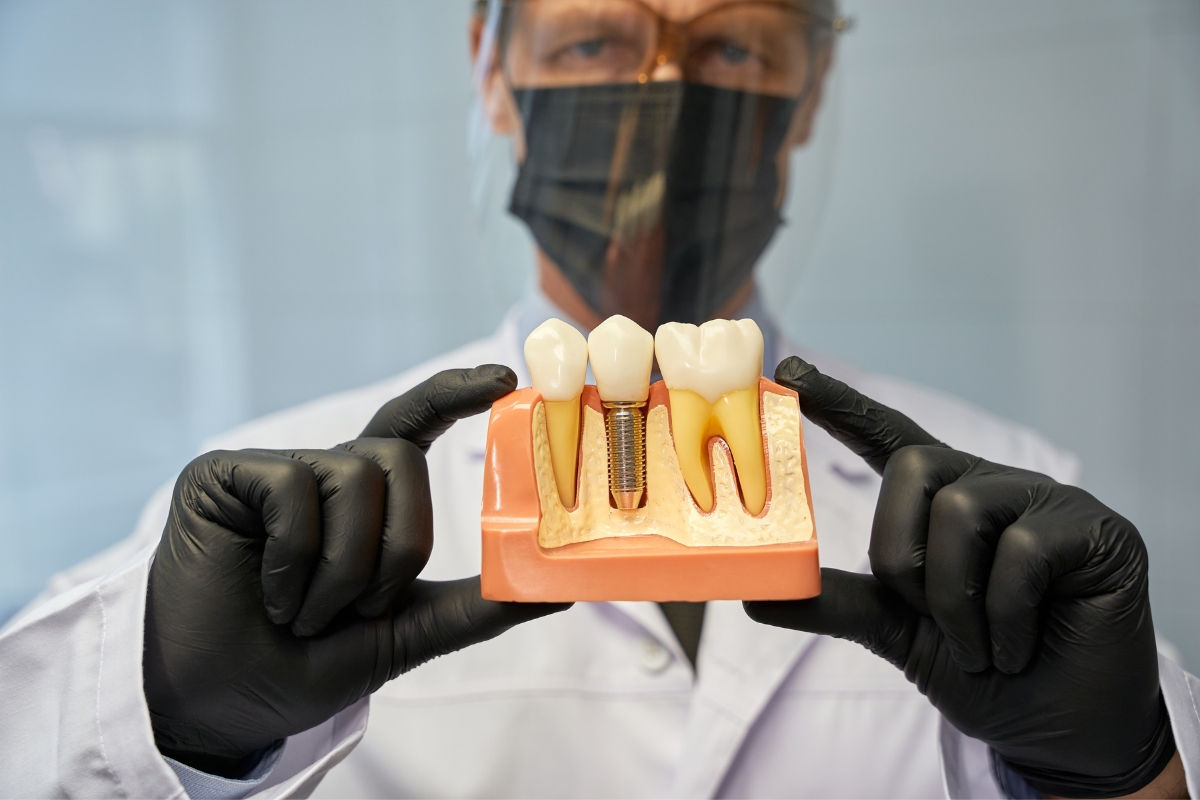
A bone graft is used to rebuild that lost structure. Dentists place a special material in the weakened area, which encourages your body to create new bone. This is especially important when planning for dental implants in Wheat Ridge, as implants need a strong base to stay secure. However, even without moving forward with implants, restoring the bone has its own benefits.
What Happens to the Graft Over Time?
After the procedure, your body gradually accepts the graft and starts turning it into natural bone. This process doesn’t happen overnight—it can take a few months—but it’s a key part of healing.
Even if you decide not to get an implant, the graft doesn’t just disappear. Instead, it becomes part of your jaw, helping to keep the area stable and preventing further bone loss. Without that support, the jawbone can continue to shrink, which may affect your facial structure and oral function over time.
Benefits of Having a Bone Graft Without an Implant
You don’t need to commit to an implant to see positive results from a bone graft. Here’s how it can still help:
Helps Maintain Facial Shape
Bone loss can cause the face to appear sunken. A graft helps preserve a more natural look.
Improves Denture Stability
If you wear dentures, having a stronger jawbone can make them fit better and feel more comfortable.
Supports Everyday Function
Stronger bone can make chewing and speaking feel more natural and less strained.
Protects Nearby Teeth
Bone loss in one spot can affect surrounding teeth. A graft helps keep that area stable.
What Are the Risks of Skipping the Implant?
While a bone graft offers support, it doesn’t completely replace the function of a natural tooth root or implant. Here’s what to keep in mind:
Bone May Shrink Again Over Time
Without stimulation from an implant or tooth, the bone in that area may slowly reduce again.
Teeth Can Shift Into the Gap
When a space is left empty, nearby teeth may start to move, which can affect your bite.
Changes in Gum Appearance
The gum tissue in that area may recede or change shape over time.
What Are Your Options Instead of Implants?
If implants aren’t the right choice for you, there are still other ways to replace missing teeth and maintain oral function:
Dental Bridges
These use surrounding teeth to support a replacement tooth and fill the gap.
Removable Dentures
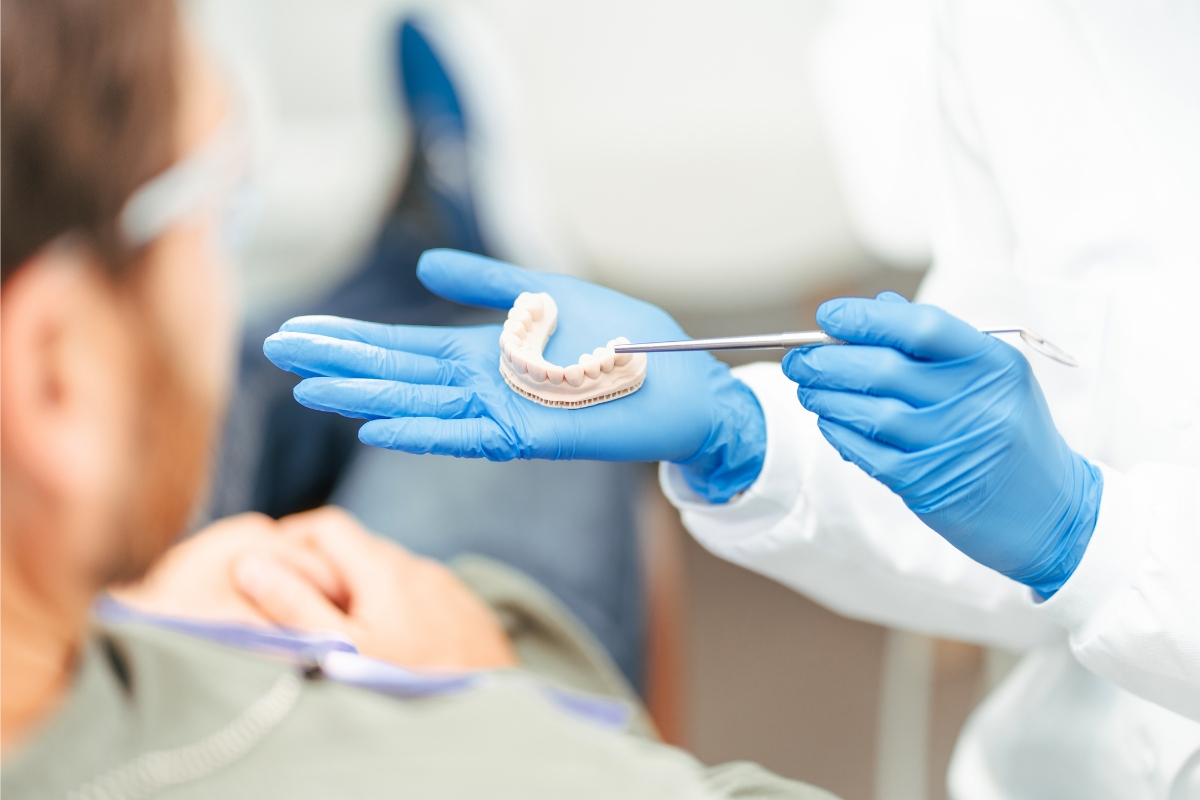
Dentures can replace one or more missing teeth, and a bone graft can help them fit more securely.
Personalized Treatment Plans
Every situation is different, so it’s important to explore options that fit your needs. Searching for a periodontist near me can help you find a specialist who can guide you through the right choices.
Final Thoughts
Getting a bone graft without moving forward with an implant is still a worthwhile step for your oral health. It helps protect your jawbone, supports surrounding teeth, and maintains your facial structure. While implants are a popular solution, they’re not the only way to restore your smile.
The most important thing is to understand your options and choose what works best for your long-term comfort and health. If you’ve had a bone graft or are considering one, speaking with a dental professional can help you feel more confident about your decision.
Schedule an appointment today to discuss your options and take the next step toward a healthier smile.
Frequently Asked Questions
Does a bone graft still help if I don’t get an implant?
Yes, it strengthens your jaw and helps prevent further bone loss even without an implant.
Can I decide to get an implant later?
In many cases, yes. If the bone remains healthy, an implant can often be placed later.
How long does it take for a bone graft to heal?
Healing typically takes a few months as the graft integrates with your natural bone.
Will my jaw shrink again without an implant?
Some bone loss may still occur over time without stimulation from a tooth or implant.
Is a bone graft a painful procedure?
Most patients experience mild discomfort, which can be managed with medication and proper care.