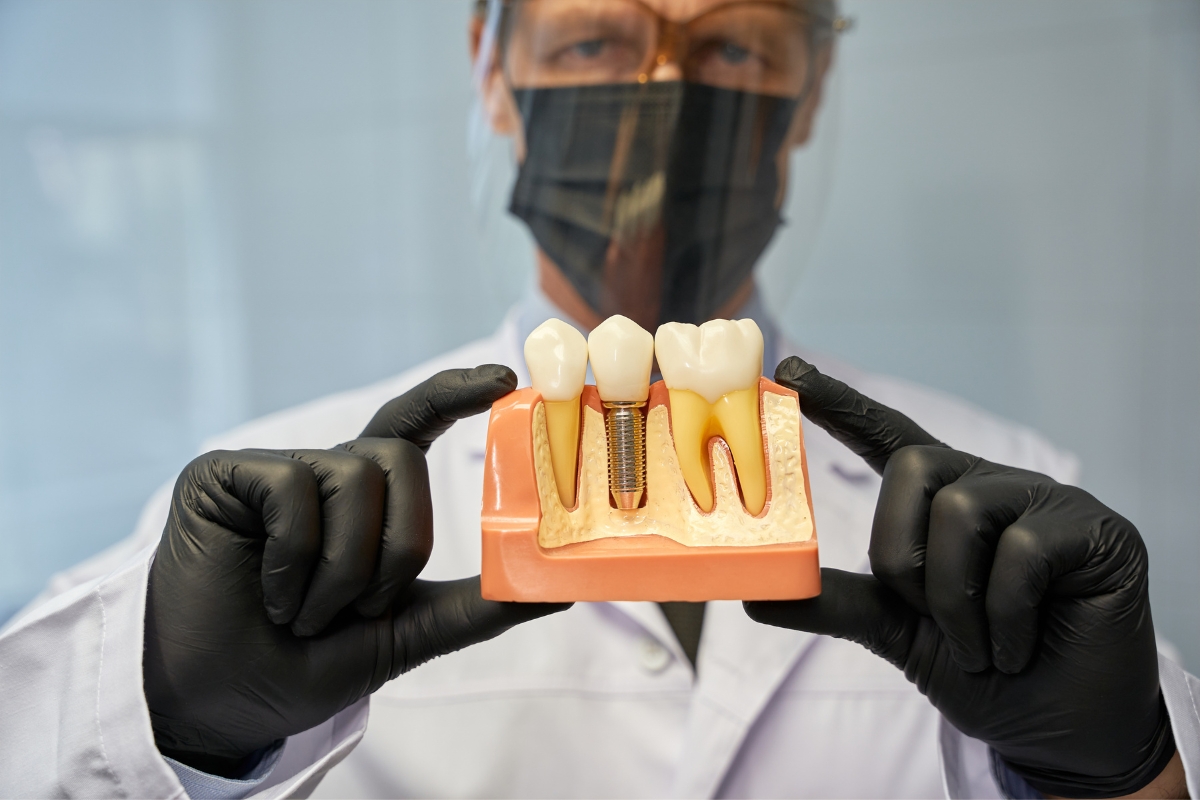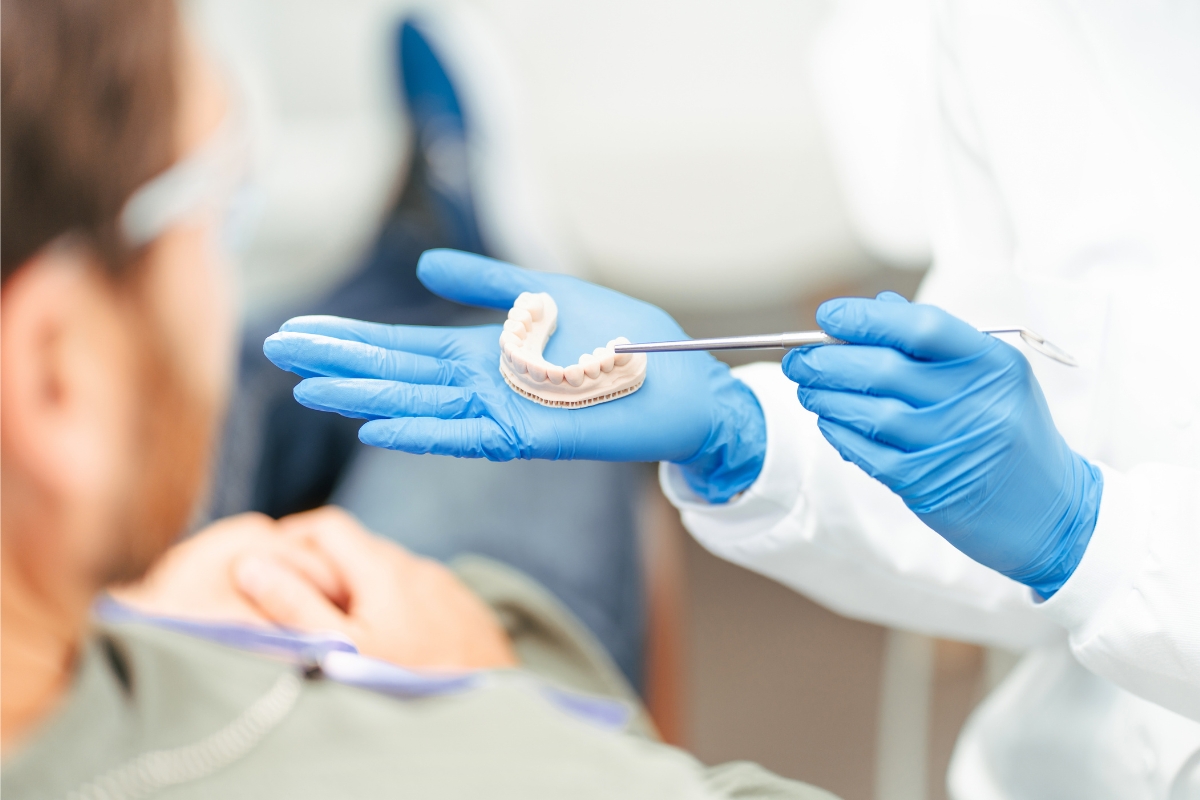


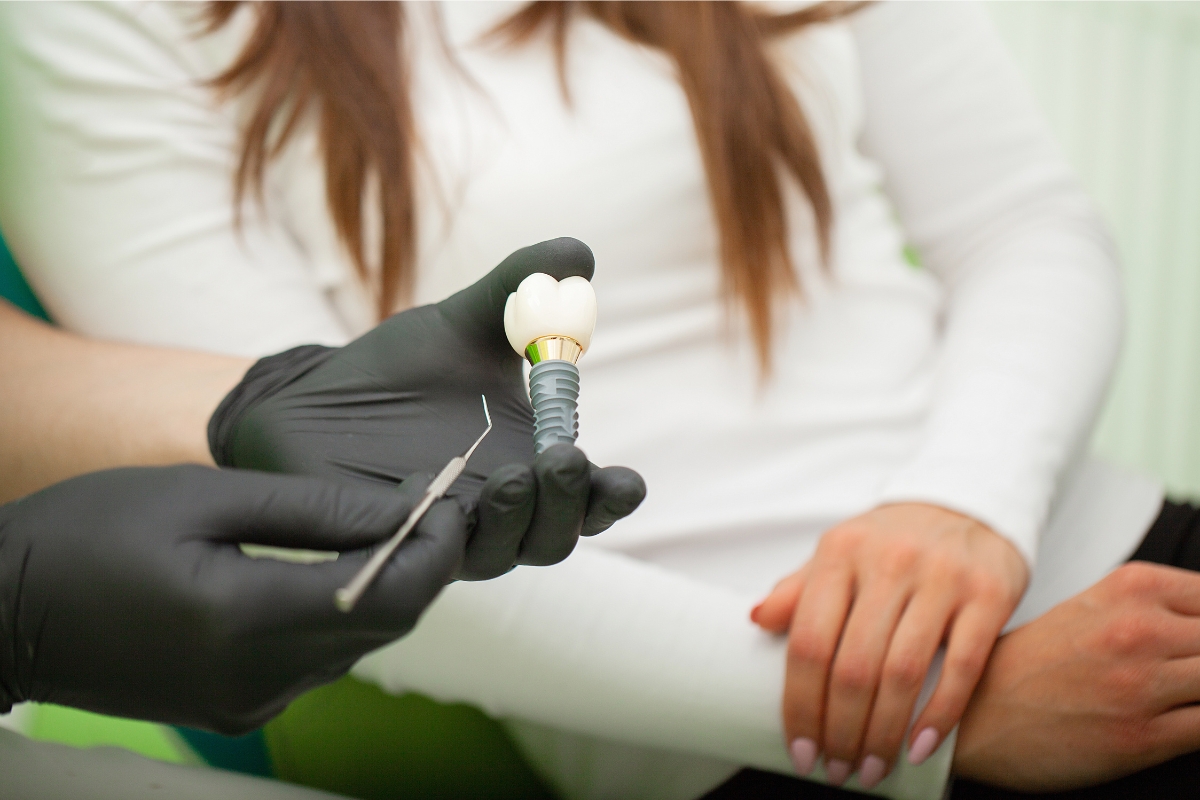
Dental implants are often described as a long-term solution for missing teeth, but they are not immune to everyday wear and tear. Most patients are surprised to learn that daily routines—things done without much thought—can slowly affect how well an implant holds up over time.
If you have dental implants in Wheat Ridge, understanding these habits can help you protect your oral health and avoid complications that may develop quietly. Implants depend on healthy bone and gum tissue, and small changes in daily behavior can make a meaningful difference.
Why Daily Habits Matter After Implant Placement
Once an implant has healed and fused with the jawbone, it may feel just like a natural tooth. That sense of normalcy is a good thing—but it can also lead people to forget that implants still require consistent implant care.
Periodontists often explain that most cases of dental implant failure are not sudden. Instead, they develop gradually as gum inflammation, bone loss around the implant, or mechanical stress builds over time.
Habit #1: Rushing or Skipping Oral Hygiene
Good oral hygiene habits are essential for keeping implants healthy. When brushing and flossing are inconsistent, bacteria can gather around the implant crown and along the gumline.
Why This Can Become a Problem
Unlike natural teeth, implants do not have ligaments that help signal irritation early. Plaque buildup can lead to inflammation without immediate discomfort. Over time, this can develop into peri-implantitis, a condition that affects the gum and bone supporting the implant.
Practical Implant Care Tips
- Brush gently twice a day, focusing on the gumline
- Clean between teeth and implants daily
- Use tools designed for implant maintenance
- Keep professional cleanings on schedule
The American Dental Association emphasizes that daily plaque removal plays a key role in reducing inflammation around implants.
Habit #2: Ignoring Mild Gum Changes
A small amount of redness or swelling around an implant may not seem urgent. Many people assume it will resolve on its own. Unfortunately, early gum inflammation is often the first visible sign of deeper issues.
What’s Happening Beneath the Surface
Inflamed gum tissue allows bacteria to move closer to the bone. If untreated, this can result in bone loss around the implant and increase the risk of dental implant failure.
Local Considerations
In Wheat Ridge, dry weather and seasonal allergies can sometimes contribute to gum sensitivity. Periodontists frequently advise patients to pay close attention to subtle changes in gum appearance, especially near implants.
When to Get Checked
- Bleeding during brushing
- Swelling that doesn’t improve
- Tenderness around the implant
Early periodontal care can help stabilize the area before permanent damage occurs.
Habit #3: Excessive Chewing Pressure
Dental implants are strong, but they are not designed to handle constant force beyond normal chewing. Habits that increase pressure can gradually stress the implant and surrounding bone.
Common Sources of Stress
- Nighttime grinding or clenching
- Chewing ice or hard foods
- Uneven bite alignment
Long-Term Effects
Repeated pressure can cause microscopic movement at the implant site. Over time, this may interfere with bone support and shorten implant longevity.
Periodontists often evaluate bite patterns during follow-up visits and may recommend protective options such as night guards to reduce strain.
Habit #4: Smoking and Dental Implants
Smoking remains one of the most significant risk factors for implant complications. Even occasional smoking can interfere with healing and long-term stability.
How Smoking Impacts Implants
Smoking reduces blood flow to gum tissue, slowing healing and limiting the body’s ability to fight infection. This creates an environment where peri-implantitis and bone loss are more likely.
What Research Shows
Clinical studies consistently link smoking and dental implants to higher complication rates, including delayed healing and reduced implant survival.
For patients seeking dental implants in Wheat Ridge, periodontists often include smoking history as part of ongoing implant maintenance planning.
Habit #5: Skipping Periodontal Maintenance Visits
Once implants feel comfortable, some patients assume ongoing visits are optional. In reality, professional monitoring is a critical part of implant care.
Why These Visits Matter
Regular periodontal exams allow early detection of:
- Subtle bone changes
- Gum inflammation
- Bite issues that affect chewing pressure
X-rays and clinical evaluations help identify concerns before symptoms develop.
Supporting Implant Longevity
Routine visits with a periodontist support long-term stability and reduce the likelihood of unexpected implant complications later.
The Role of a Periodontist in Implant Health
Periodontists specialize in the tissues that support dental implants, including bone and gums. Their expertise is especially important for managing conditions like peri-implantitis and monitoring bone levels over time.
For individuals with dental implants in Wheat Ridge, working with a periodontist helps ensure implants remain functional and comfortable as oral health needs evolve.
Frequently Asked Questions
Can implants fail even after years of success?
Yes. Dental implant failure can occur later if gum inflammation or bone loss develops. Regular monitoring helps reduce this risk.
How often should implant patients see a periodontist?
Most patients benefit from visits every six months, though some may need more frequent evaluations based on individual risk factors.
Is bone loss around implants preventable?
In many cases, yes. Consistent oral hygiene habits and early intervention can slow or prevent progression.
Does clenching affect implants differently than natural teeth?
Yes. Implants do not absorb pressure the same way natural teeth do, making pressure management important for implant longevity.
Are implants high maintenance?
Not necessarily—but they do require consistent care and professional oversight to remain stable long term.
Supporting Implant Health Starts With Awareness
Dental implants are a reliable solution, but their long-term success depends on daily habits and regular periodontal care. Paying attention to gum health, managing pressure, and maintaining consistent implant maintenance can make a meaningful difference over time.
If you have questions about implant care or want a personalized evaluation from a periodontist, it may be time to schedule an appointment and review how your daily habits are supporting your dental implant health today and in the years ahead.