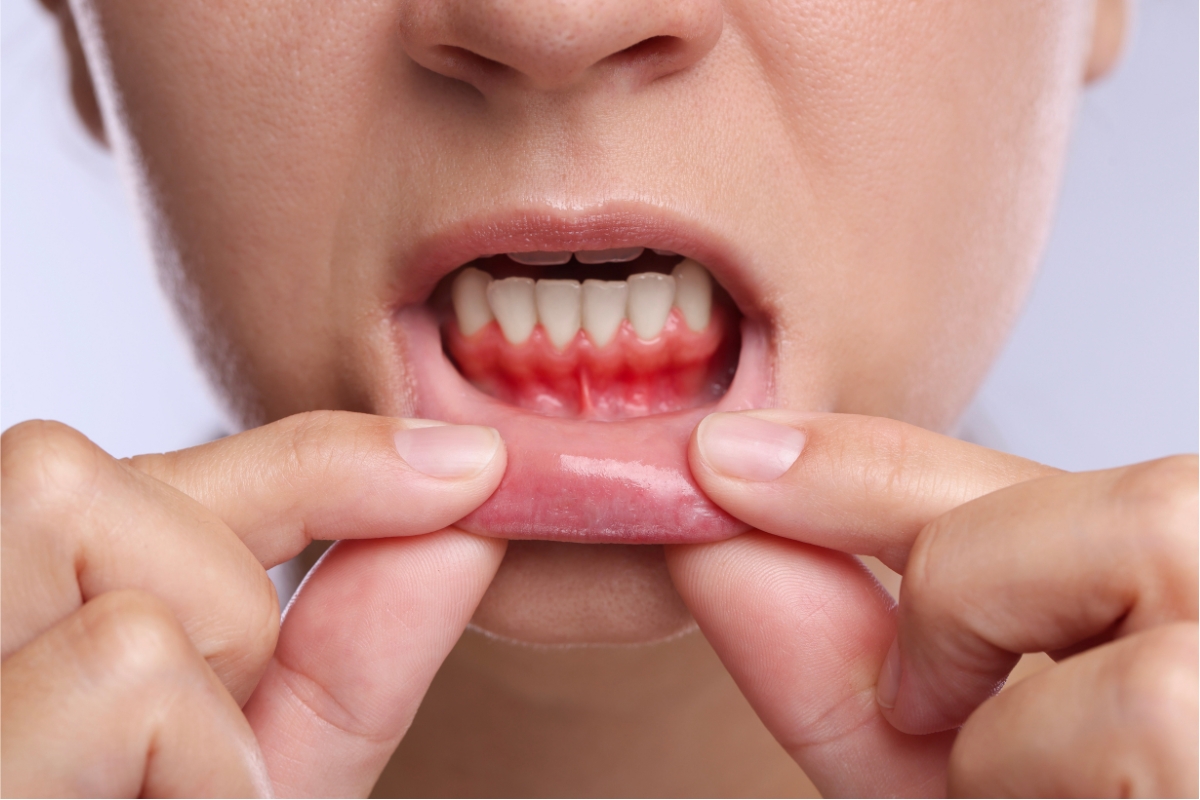




Healthy gums are the foundation of a confident smile and lasting oral wellness. Yet, when plaque and tartar build up below the gumline, it can lead to gum disease—silently weakening that foundation. For many people, this can result in bleeding gums, bad breath, and even tooth loss over time. That’s where periodontal scaling and root planing becomes a crucial treatment to restore gum stability and promote long-term oral health.
If you’ve been noticing early signs of gum disease or have been advised to undergo this deep cleaning procedure, understanding its long-term benefits can help you make informed decisions about your oral care.
Understanding Periodontal Scaling and Root Planing
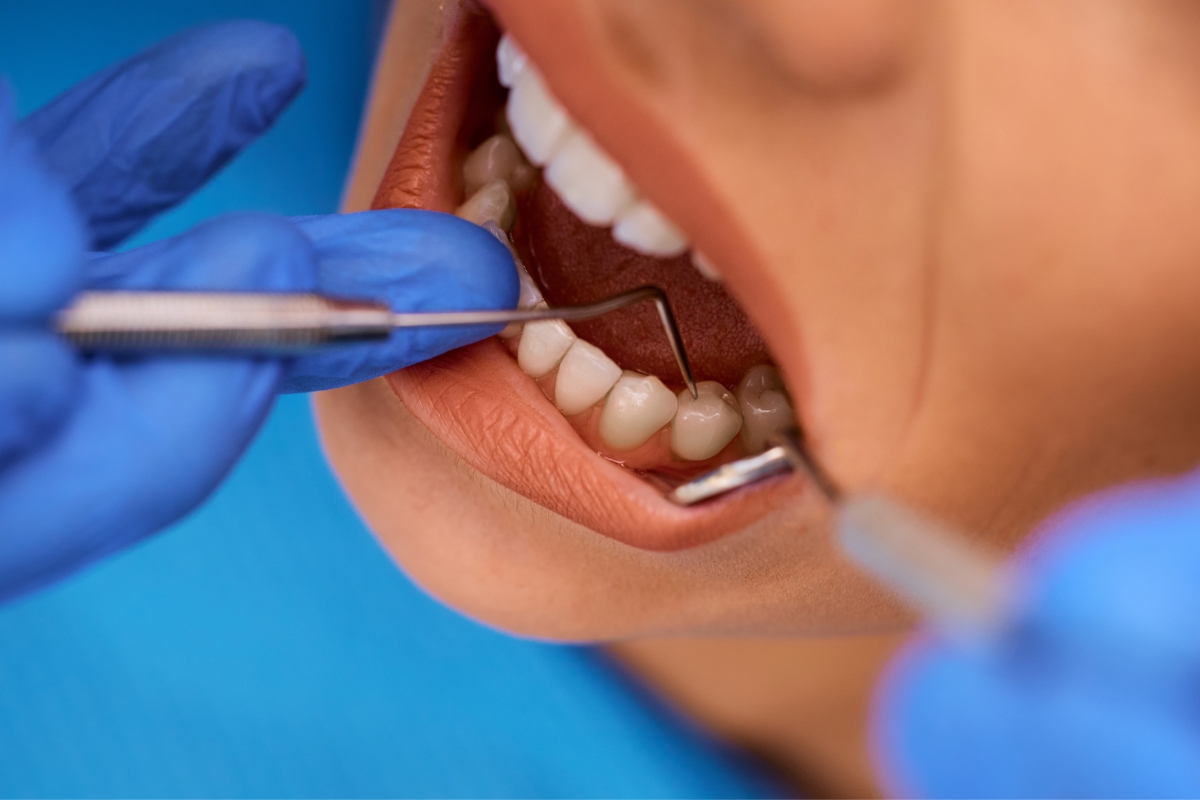
Periodontal scaling and root planing, often referred to as a “deep cleaning,” is a non-surgical treatment for gum disease. It involves two main steps:
- Scaling: The removal of plaque, tartar, and bacteria from beneath the gumline.
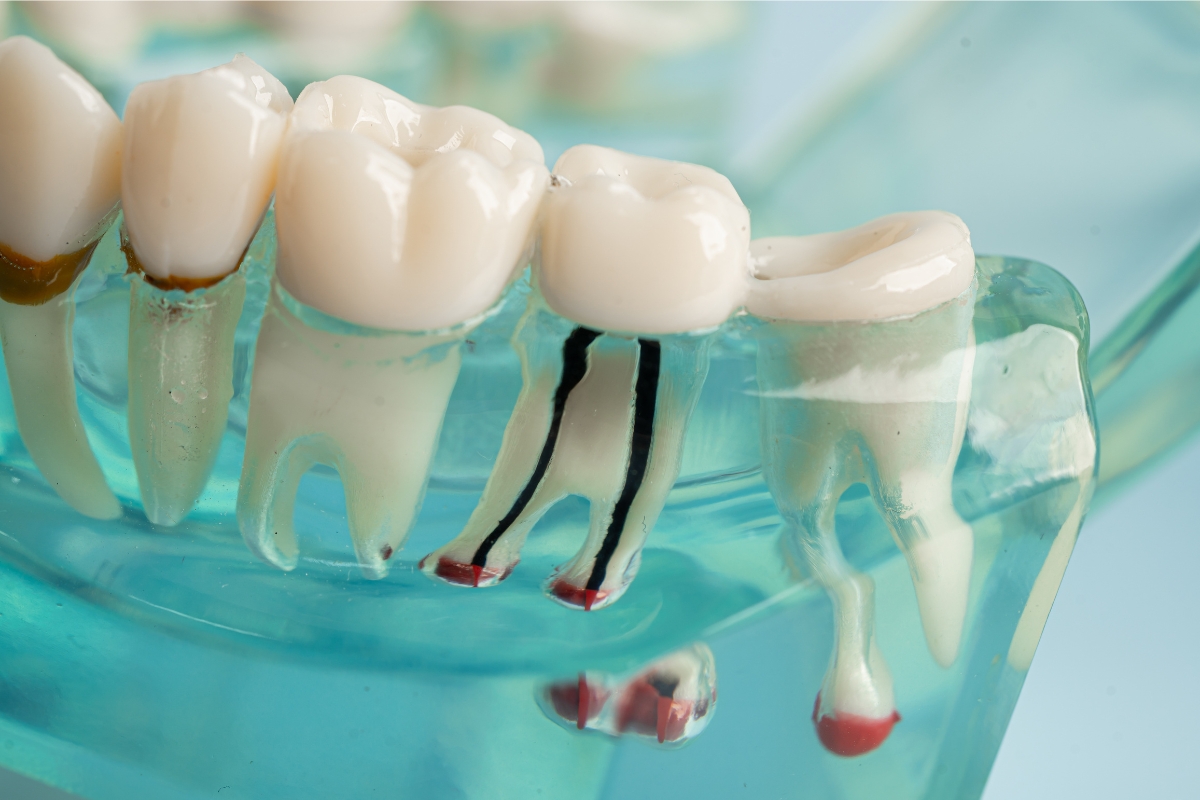
- Root Planing: Smoothing the tooth roots to help gums reattach and prevent further bacterial buildup.
According to the American Dental Association (ADA), this procedure is one of the most effective ways to treat early to moderate gum disease and prevent it from progressing into more severe stages that could threaten tooth retention.
How Periodontal Scaling and Root Planing Support Long-Term Oral Health
Improves Gum Stability
When harmful bacteria are removed through scaling, inflammation reduces, allowing the gums to heal and tighten around your teeth. This strengthens the bond between gums and teeth, improving gum stability and reducing the chances of gum recession. Over time, consistent care after this treatment helps maintain healthier gum tissue and prevents recurring infections.
Promotes Tooth Retention
Untreated gum disease is one of the top causes of adult tooth loss. As the disease progresses, the bone and tissues supporting your teeth weaken. By removing bacteria and smoothing the roots through root planing, your gums have a better chance to recover, which directly supports tooth retention. Many patients who receive scaling and root planing early can preserve their natural teeth for years instead of requiring extractions or dental implants later.
Reduces Risk of Systemic Health Issues
Gum disease isn’t limited to your mouth—it can have effects on your entire body. Studies have shown that chronic gum inflammation is linked to conditions like heart disease, diabetes, and even respiratory illnesses. By controlling bacterial growth through scaling and root planing, you reduce inflammation, potentially lowering your risk for these systemic health problems.
This connection highlights why treating your gums is a step toward improving long-term oral health and your overall well-being.
Enhances Breath and Overall Comfort
Persistent bad breath often stems from bacteria hiding beneath the gumline. Removing this buildup not only freshens your breath but also helps reduce gum tenderness and discomfort. Patients frequently report their mouths feeling cleaner and healthier after the procedure, making daily maintenance more pleasant and effective.
Supports Better Maintenance Care
After periodontal scaling and root planing, your periodontist typically recommends a personalized maintenance care schedule. This includes more frequent cleanings and home care routines to ensure that the gums remain stable.
For instance, a periodontist may recommend follow-up visits every three to four months, depending on your gum health status. Staying consistent with these visits is key to preventing reinfection and maintaining your results long-term.
Long-Term Cost Savings
While the treatment may seem like an investment upfront, it can save significant costs over time. Preventing tooth loss and advanced gum surgery means fewer major dental procedures down the road. Many dental insurance plans also recognize the preventive value of scaling and root planing, covering a substantial portion of the treatment cost.
Data-Based Perspective on Gum Health
According to research published by the Centers for Disease Control and Prevention (CDC), nearly 47% of adults over 30 in the United States have some form of periodontal disease. However, studies show that with proper deep cleaning and follow-up maintenance, the risk of disease progression drops dramatically.
Patients who adhere to regular periodontal care schedules are up to 60% less likely to experience tooth loss compared to those who delay or avoid treatment. These findings emphasize how effective deep cleaning can be for preserving your smile’s health and structure over the long run.
How to Maintain Results After Treatment
To extend the benefits of scaling and root planing, adopt these simple yet effective practices:
- Brush twice daily using a soft-bristled toothbrush and fluoride toothpaste.
- Floss or use interdental brushes to remove debris from tight spaces.
- Avoid tobacco products, as they slow healing and increase infection risk.
- Schedule regular follow-up visits with your periodontist for maintenance cleanings.
- Eat a balanced diet rich in vitamins and minerals that support gum healing.
By following these steps, you can help your gums stay firm, healthy, and infection-free for years to come.
Frequently Asked Questions (FAQs)
1. Is periodontal scaling and root planing painful?
Most patients experience minimal discomfort. Local anesthesia is typically used to ensure comfort during the procedure. Some tenderness may follow, but it usually subsides within a few days.
2. How long do results last after treatment?
With proper oral hygiene and regular maintenance visits, the results can last for years. The gums can stay healthy and stable if you follow your periodontist’s advice.
3. Will insurance cover scaling and root planing?
Many dental insurance providers cover part or all of the cost, especially when diagnosed as a medically necessary treatment for periodontal disease. Check with your provider for specific details.
4. Can scaling and root planing reverse gum disease completely?
While it may not completely reverse advanced stages, it can stop disease progression and restore gum health in mild to moderate cases.
Strengthen Your Smile for the Future
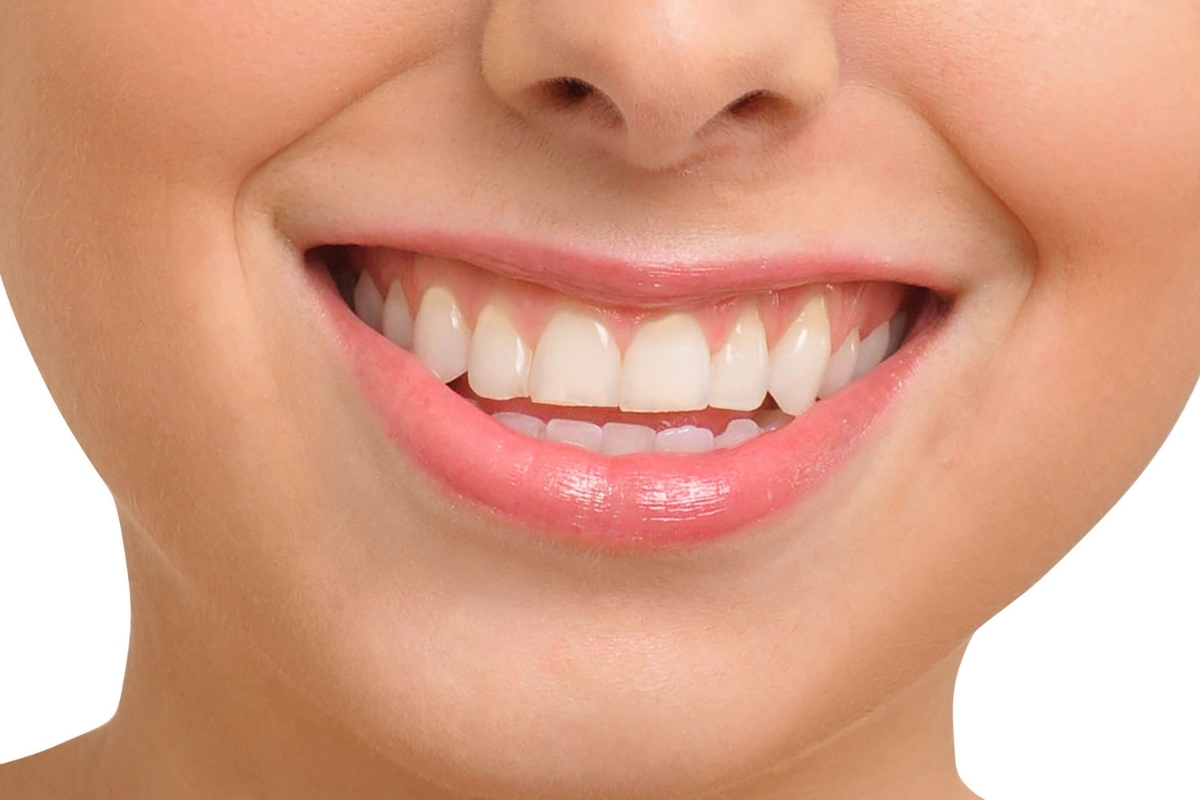
Healthy gums play a vital role in maintaining the integrity of your entire smile. Periodontal scaling and root planing not only treat active gum disease but also create the foundation for lasting oral stability and confidence. If you’ve noticed bleeding gums, persistent bad breath, or loose teeth, don’t wait for the symptoms to worsen.
Schedule an appointment with your trusted local periodontist today to take the next step toward strong gums, lasting teeth, and a healthier smile.