




It’s a strange feeling. Your teeth don’t hurt, but your gums feel irritated—almost ticklish in a way that won’t go away. You brush again. You floss more carefully. Maybe you even rinse with mouthwash. Still, the sensation lingers.
If you’ve been dealing with itchy gums, you’re probably wondering whether it’s something minor or a sign of a deeper issue. While occasional gum irritation can happen to anyone, persistent itching may be one of the early periodontal symptoms your body uses to signal inflammation.
For many adults in Wheat Ridge, CO, busy schedules make it easy to brush off subtle changes in oral health. But paying attention early can help you avoid more complex problems later.
What Causes Itchy Gums?
Gum tissue is sensitive. When something disrupts its balance—whether it’s bacteria, dryness, or irritation—you may notice tingling or itching along the gumline.
The most common reasons include:
- Buildup of plaque bacteria
- Early-stage gum disease
- Allergic reactions to oral care products
- Dry mouth
- Hormonal changes
Let’s break these down in a practical way.
Plaque Bacteria and Gum Irritation
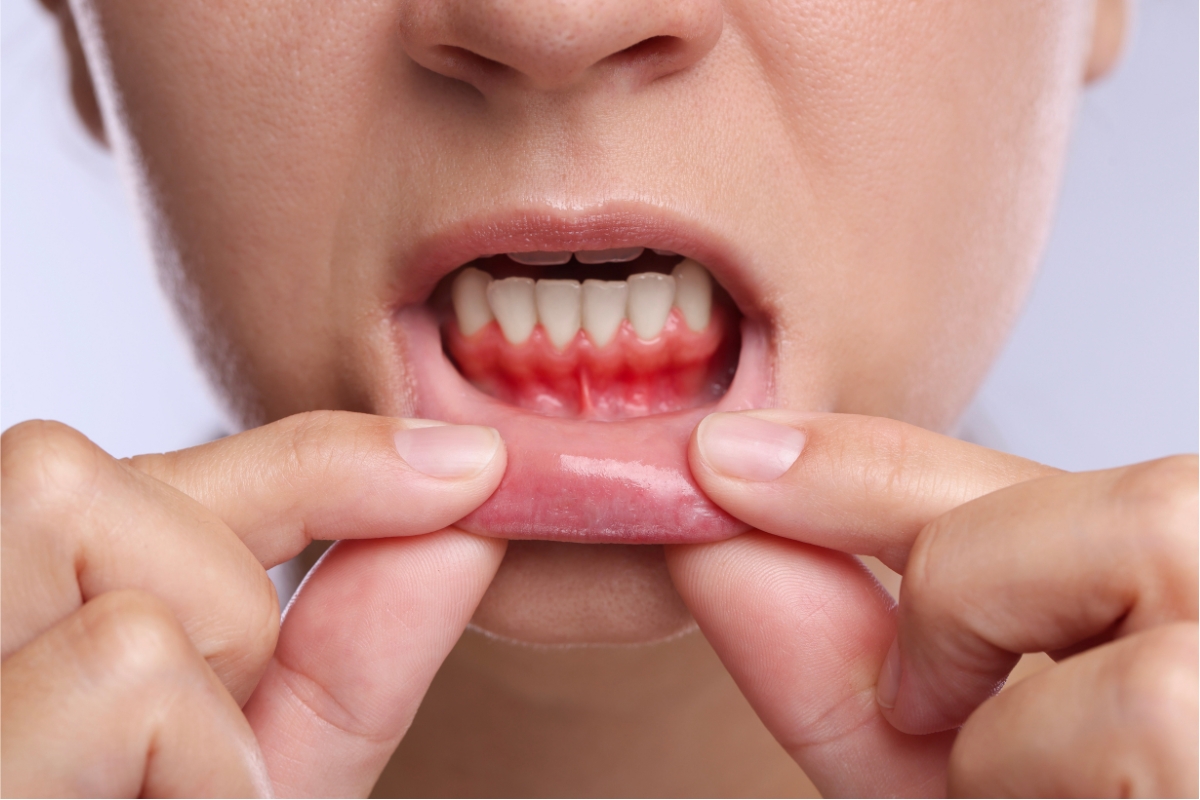
Every day, a thin film of plaque bacteria forms on your teeth. Even with consistent brushing, some areas—especially near the gumline—can be missed. When plaque sits too long, it irritates the surrounding tissue.
At first, the signs are mild:
- Slight swelling
- A pink-to-red color change
- Bleeding when flossing
- A subtle itchy sensation
This early inflammation is often reversible. However, if plaque bacteria remain, the condition can progress beyond simple irritation.
A periodontist often sees patients who ignored mild symptoms for months because there wasn’t any pain. Gum disease rarely starts with severe discomfort—it starts quietly.
Itchy Gums as an Early Periodontal Symptom
One of the lesser-known early periodontal symptoms is persistent gum itching. Before deeper infection develops, your immune system reacts to bacterial buildup by increasing blood flow to the area. That reaction can create tingling, sensitivity, or itching.
According to national data from the American Dental Association, nearly half of U.S. adults over age 30 experience some form of gum disease. Many cases begin with subtle warning signs rather than pain.
When caught early, a periodontist can often manage the issue with non-surgical treatments such as scaling and root planing. Addressing it early helps protect both gum tissue and the bone that supports your teeth.
Could It Be an Allergic Reaction?
Not all itchy gums are related to periodontal disease. Sometimes the cause is as simple as switching toothpaste.
Common triggers include:
- Whitening formulas
- Strong flavoring agents like cinnamon
- Alcohol-based mouthwashes
- Certain foods
Allergic reactions usually appear quickly after exposure. If you recently changed oral care products and the itching began shortly after, that connection is worth considering.
Try returning to a mild, fragrance-free toothpaste for a week. If the irritation continues, a periodontist can help rule out underlying gum inflammation.
Dry Climate and Gum Sensitivity in Wheat Ridge, CO
Colorado’s dry air plays a role in oral health more than many people realize. When saliva levels drop, your mouth loses one of its natural defenses against plaque bacteria.
Saliva helps:
- Neutralize acids
- Wash away debris
- Support healthy gum tissue
Without enough moisture, gums may feel irritated or itchy more easily. Staying hydrated and limiting caffeine or alcohol can help reduce dryness.
Residents in Wheat Ridge, CO who spend time outdoors hiking or exercising may experience dehydration more often, which can quietly affect gum comfort.
Hormonal Changes and Gum Health
Hormonal shifts—such as during pregnancy or menopause—can increase gum sensitivity. Higher hormone levels may intensify the body’s response to plaque bacteria, making irritation more noticeable.
Even if your oral hygiene habits haven’t changed, your gums may react differently during these times. A periodontist can evaluate whether symptoms are temporary or part of early periodontal symptoms that need attention.
When Should You See a Periodontist?
Occasional itching that resolves within a few days may not be concerning. However, you should consider an evaluation if you notice:
- Bleeding when brushing
- Receding gums
- Persistent bad breath
- Gum tenderness
- Teeth feeling slightly loose
Gum disease progresses gradually. By the time pain appears, tissue damage may already be present. Early assessment by a periodontist allows for conservative treatment options and better long-term outcomes.
What Happens During a Periodontal Evaluation?
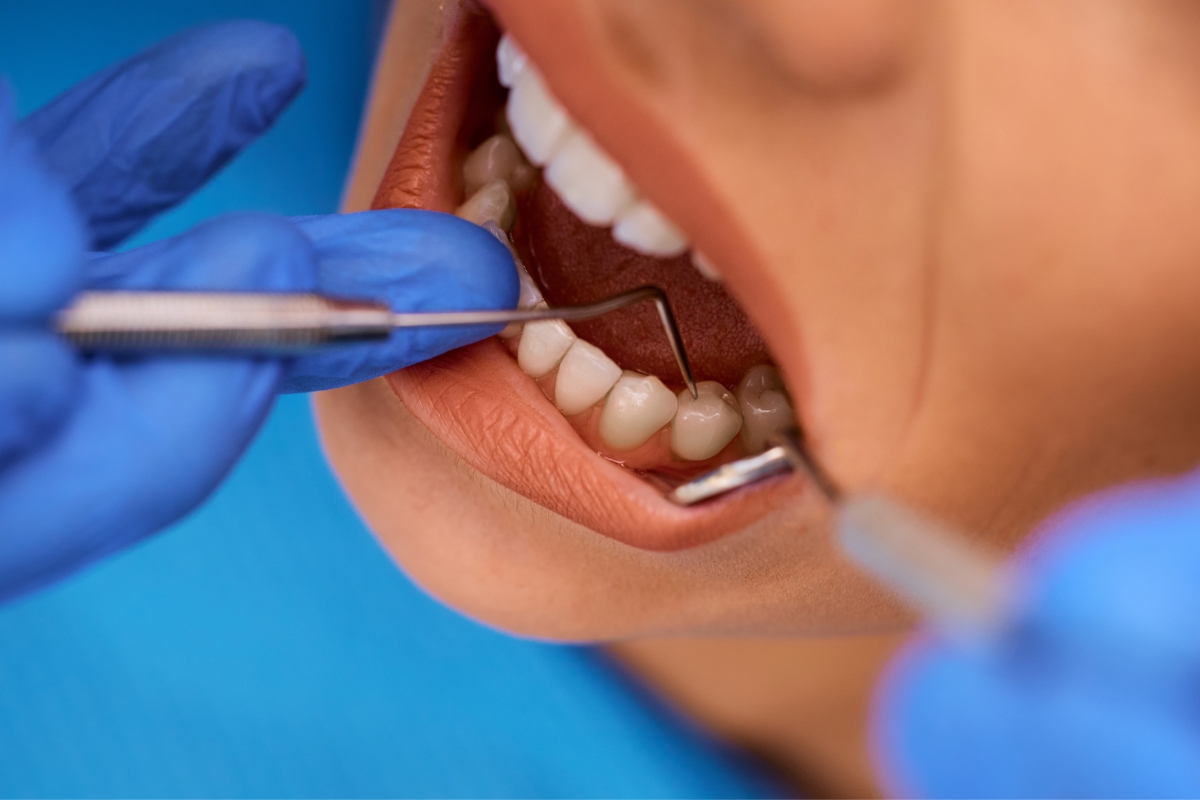
If you visit a periodontist for itchy gums, the appointment typically includes:
- Measuring gum pocket depths
- Checking for bleeding points
- Reviewing X-rays for bone levels
- Discussing home care habits
In many cases, a professional cleaning and improved daily hygiene can resolve early inflammation. For more advanced concerns, targeted periodontal therapy may be recommended.
The focus is on preserving your natural teeth while restoring gum stability.
Simple Steps to Reduce Gum Itching at Home
While professional care is important, daily habits make a difference.
Brush Gently but Thoroughly
Use a soft-bristled toothbrush and avoid aggressive scrubbing.
Floss Consistently
Flossing removes plaque bacteria where brushes can’t reach.
Stay Hydrated
Especially in Wheat Ridge’s dry climate, regular water intake supports saliva flow.
Avoid Irritating Products
If your gums are sensitive, skip strong whitening pastes for now.
Monitor Changes
If itching lasts longer than a week or worsens, don’t ignore it.
FAQs About Itchy Gums
Are itchy gums always serious?
Not always. They can be caused by minor irritation. However, persistent itching may indicate early periodontal symptoms that require evaluation.
Can gum disease start without pain?
Yes. Gum disease often begins with mild inflammation, redness, or itching before pain develops.
How quickly can plaque bacteria cause irritation?
Plaque can begin irritating gum tissue within 24–48 hours if not removed properly.
Is dry mouth linked to gum problems?
Yes. Reduced saliva allows plaque bacteria to thrive, increasing the risk of gum inflammation.
Listening to What Your Gums Are Telling You
Your gums rarely send loud warning signals. Instead, they communicate through small changes—itching, slight swelling, occasional bleeding. These signs are easy to dismiss, but they matter.
If you’re experiencing itchy gums that don’t resolve on their own, it may be time to have a periodontist take a closer look. Early evaluation can help identify whether plaque bacteria, irritation, or early periodontal symptoms are involved.
For residents in Wheat Ridge, CO, staying proactive about gum health supports long-term comfort and confidence. If you’ve noticed ongoing gum irritation, consider reaching out to a qualified periodontist and schedule an appointment to protect your smile before minor symptoms turn into larger concerns.