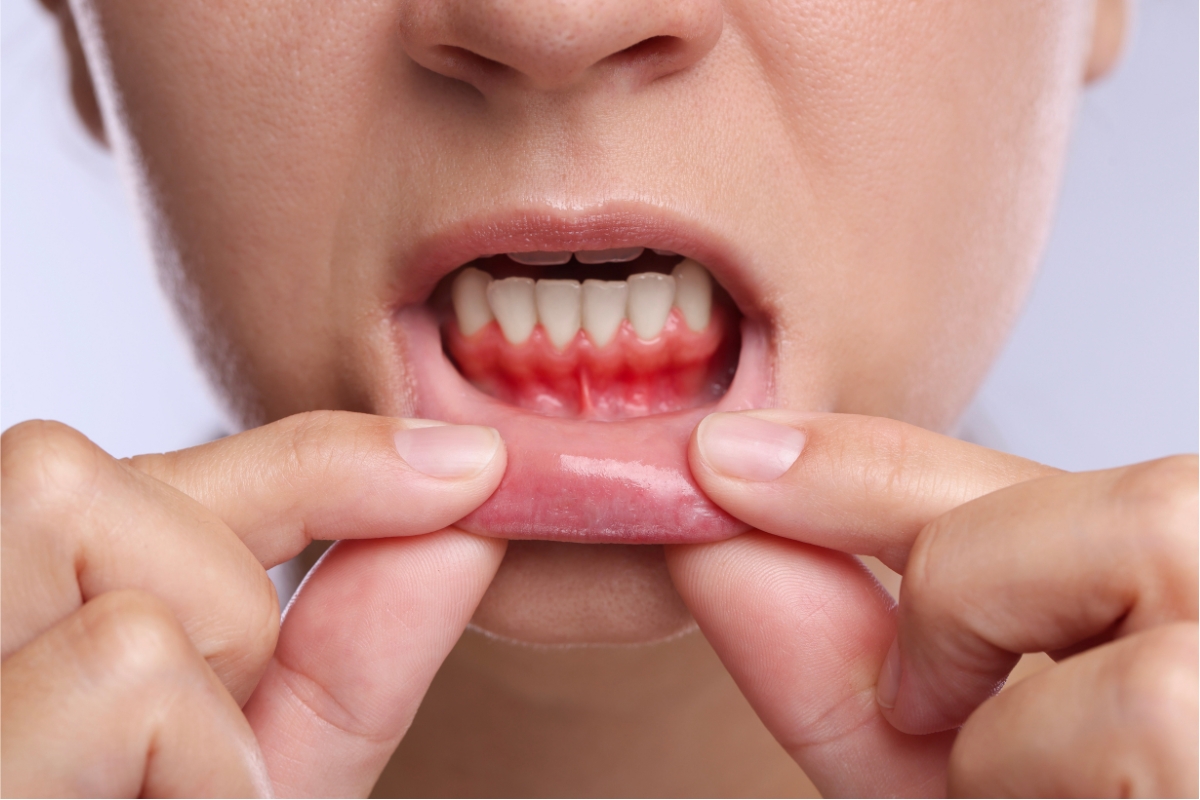





You might not think much about your gums—until something starts to feel different. Maybe your toothbrush shows a hint of pink, your gums feel tender, or your breath isn’t as fresh as it used to be. These small changes can create quiet worry, especially when you’re unsure whether the issue is temporary or something that needs professional attention.
Many adults in Wheat Ridge, CO lead active, busy lives, and oral health can sometimes slip down the priority list. But when gum symptoms appear, it’s natural to wonder what treatment looks like and whether medication alone can solve the problem.
If you’ve been researching antibiotics for periodontal disease, you’re not alone. It’s one of the most common questions patients ask when they learn they may have a bacterial infection in gums. While antibiotics can help in certain situations, they usually work best as part of a larger periodontal disease treatment plan rather than a quick fix.
Understanding how they fit into care can help you make confident, informed decisions about your gum health.
What Is Periodontal Disease?
Periodontal disease is a progressive condition caused by bacteria accumulating around the gumline. It often begins as mild inflammation but can advance into deeper infection if left untreated.
According to the Centers for Disease Control and Prevention (CDC), nearly 4 in 10 U.S. adults aged 30 and older live with some form of periodontitis, making it one of the most widespread oral health concerns.
Early detection matters because damage from gum disease is often preventable.
Signs Your Gums May Need Attention
- Bleeding when brushing or flossing
- Puffy or sensitive gums
- Gum recession
- Chronic bad breath
- Teeth that feel slightly loose
If you’ve caught yourself searching for a periodontist near me, it may be your instincts telling you it’s time for a closer look.
Where Do Antibiotics Fit Into Treatment?
When infection is present, reducing harmful bacteria becomes a priority. That’s where antibiotics for gum disease may come in. These medications are designed to slow bacterial growth and support the body’s healing response.
However, antibiotics cannot remove plaque or tartar. Physical buildup must be addressed first through professional cleaning methods such as scaling and root planing, often described as a deep cleaning for gums.
Think of it this way: cleaning removes the source, while antibiotics help manage what remains.
Types of Antibiotics Used in Gum Infection Treatment
Dental providers choose treatments based on the severity of infection, medical history, and how your gums respond to care.
Oral Antibiotics
Oral antibiotics travel through the bloodstream to reach infected areas. They are sometimes recommended when inflammation is widespread or when standard therapies need reinforcement.
Topical Antibiotics Dental Providers Apply
These are placed directly into periodontal pockets after cleaning. Because the medication is localized, it targets bacteria more precisely and supports dental infection control without affecting the entire body.
Both approaches can be helpful, but neither replaces the importance of mechanical treatment.
Why Deep Cleaning Still Leads the Way
One of the most effective forms of non-surgical gum treatment is scaling and root planing. During this procedure, your dental professional carefully removes hardened deposits and smooths root surfaces so bacteria have fewer places to hide.
Research in periodontal care has shown that pairing deep cleaning with antibiotics can improve healing outcomes for some patients, particularly those with deeper pockets.
Still, antibiotics alone rarely provide lasting results. Without removing buildup, bacteria tend to return.
If you’re unsure what level of care you need, visiting a periodontist near you can help clarify the best next step.
When Are Antibiotics Typically Recommended?
Not every case requires medication. Providers usually consider antibiotics when:
- Infection is moderate to severe
- Gum pockets remain deep after treatment
- Symptoms continue despite good hygiene
- The body needs extra support to control bacteria
A personalized evaluation ensures that treatment aligns with your specific needs rather than taking a one-size-fits-all approach.
The Importance of Periodontal Maintenance
After initial therapy, maintenance visits help keep your gums stable. These appointments go beyond standard cleanings by focusing on areas vulnerable to reinfection.
Patients who stay consistent with periodontal maintenance often experience fewer complications and better long-term gum health.
In a health-conscious community like Wheat Ridge, preventive care is becoming a shared priority. Many people are realizing that protecting their smile today can help them avoid more complex procedures later.
Benefits — and Realistic Expectations
Antibiotics can be helpful, but understanding their role prevents unrealistic expectations.
What They Can Do
- Lower bacterial levels
- Support healing after procedures
- Reduce inflammation
- Strengthen overall periodontal disease treatment
What They Cannot Do
- Remove tartar
- Reverse advanced bone loss
- Replace professional care
- Prevent recurrence without maintenance
A balanced treatment plan is what truly protects gum health.
Everyday Habits That Support Healing
Professional care is only part of the picture. Your daily routine has a powerful influence on recovery and prevention.
Helpful habits include:
- Brushing gently twice a day
- Cleaning between teeth consistently
- Using antimicrobial rinses if advised
- Staying hydrated
- Avoiding tobacco
- Keeping regular dental visits
Small routines often create the biggest long-term impact.
A Local Reminder About Early Care
Many patients say they almost ignored their symptoms because nothing hurt at first. Gum disease can be subtle, but acting early often means simpler treatment and better outcomes.
If you’ve recently searched for a periodontist near you, it may be worth listening to that inner nudge. Having your gums evaluated provides clarity and helps prevent minor concerns from becoming larger ones.
Care that begins at the right time often feels more manageable—and far less stressful.
Moving Toward Healthier Gums
Learning you may have gum disease can feel overwhelming at first, but effective care is available—and often more comfortable than people expect. Antibiotics can play an important supporting role, yet the real strength lies in a thoughtful combination of professional treatment and everyday prevention.
Pay attention to what your gums are telling you. Seeking guidance early can protect your smile, your comfort, and your confidence. When you’re ready for clarity about your gum health, taking the next step to schedule an appointment can set you on a path toward steadier, healthier days ahead.
Frequently Asked Questions
Do antibiotics cure periodontal disease?
No. They help control bacteria but work best alongside treatments like scaling and root planing.
How quickly do antibiotics improve gum infections?
Some relief may appear within days, but full healing depends on comprehensive care and follow-up.
Are antibiotics used for every patient?
Not always. Many mild cases respond well to deep cleaning alone.
Is non-surgical gum treatment effective?
Yes. For many patients, it successfully manages infection and supports healthier gums without surgery.
When should I see a specialist?
If symptoms persist or worsen, connecting with a periodontist can help you explore targeted solutions.