



Dental implants are meant to feel stable, secure, and worry-free. So when one begins to feel loose, painful, or inflamed, it can create a real sense of uncertainty. Many patients in and around Wheat Ridge experience this concern at some point, and it raises an important question: can a periodontist fix a failed dental implant?
Before we get into solutions, it helps to understand why implant failure happens and what a trained periodontist can do to restore comfort and function.
A failed implant does not always mean you need to start over. With today’s technology and careful evaluation by the right periodontist, many implants can be repaired, stabilized, or replaced with better long-term success.
Understanding Why Dental Implants Fail
Most dental implants function for decades. According to clinical data, success rates often remain above 94–96% over long-term evaluation. Yet, in a small percentage of cases, problems can develop. These issues usually fall into two broad categories:
Early Implant Failure
This happens shortly after placement—often within the first few months. Common factors include:
- Lack of proper bone integration
- Excessive pressure on the implant
- Systemic health conditions that affect healing
- Poor oral hygiene during early recovery
Late Implant Failure
This type appears years later and is often linked to:
- Peri-implantitis (gum inflammation around the implant)
- Bone loss due to infection
- Long-term bite imbalance
- Aging prosthetic parts
- Lifestyle factors such as smoking
If any of these signs appear—looseness, swelling, discomfort, or changes in bite—getting an evaluation quickly can prevent further complications.
Why a Periodontist Is Often the Best Specialist for Implant Problems
When patients begin searching for an implant dentist Wheat Ridge residents can trust, many find themselves directed to a periodontist. There is a reason for this. Periodontists are specialists who focus on the gums, bone, and support structures that hold implants in place. They diagnose and treat the same conditions that commonly lead to implant failure.
Their training and surgical experience make them well equipped to handle:
- Peri-implantitis treatment
- Bone grafting
- Soft-tissue repair
- Implant repair or stabilization
- Revision surgery when necessary
In many cases, addressing a failing implant early gives a periodontist the opportunity to save it before it requires complete replacement.
What a Periodontist Does When a Dental Implant Fails
A thoughtful, step-by-step diagnostic approach is essential. Here’s what typically happens during a visit:
Comprehensive Evaluation
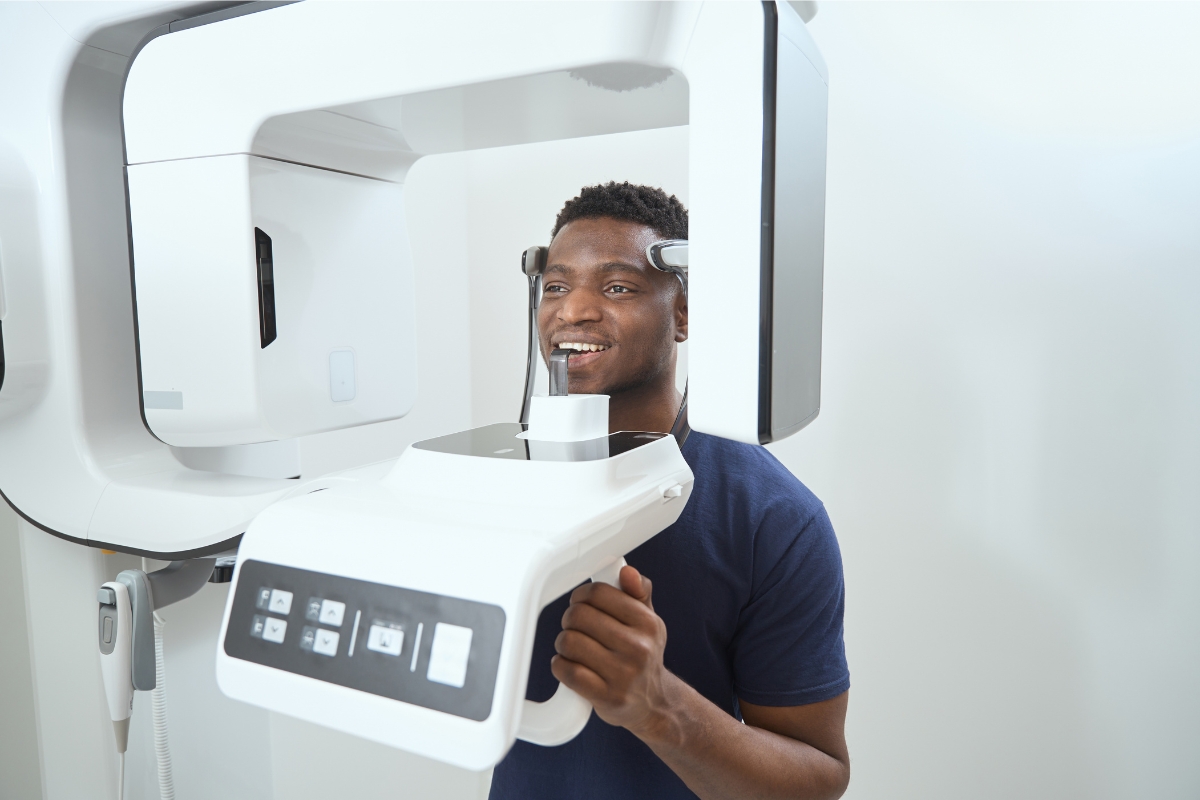
The periodontist examines gum health, takes X-rays or 3D imaging, and measures bone levels. This helps determine whether the implant can be repaired or needs revision surgery.
Treating Infection or Peri-Implantitis
If peri-implantitis is the cause, treatment may include:
- Deep cleaning around the implant
- Antimicrobial therapy
- Laser therapy
- Correcting bite forces
- Regenerative procedures to rebuild bone or gum tissue
Implant Repair vs. Replacement
Some implants can be saved with tightening, cleaning, or component replacement. Others may require removal if bone loss is too advanced. Even when removal is necessary, many patients can receive a new implant after healing or bone grafting.
Planning for Long-Term Stability
A periodontist also reviews lifestyle habits, medical factors, and oral hygiene routines—because keeping a repaired or replaced implant healthy is essential for long-term success.
Local Insight: Implant Issues in Wheat Ridge
Residents in Wheat Ridge often lead active, outdoor-driven lifestyles, which is great for overall health but can sometimes increase the chance of accidents or bite trauma. A sudden impact—from biking, skiing, or other physical activities—can stress an implant or loosen components over time.
Local practices familiar with community routines can offer tailored advice, including preventive bite guards, monitoring after injuries, and guidance for improving implant longevity.
Is Revision Surgery Common?
Revision surgery sounds overwhelming, but it is often straightforward. Modern techniques allow for targeted bone regeneration, better implant design, and improved positioning.
Success rates for revision procedures continue to rise, especially when handled by a periodontist trained in advanced implant technology.
Many patients report feeling relieved once they understand that implant failure doesn’t necessarily mean they’ve “lost everything”—it simply means the implant needs the right expert attention.
How to Know if You Should See a Periodontist
You should schedule an evaluation if you notice:
- Redness or swelling around the implant
- Bleeding when brushing
- A sensation of movement
- Pain during chewing
- Bad taste or persistent odor near the implant
- A crown that feels off-center
If you think something isn’t right, trust your instincts. Early action prevents extensive damage and often increases the likelihood that the implant can be saved.
Preventing Implant Failure After Repair
Once an implant is repaired or replaced, protecting it is essential. Your periodontist may recommend:
- More frequent cleanings
- Night guards if grinding is an issue
- Smoking cessation support
- Regular X-rays to monitor bone levels
- Reinforced oral hygiene routines
These small steps significantly reduce the chance of future problems.
FAQs
Can a failed dental implant always be repaired?
Not always, but many can. The earlier a periodontist evaluates the issue, the higher the chance of successful repair.
How long does treatment for implant failure take?
Depending on the cause, treatment can range from a single visit cleaning to a more complex multi-step process involving grafting and replacement.
Is peri-implantitis reversible?
Early-stage peri-implantitis often responds well to treatment. Advanced cases may require regenerative surgery.
What causes an implant to loosen?
This can be due to bone loss, gum disease, bite imbalance, or component wear. A periodontist can evaluate the exact reason.
Is revision surgery painful?
Most patients report mild discomfort, similar to the original implant procedure. Modern anesthesia and post-care make recovery manageable.
Final Thoughts
A failed implant can feel discouraging, but the right specialist can restore stability, comfort, and confidence. Periodontists are uniquely trained to diagnose implant failure, address underlying conditions, and perform implant repair or revision surgery with precision. If you’re experiencing symptoms or simply want peace of mind, reach out for a professional evaluation.
Your oral health is worth the attention—and it may be time to schedule an appointment to ensure your implant stays healthy for years to come.