



Thinking about dental implants can bring up a lot of questions. One of the most common—and most worrying—is whether your body might reject the implant. It’s a reasonable concern, especially if you’ve heard stories about organ transplants not being accepted by the body.
If you’ve been looking into dental implants Wheat Ridge patients often choose, you may have come across this idea more than once. The thought of something failing inside your body can feel unsettling. But here’s where things get clearer: dental implants don’t behave the same way as transplanted organs.
Understanding what really happens can help ease that uncertainty and give you a more accurate picture.
Is Implant “Rejection” the Right Term?
The word “rejection” sounds serious, but it doesn’t quite apply the same way in dentistry.
How the Body Reacts to Organ Transplants
With organ transplants, the body may recognize the new organ as foreign and trigger an immune response. This can lead to rejection unless managed with medication.
How Dental Implants Are Different
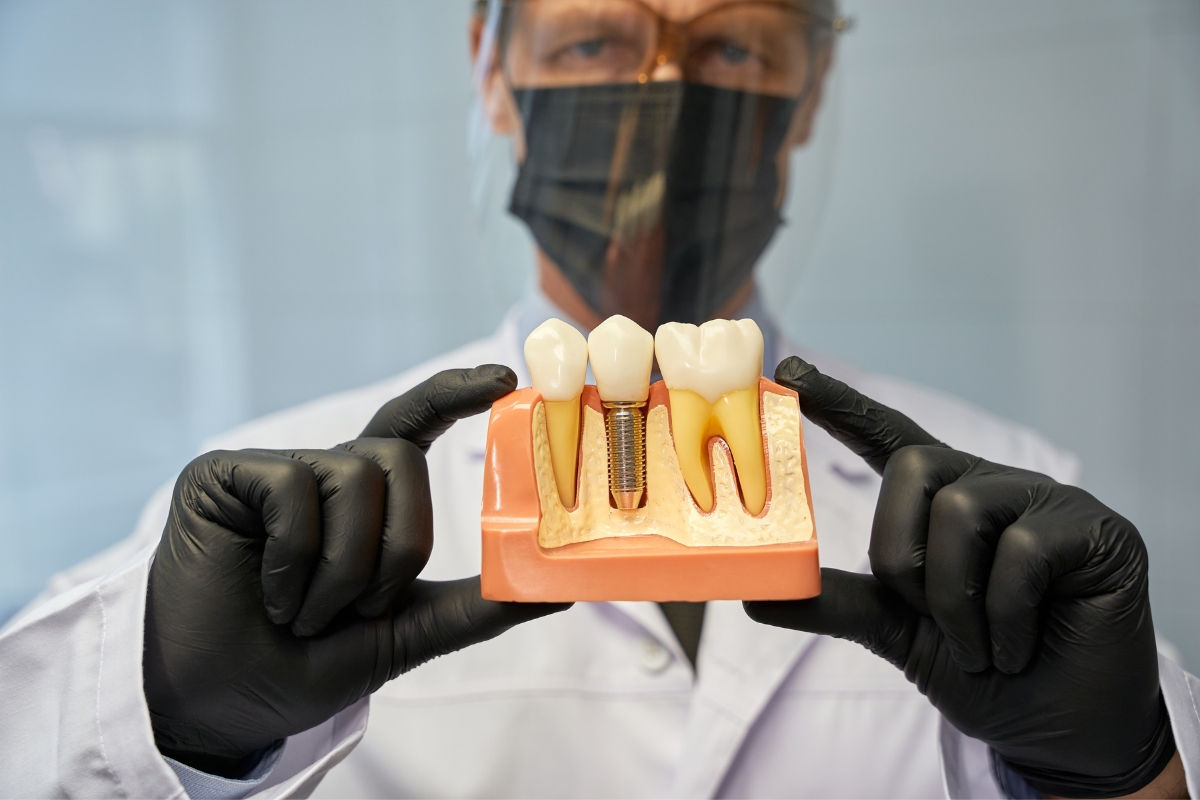
Dental implants are usually made from materials like titanium that are designed to work well with the body. Instead of being attacked, they are typically accepted and supported by the surrounding bone.
So rather than rejection, the focus is on how well the implant integrates.
Dental Implants in Wheat Ridge: What Happens After Placement
When you receive dental implants Wheat Ridge providers offer, your body begins a natural healing process.
The Role of Integration
After placement, the implant doesn’t just sit in the bone—it becomes part of it. This process, known as integration, allows the bone to grow around the implant and hold it firmly in place.
Why This Process Matters
A successful integration means the implant can function like a natural tooth root. It provides stability for chewing and supports long-term oral health.
Where the Implant Rejection Myth Comes From
The idea of implants being rejected often comes from misunderstanding what implant failure looks like.
Common Misinterpretations
- An implant that becomes loose
- Swelling or discomfort during healing
- Infection around the implant site
These situations are sometimes labeled as “rejection,” but they are usually related to healing challenges rather than the body attacking the implant.
What Can Actually Affect Implant Success?
While true rejection is rare, there are factors that can influence how well an implant heals.
Healing Conditions
The body needs time and the right conditions to support proper integration.
Oral Hygiene
Keeping the area clean helps prevent infection and supports healthy tissue.
Lifestyle Habits
Smoking, for example, can slow healing and affect outcomes.
Bone Health
A strong, healthy jawbone helps provide the support needed for the implant.
Patients who search for a periodontist near me often do so to ensure they’re getting expert care tailored to these factors.
What Do Studies Show?
Research consistently shows that dental implants have a high success rate—often above 90% in many cases. This means most implants integrate well and continue functioning for years.
When issues do occur, they’re typically linked to specific conditions that can often be managed or prevented.
Signs You Shouldn’t Ignore
Even though complications are not common, it’s important to stay aware during the healing process.
Watch for These Signs
- Ongoing pain that doesn’t improve
- Swelling that persists
- Movement or looseness in the implant area
- Gum irritation that doesn’t settle
If you notice any of these, it’s best to reach out to your provider early.
How to Support a Smooth Healing Process
Follow Instructions Carefully
Your dental team will give you specific aftercare steps. Following them closely can make a big difference.
Keep Up with Oral Care
Gentle, consistent cleaning helps protect the area as it heals.
Attend Follow-Ups
Regular visits allow your provider to check how the implant is integrating.
Life in Wheat Ridge, CO: A Practical Approach
In Wheat Ridge, CO, many people choose dental implants because they offer a reliable, long-term solution for missing teeth. Whether it’s for daily comfort or restoring confidence, implants are often part of a practical approach to oral health.
With proper care and guidance, patients in this area often experience strong, lasting results.
Final Thoughts
It’s completely normal to have concerns before choosing dental implants. The idea of rejection can sound serious, but in most cases, it’s based on a misunderstanding.
Dental implants are designed to work with your body, and for most people, they integrate successfully without issue. With the right care and support, they can become a stable and lasting part of your smile.
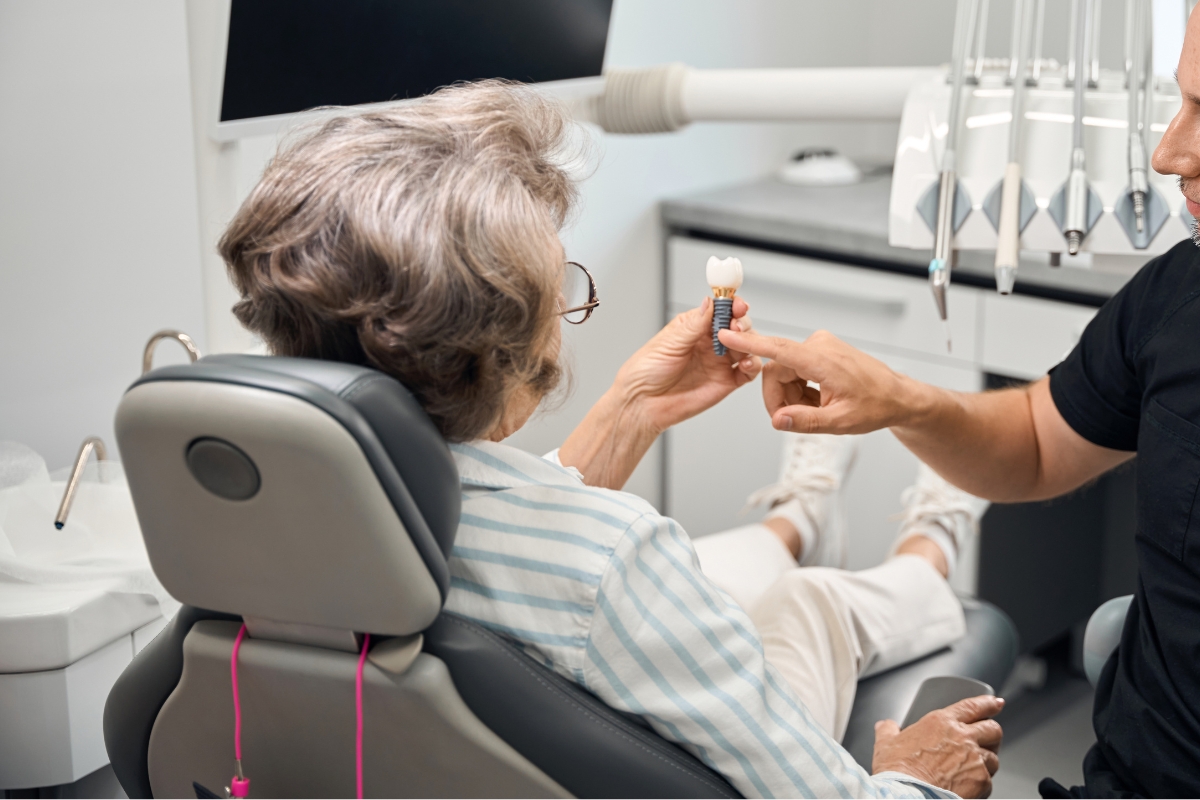
If you’re still unsure or want to talk through your options, you can always schedule an appointment and get guidance that’s tailored to your situation.
Frequently Asked Questions
Can your body reject a dental implant?
True rejection is very rare. Most issues are related to healing rather than the immune system.
What is integration in dental implants?
It’s the process where the implant bonds with the jawbone, creating stability.
How long does healing take?
It usually takes a few months, depending on the individual.
What increases the risk of complications?
Factors like smoking, poor hygiene, or certain health conditions can affect healing.
Are dental implants a long-term solution?
Yes, with proper care, they can last for many years.