




Most people think of a missing tooth as an aesthetic concern, but the effects go much deeper than appearance alone. Every tooth in your mouth plays a role in maintaining balance and supporting the teeth around it. When a tooth is lost, that balance is disrupted, and changes can begin to occur gradually throughout your smile.
The empty space left behind doesn’t always stay empty. Over time, nearby teeth may start to lean, rotate, or drift toward the gap. These subtle movements can eventually affect your bite, make cleaning more difficult, and increase the likelihood of future dental complications.
That’s one reason why replacing a missing tooth is often recommended sooner rather than later. For many patients, dental implants provide a solution that not only restores a missing tooth but also helps protect the overall structure of the smile.
If you’re considering tooth replacement, speaking with an experienced implant dentist Wheat Ridge patients depend on can help you understand how dental implants support both function and long-term oral health.
Why Tooth Alignment Matters
Teeth are designed to work together. Each tooth helps guide chewing movements and contributes to a stable bite. When all teeth are in their proper positions, everyday functions such as eating and speaking are typically more comfortable and efficient.
When a tooth goes missing, however, the remaining teeth can begin compensating for the lost support. This may cause gradual changes in alignment that affect not only appearance but also the way your teeth fit together.
Even a single missing tooth can have an impact on the overall harmony of your smile.
What Makes Dental Implants Different?
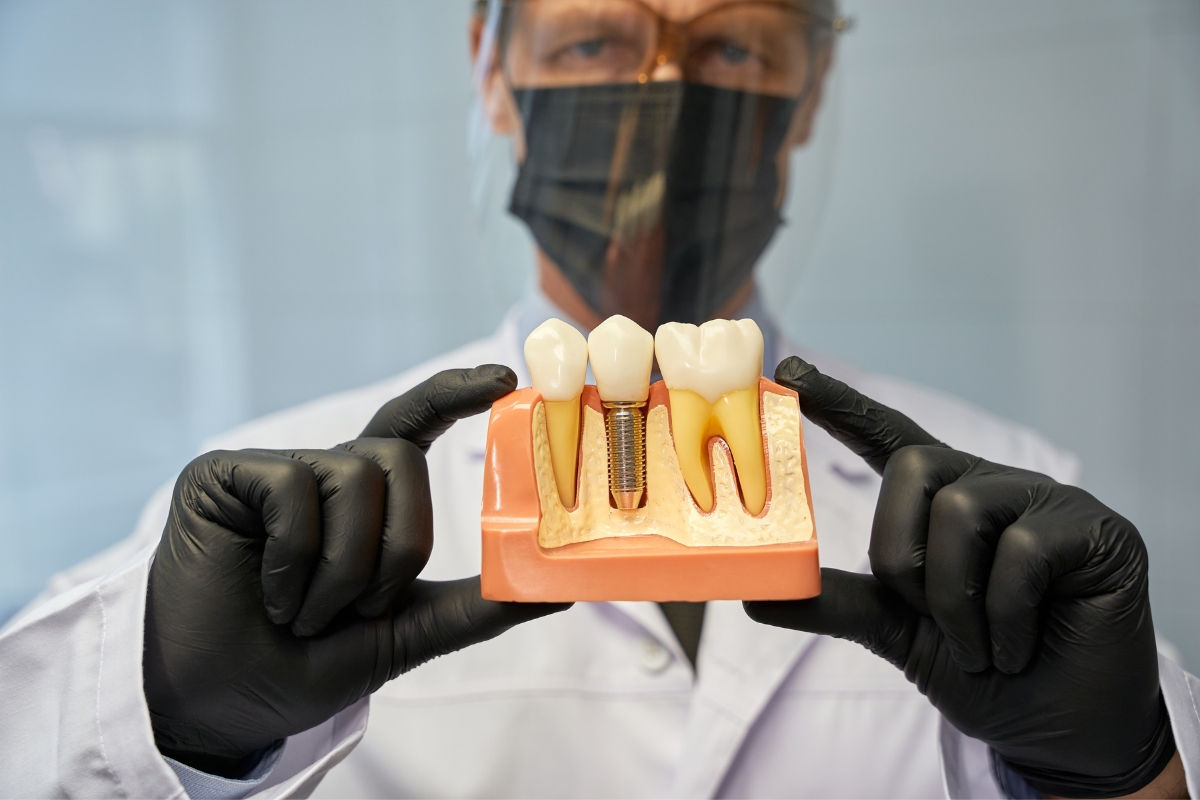
Dental implants are unique because they replace the entire tooth structure, including the root beneath the gums.
The treatment begins with the placement of a titanium implant into the jawbone. During healing, the bone naturally bonds with the implant, creating a secure foundation. Once the area has healed, a custom restoration is attached to complete the replacement.
Because the implant becomes integrated with the jawbone, it functions much more like a natural tooth than many traditional tooth replacement options.
Ways Dental Implants Support Proper Tooth Alignment
They Occupy the Empty Space
When a tooth is missing, surrounding teeth often begin shifting toward the open area. This movement may happen slowly, but it can eventually change the position of multiple teeth.
A dental implant fills the gap and helps preserve the spacing that already exists within the smile. By replacing the missing tooth, it reduces the opportunity for neighboring teeth to move out of place.
They Help Preserve Jawbone Volume
Healthy tooth roots stimulate the jawbone every day through normal biting and chewing. Once a tooth is lost, that stimulation disappears.
Without regular stimulation, the jawbone can gradually lose density and volume. As bone levels change, nearby teeth may lose some of the support that helps keep them stable.
Dental implants act as replacement roots, encouraging continued bone stimulation and helping maintain the foundation that supports surrounding teeth.
They Promote Better Bite Stability
A complete smile allows biting forces to be distributed more evenly throughout the mouth. Missing teeth can create imbalances that place extra pressure on certain areas.
Dental implants help restore support where it has been lost, allowing the bite to function more naturally. A more balanced bite can contribute to greater comfort and help reduce unnecessary stress on remaining teeth.
They Offer Long-Term Support
Unlike removable tooth replacement options, dental implants remain securely anchored in the jawbone. They do not slide, shift, or rely on neighboring teeth for support.
This stability can play an important role in maintaining the overall organization of the smile and reducing future alignment concerns.
They Help Maintain Everyday Oral Health
When teeth begin drifting out of position, it often becomes harder to clean between them effectively. Areas that are difficult to reach may allow plaque and bacteria to accumulate.
By helping preserve proper spacing, dental implants can make routine brushing and flossing easier, supporting healthier teeth and gums over time.
Additional Benefits Beyond Alignment
Patients often choose dental implants for reasons that extend beyond maintaining tooth position.
Some of the advantages include:
- A natural appearance that blends with existing teeth
- Strong chewing ability for a wider variety of foods
- Improved comfort compared to removable appliances
- Preservation of facial structure and bone support
- Long-lasting results with proper maintenance
- Greater confidence when smiling and speaking
Why a Periodontist Is an Important Part of Implant Care
The success of a dental implant depends heavily on the health of the gums and supporting bone. Periodontists have advanced training in diagnosing and treating conditions affecting these tissues.
Their expertise allows them to evaluate whether the bone and gums are healthy enough for implant placement and to recommend procedures when additional support is needed. This specialized knowledge helps create a strong foundation for long-term implant success.
A Healthy Smile Starts With a Strong Foundation
Replacing a missing tooth isn’t only about restoring appearance. It’s also about protecting the health, stability, and function of the rest of your smile.
Dental implants help maintain the natural spacing of teeth, support jawbone health, and contribute to a more balanced bite. By addressing tooth loss at its source, implants can help preserve your smile for years to come.
At Colorado Periodontal Associates, we provide advanced periodontal and implant care designed around each patient’s individual needs. Whether you’ve recently lost a tooth or have been living with missing teeth for years, our team can help you explore solutions that support lasting oral health.
Schedule an appointment with us today to find out whether dental implants are the right option for restoring and protecting your smile.
Frequently Asked Questions
Can a missing tooth cause my other teeth to move?
Yes. When a gap is left untreated, nearby teeth can gradually shift toward the empty space, leading to alignment and bite issues.
How do dental implants help prevent tooth movement?
Dental implants fill the space created by a missing tooth and provide support that helps keep neighboring teeth in their natural positions.
Do dental implants help prevent bone loss?
Yes. Because implants replace the tooth root, they continue to stimulate the jawbone and help reduce the bone loss that often follows tooth loss.
Are dental implants comfortable?
Most patients find that dental implants feel very similar to natural teeth once healing is complete because they are securely anchored in the jawbone.
Why should I choose a periodontist for implant treatment?
Periodontists specialize in the gums and bone that support teeth and implants, making them highly qualified to plan and place dental implants.
How long can dental implants last?
With good oral hygiene and routine dental care, dental implants can remain functional and healthy for many years, often decades.