

Losing teeth can change much more than the way your smile looks. Missing teeth may make it harder to enjoy certain foods, affect the way you speak, and sometimes make you feel less confident about smiling. Fortunately, dental implants offer a reliable way to replace missing teeth and restore everyday function.
But if you have lost most or all of your teeth, you may wonder: Can you get a dental implant for every tooth? Technically, it can be done in some situations. However, that does not mean it is the best approach for everyone. In many cases, a smaller number of strategically placed implants can support an entire row of replacement teeth.
What Exactly Is a Dental Implant?
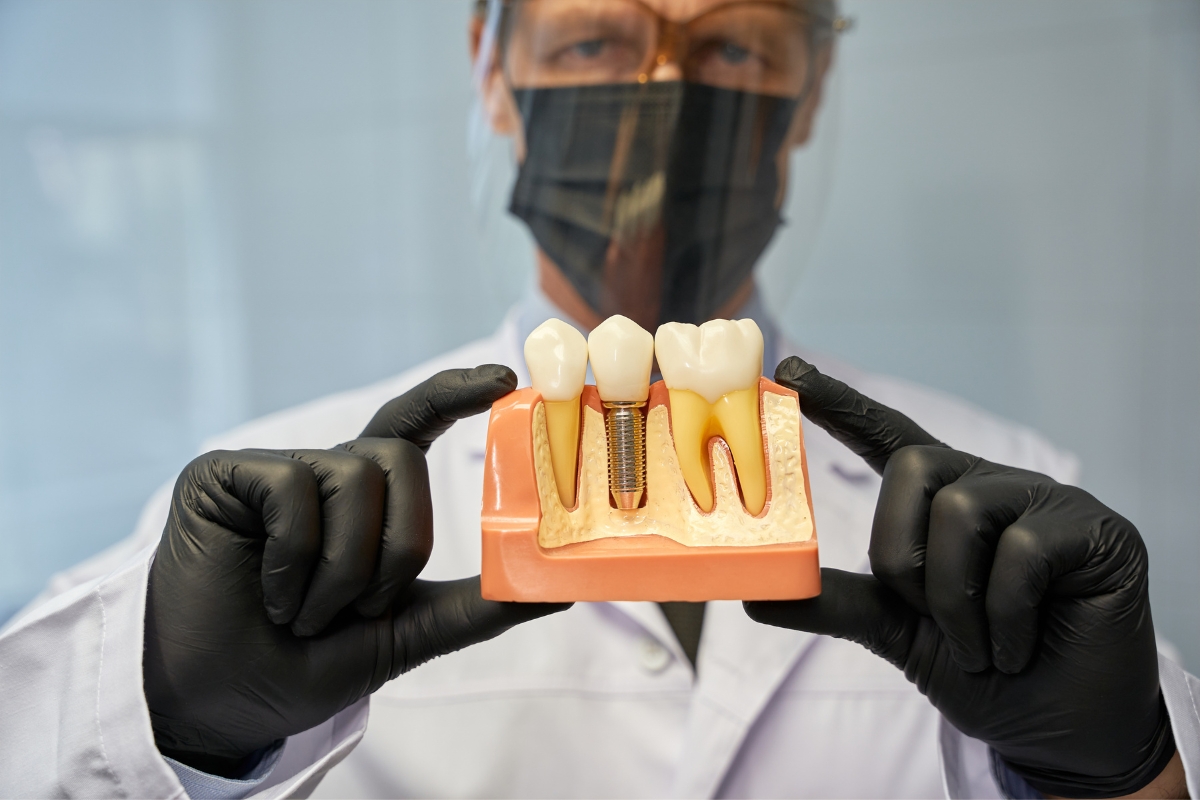
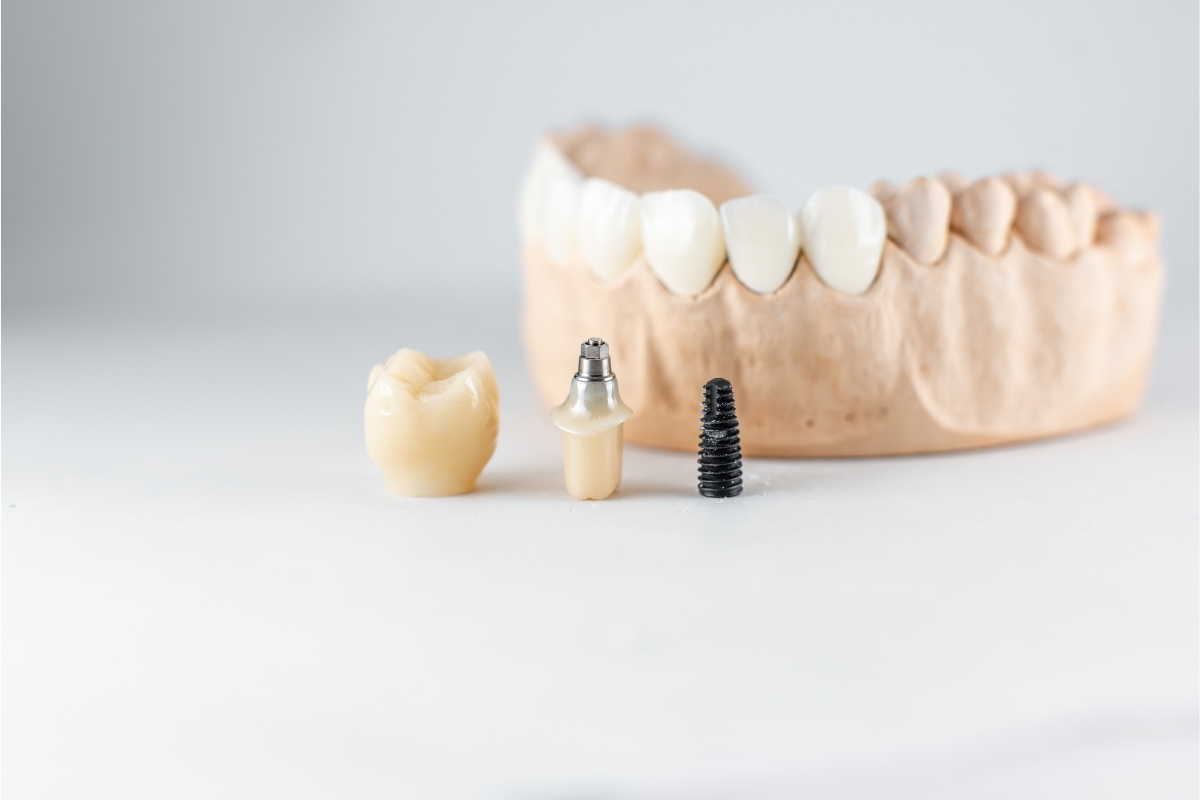
A dental implant is a small post that is placed into the jawbone where a natural tooth root once existed. Titanium is commonly used because it is well tolerated by the body and can bond with the surrounding bone.
After the implant heals, it can support a dental crown, bridge, or denture. This creates a stable replacement that is designed to function as part of your bite.
One reason implants are different from traditional dentures is that they are anchored to the jaw. You do not have to rely solely on your gums to hold the replacement teeth in position.
Is It Possible to Put an Implant Under Every Tooth?
Yes, individual implants can be used to replace multiple missing teeth, including an entire set of teeth in carefully selected cases. However, placing one implant for every missing tooth is usually not necessary.
Think of implants as support points. You do not always need one underneath every replacement tooth to create a strong and stable restoration. A few well-positioned implants can support a bridge or an entire arch of replacement teeth.
If you are looking into dental implants in Wheat Ridge, CO, a personalized evaluation can help determine how many implants you actually need.
Why Don’t Most Patients Get an Implant for Every Tooth?
There are several reasons why your periodontal specialist may recommend another approach.
First, every implant requires a suitable area of healthy bone. Placing many implants may not be possible if significant bone loss has occurred.
Second, individual implants involve more surgical sites. When several teeth need to be replaced, using implants to support a bridge or full-arch restoration can simplify the treatment.
Cost is another consideration. Replacing every tooth individually can be considerably more involved than using several implants to support a larger restoration.
The objective is not to place as many implants as possible. It is to create a stable, functional, comfortable, and attractive result that suits your oral health.
What Will Your Provider Check Before Implant Treatment?
Your treatment plan will depend on more than the number of teeth you have lost. Several factors need to be considered.
Your Jawbone
Implants need adequate bone for support. After a tooth is lost, the bone surrounding its root can gradually decrease. If there is not enough bone available, bone grafting may be considered before or as part of implant treatment.
Your Gum Health
The gums and bone around an implant need to remain healthy. If you have untreated periodontal disease, it should generally be managed before moving forward with implants.
This is particularly important because the tissues supporting an implant can develop inflammation and infection if proper care is not maintained.
Your General Health
Your medical history can also affect treatment and healing. Certain health conditions, medications, and habits such as smoking may influence how your body responds to oral surgery.
Your Bite
Your upper and lower teeth need to work together properly. Your provider will consider your bite when planning implant positions and designing the final restoration.
What Can You Do Instead of Getting an Implant for Every Tooth?
If you have lost most or all of your teeth, you may have several options that do not involve placing an individual implant for each tooth.
Full-Arch Implant Restoration
A full-arch restoration replaces an entire row of teeth with a single connected prosthesis supported by several implants. It can be a good option for patients looking for a fixed alternative to conventional dentures.
All-on-4 or All-on-6
These approaches use four or six strategically positioned implants to support a full arch of replacement teeth. Not everyone is a candidate, and the appropriate number of implants depends on your bone, bite, and overall treatment needs.
Implant-Supported Dentures
Implant-supported dentures are held in place by dental implants rather than relying entirely on suction or gum support. Depending on the design, the denture may be removable for cleaning.
Implant-Supported Bridges
If several teeth are missing next to each other, an implant-supported bridge may replace them without requiring a separate implant for every tooth. The implants provide support while the bridge fills the missing spaces.
What Are the Advantages of Full-Arch Implant Treatment?
For the right patient, implant-supported full-arch treatment can make a noticeable difference in everyday life.
Replacement teeth supported by implants can feel more secure when eating and speaking. They can also provide a natural-looking appearance when properly designed and fitted.
Another potential benefit is support for the jawbone in areas where teeth have been lost. However, implants are not maintenance-free. Brushing, cleaning around the restoration, professional checkups, and periodontal care remain important for protecting the tissues around them.
How Do You Know Which Option Is Right for You?
The best treatment depends on your individual situation. If you have lost only one tooth, a single implant may be appropriate. If you are missing several teeth, an implant-supported bridge could make more sense. If an entire arch needs replacement, a full-arch restoration or implant-supported denture may be considered.
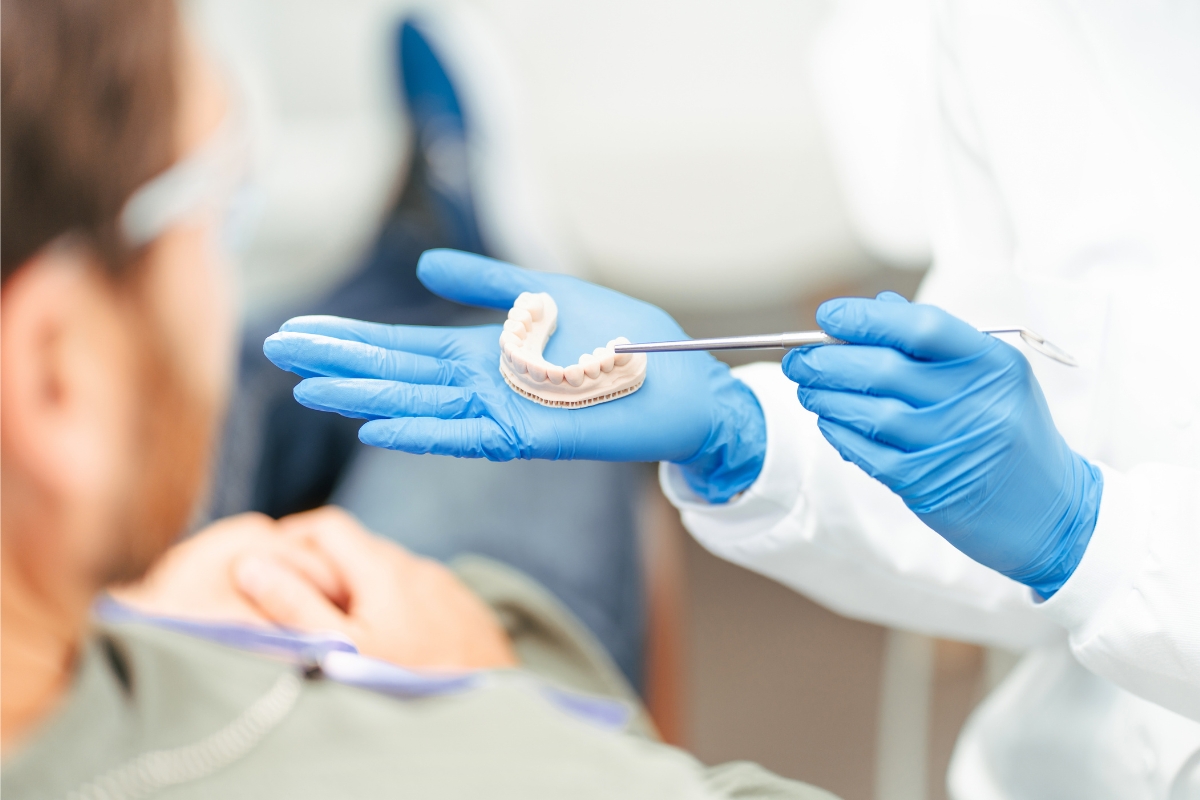
A detailed examination allows your provider to look at your gums, jawbone, remaining teeth, bite, and overall oral health. From there, you can discuss the available options and decide which approach fits your needs and expectations.
Explore Your Tooth Replacement Options
Having an implant for every tooth is possible in certain situations, but it is often unnecessary. Modern treatment options allow several implants to support bridges, dentures, or full-arch restorations, giving patients a stable and natural-looking way to replace many missing teeth.
At Colorado Periodontal Associates, treatment planning can take into account your periodontal health, bone condition, and individual tooth replacement goals. Schedule an appointment today to discuss your dental implant options and find a solution that fits your smile and oral health needs.
Frequently Asked Questions
Can I replace every missing tooth with dental implants?
Yes, but you may not need one implant for every tooth. Several implants can often support a larger restoration that replaces an entire arch.
How many implants are needed for a full mouth?
There is no standard number for everyone. The number depends on factors such as bone availability, gum health, bite, and the type of restoration being used.
Can someone with gum disease get dental implants?
Periodontal disease should generally be treated before implant placement. Healthy supporting tissues are important for creating a suitable environment for implants.
Can I get implants if I have bone loss?
Possibly. Depending on the extent of bone loss, your provider may recommend bone grafting or another procedure before implant placement. Your individual anatomy will determine the available options.
Are full-mouth implants better than dentures?
Neither option is automatically better for every patient. Implant-supported restorations can provide greater stability, while traditional dentures may be simpler and less invasive. Your oral health, preferences, and treatment goals should guide the decision.
Do dental implants require special care?
Implants require regular daily cleaning and professional maintenance. Keeping the gums and tissues around the implants healthy is essential for long-term success.