


Gum disease does not always cause noticeable problems in its early stages. You might see a little blood when brushing, notice mild gum tenderness, or have occasional bad breath and assume it is nothing serious. However, untreated periodontal disease can gradually damage the gums, ligaments, and bone that hold your teeth in place. When the disease becomes advanced or does not respond well to nonsurgical care, periodontal surgery may be recommended.
The good news is that needing periodontal surgery does not mean your teeth are destined to fail. Treatment is designed to control infection, protect the supporting structures around your teeth, and improve your overall periodontal health. Recognizing the warning signs can help you seek care before the damage becomes more difficult to manage.
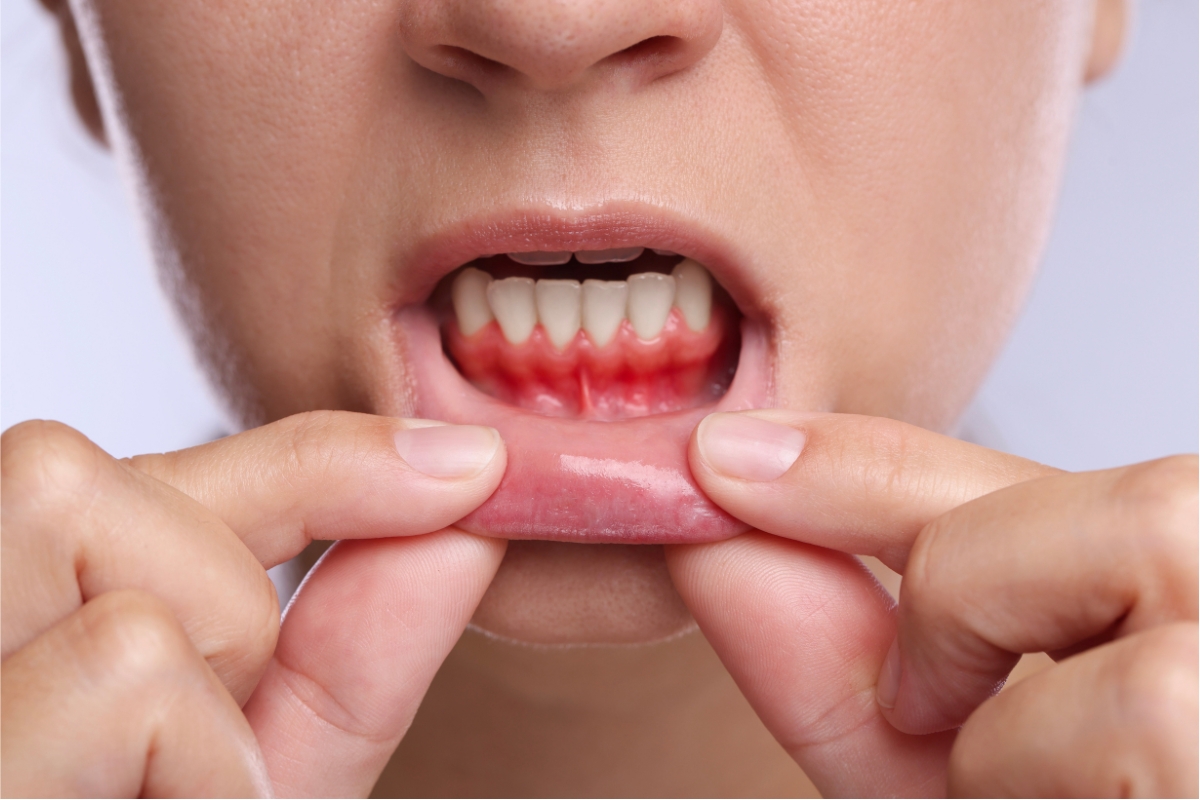
Your Gums Bleed Regularly
Seeing blood on your toothbrush or floss is not something you should consider normal. Occasional bleeding can happen because of irritation, but frequent bleeding is often associated with inflamed gum tissue and periodontal disease.
If your gums continue to bleed even after improving your brushing and flossing habits or receiving professional cleanings, the infection may be affecting areas beneath the gumline. In more advanced cases, periodontal surgery may be recommended to reach areas that cannot be effectively cleaned with routine methods.
A periodontal examination can determine whether your bleeding is related to gingivitis, periodontitis, or another oral health concern.
Your Gums Are Pulling Away From Your Teeth
Have your teeth started to look longer than they used to? This can happen when the gum tissue recedes and exposes more of the tooth root. You may also notice increased sensitivity when drinking something cold or eating hot, sweet, or acidic foods.
Gum recession can occur for several reasons, including periodontal disease, aggressive brushing, and certain anatomical factors. When significant recession is related to periodontal problems, a gum graft or another periodontal procedure may be recommended to protect the exposed root and restore healthier gum coverage.
If you have noticed changes in your gumline, searching for a periodontist near me can help you locate a periodontal specialist who can assess the condition of your gums and recommend appropriate care.
Your Teeth Feel Loose or Are Moving
Your permanent teeth should not feel loose. If a tooth moves when you bite or you notice that your teeth are gradually changing position, it could mean that the structures supporting them have been damaged.
Advanced periodontitis can destroy the bone and tissues surrounding the teeth. As support decreases, teeth can become mobile and may shift over time. Depending on the extent of the damage, periodontal treatment may involve procedures designed to clean infected areas, reduce deep pockets, or restore lost supporting tissue or bone.
Do not wait for a loose tooth to become painful before seeking care. Periodontal disease can progress without causing significant discomfort.
Bad Breath Does Not Go Away
Everyone experiences bad breath from time to time. Morning breath, certain foods, and dry mouth can all cause temporary odor. Persistent bad breath, however, can be a sign that something needs attention.
Bacteria associated with gum disease can collect around the teeth and beneath the gumline. Deep periodontal pockets can make these areas particularly difficult to clean at home. As bacteria multiply, they can contribute to ongoing unpleasant breath and an unpleasant taste in the mouth.
Bad breath by itself does not mean you need surgery. However, when it occurs along with bleeding gums, swelling, recession, or loose teeth, it is worth having your periodontal health evaluated.
You Have Deep Periodontal Pockets
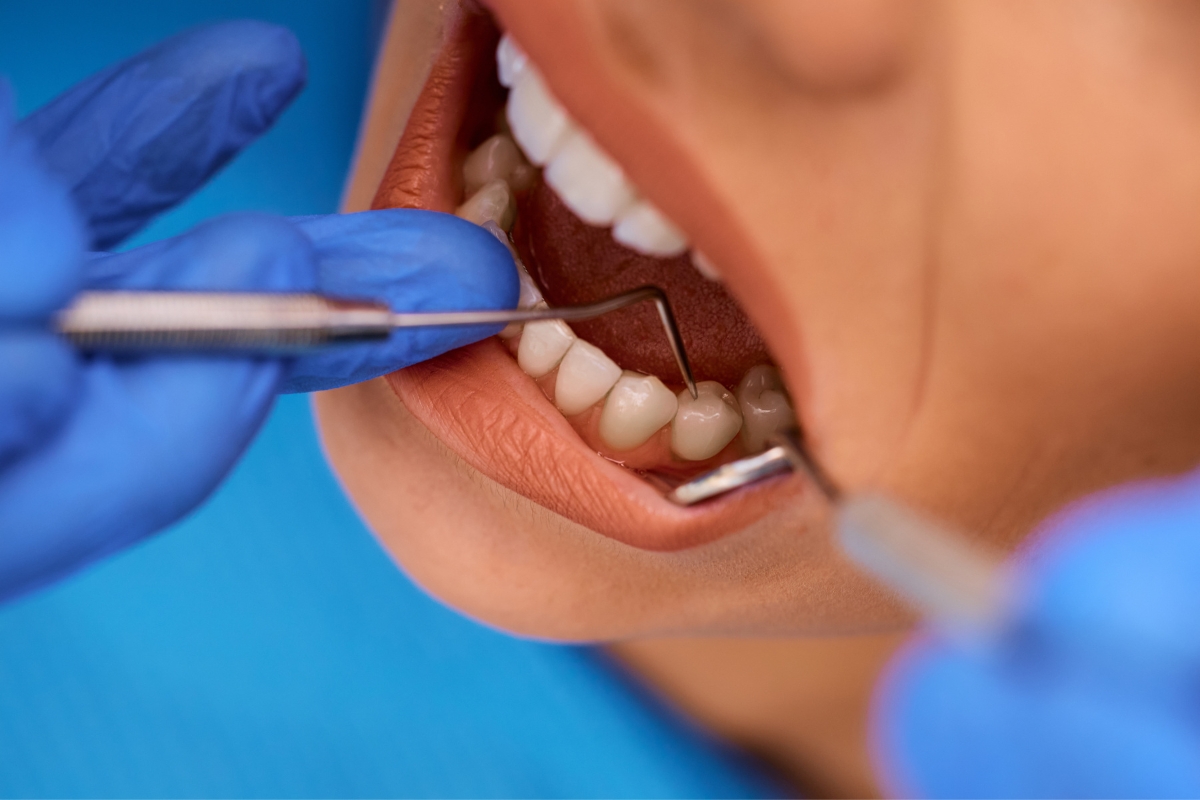
During a periodontal examination, your provider measures the space between the gums and teeth. These measurements help determine whether the gums are attached properly and whether periodontal disease has caused the pockets to become deeper.
Healthy periodontal pockets are generally shallow. As gum disease progresses, the space can become deeper and provide more room for bacteria and plaque to collect. Scaling and root planing can often address periodontal pockets without surgery, particularly when treatment begins early.
If deep pockets remain despite appropriate nonsurgical treatment, periodontal surgery may be considered. The goal is to gain better access to the affected areas, remove harmful deposits and diseased tissue, and create conditions that are easier to maintain.
When Is Periodontal Surgery Recommended?
Not every patient with periodontitis needs surgery. Your treatment plan depends on factors such as the severity of gum disease, pocket measurements, bone loss, gum recession, and how your tissues respond to initial treatment.
Depending on your needs, periodontal treatment may include:
- Pocket reduction surgery to access and clean areas beneath the gumline.
- Gum grafting to treat certain types of gum recession and cover exposed roots.
- Regenerative procedures to encourage the body to rebuild certain lost supporting tissues.
- Bone grafting to help restore bone that has been affected by periodontal disease.
- Gingivectomy to remove excess or diseased gum tissue when appropriate.
Your periodontist will explain which option is appropriate and what you can expect before, during, and after treatment.
What Is Recovery Like?
Recovery depends on the type and extent of periodontal surgery. Some tenderness, swelling, or sensitivity may occur during the early healing period. Your provider may recommend specific instructions for brushing, eating, and caring for the treated area while it heals.
Keeping follow-up appointments is also important. These visits allow your periodontal team to check your progress and make sure your gums are healing properly. Long-term maintenance, regular professional care, and good daily oral hygiene can help protect the results of treatment.
Periodontal surgery can play an important role when gum disease has progressed beyond what nonsurgical treatment can adequately manage. Frequent bleeding, receding gums, loose teeth, persistent bad breath, and deep periodontal pockets are all reasons to have your gums evaluated.
If you are experiencing these symptoms, Colorado Periodontal Associates in Wheat Ridge, CO, can assess your periodontal health and help determine whether surgical or nonsurgical treatment is right for you. Schedule an appointment today to take the next step toward healthier gums.
Frequently Asked Questions
Does gum disease always require periodontal surgery?
No. Many patients can manage gum disease with professional cleanings, improved home care, and nonsurgical periodontal treatment. Surgery is generally considered when disease is advanced or does not respond adequately to initial treatment.
Are bleeding gums a reason to see a periodontist?
Yes. Regular gum bleeding can be a warning sign of inflammation or periodontal disease. An evaluation can identify the cause and determine whether treatment is needed.
Can periodontal surgery treat gum recession?
Certain surgical procedures, such as gum grafting, can treat specific types of recession by adding tissue to areas where the gums have pulled away from the teeth.
Can loose teeth become stable again?
Treatment may improve the stability of teeth affected by periodontal disease, depending on the amount of bone and tissue damage. Your periodontist can evaluate whether a loose tooth can be preserved.
How do I know if I have deep periodontal pockets?
You generally cannot measure periodontal pockets accurately at home. A dental or periodontal examination is needed to measure pocket depths and assess the health of the supporting tissues.
Can periodontal disease return after surgery?
Yes. Periodontal disease can recur if plaque and bacteria are not controlled. Consistent home care, professional maintenance, and recommended follow-up visits are important for protecting your periodontal health.