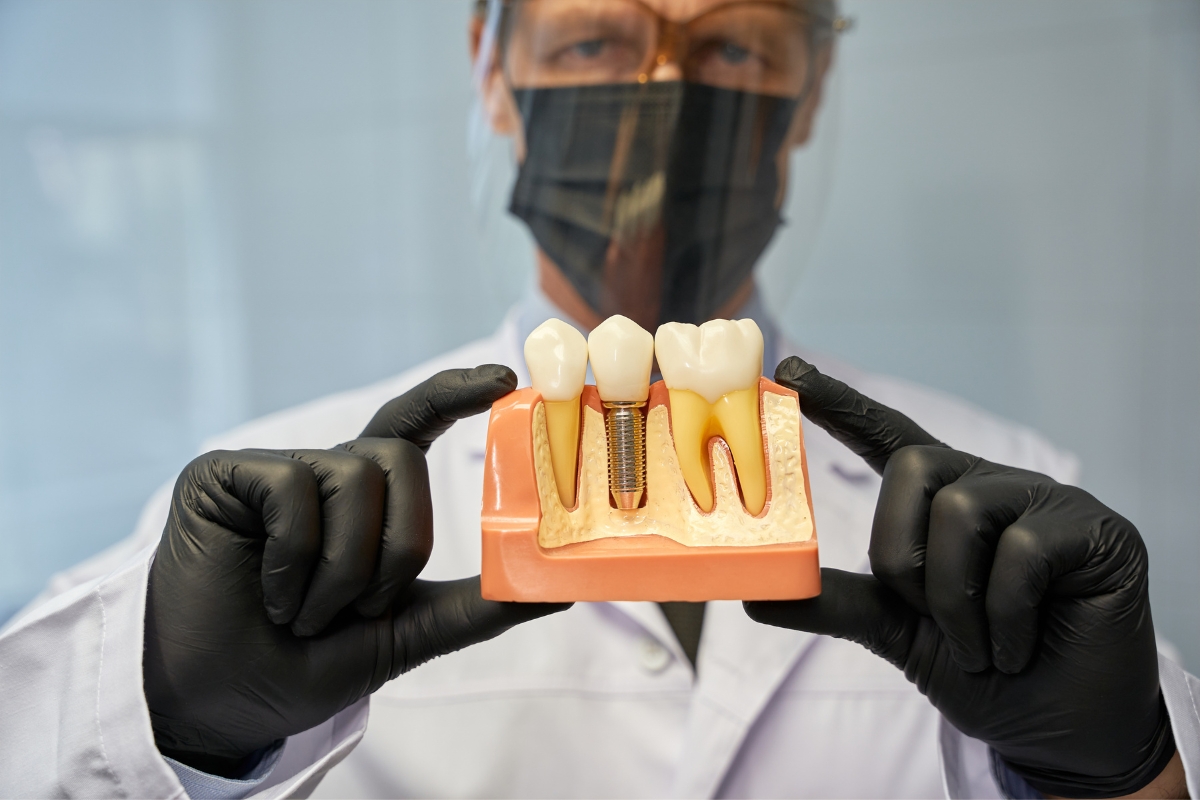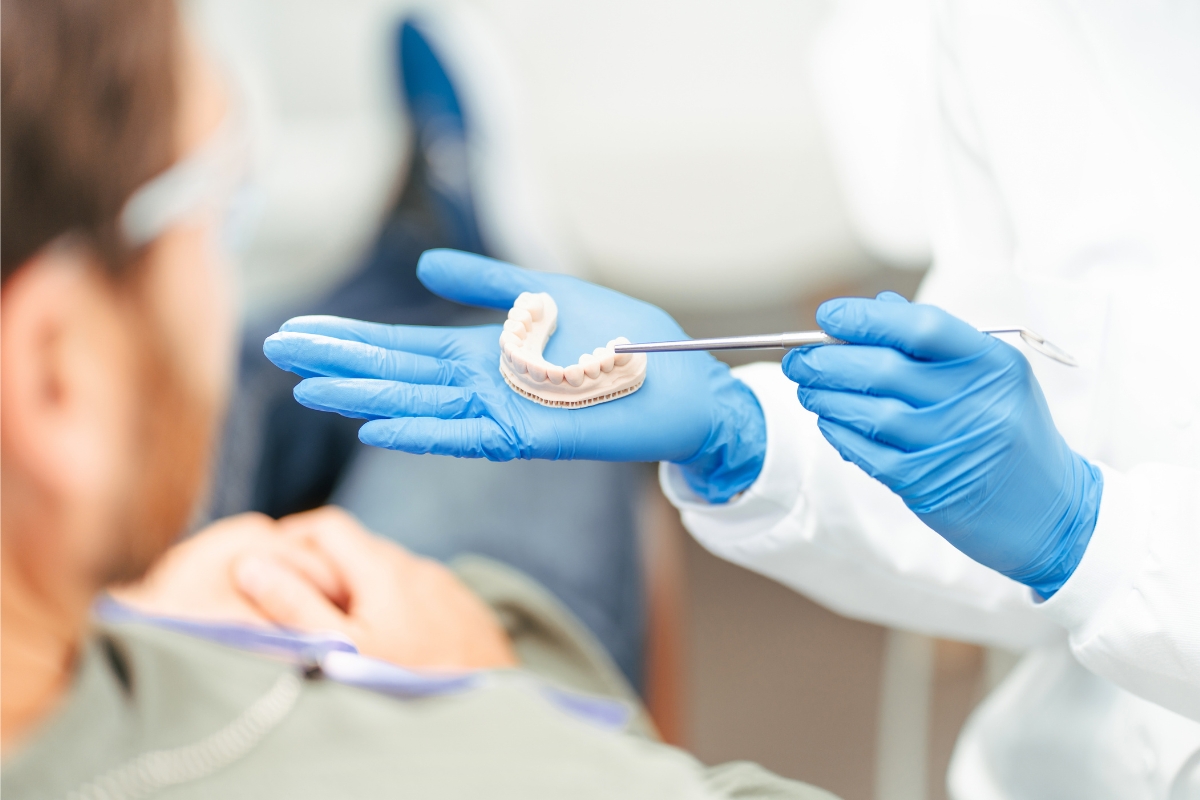



Replacing a missing tooth can do more than improve your smile. It can make eating easier, support the surrounding teeth, and help you feel more comfortable when you speak or smile. Dental implants are one option for replacing missing teeth because they are designed to stay securely in the jaw and support a dental crown, bridge, or denture. However, the condition of your mouth before treatment can have a major impact on the outcome.
Your gums deserve particular attention when you are considering an implant. Healthy gum tissue helps protect the structures underneath it, including the bone that supports your teeth and implants. When periodontal disease is present, infection and inflammation can compromise that support and create additional challenges for implant treatment.
Understanding Gum Disease
Gum disease is a bacterial infection that affects the tissues surrounding and supporting your teeth. It may begin quietly, with symptoms such as occasional bleeding during brushing or mild gum swelling. As the condition progresses, the infection can move deeper beneath the gumline and damage the bone that holds your teeth in place.
Some signs that may indicate periodontal disease include:
- Gums that bleed easily
- Red, puffy, or sore gum tissue
- Ongoing bad breath
- Gums pulling away from the teeth
- Loose or changing teeth
- Pus near the gumline
- Increased spaces between teeth
Because periodontal disease can damage bone, it is important to have your gum health evaluated before moving forward with implant treatment.
Why Your Gums Matter When Getting Implants
A dental implant depends on the jawbone for support. After the implant is placed, the bone gradually grows around it and helps hold it firmly in position. This healing process takes time and requires a healthy environment.
Untreated periodontal disease can make that environment less predictable. Inflammation and bacteria may affect the tissues surrounding the implant and interfere with proper healing. In addition, bone lost because of periodontal disease may leave an area without enough support for an implant.
Before treatment, an implant dentist Wheat Ridge patients can consult may assess your periodontal condition along with the available bone and other factors that could influence implant treatment. If gum disease is present, treating it first may be an important step toward creating a healthier foundation.
Can You Still Get an Implant If You Have Gum Disease?
A diagnosis of gum disease does not automatically eliminate dental implants as an option. The important consideration is whether the disease is active and how much damage it has caused.
Your periodontal condition should be evaluated before implant placement. Depending on your needs, treatment may involve removing bacteria and hardened deposits from below the gumline, improving daily plaque control, or addressing deeper periodontal problems.
If significant bone loss has occurred, your dental team may also discuss procedures intended to improve the condition of the implant site. Once the infection and inflammation are under control, your provider can reassess whether implant treatment is appropriate.
What If Gum Problems Develop After Implant Placement?
Getting an implant does not make the surrounding gums immune to disease. The tissues around an implant can still become inflamed when plaque accumulates. A more advanced problem is known as peri-implantitis, which can involve inflammation and loss of bone around the implant.
Signs that something may be wrong include:
- Swelling or redness around the implant
- Bleeding during cleaning
- Tenderness in the area
- Drainage or pus
- Persistent unpleasant taste or breath
- Difficulty chewing comfortably
- Changes in the implant’s stability
An implant that feels different from usual should be checked. Waiting for symptoms to disappear on their own can allow an underlying problem to progress.
How Can You Protect Your Implant?
Implant care is not complicated, but it needs to become part of your regular routine. The goal is to keep plaque under control and catch any changes in your gums as early as possible.
Clean your teeth every day. Brush twice a day and pay attention to the areas around your implant restoration. Cleaning between the teeth is also important because bacteria can collect where a toothbrush cannot easily reach.
Keep your periodontal appointments. Professional examinations and cleanings allow your provider to monitor the condition of your gums and the tissues supporting your implant.
Do not ignore bleeding or swelling. Healthy gums generally should not bleed regularly. If you notice ongoing bleeding, redness, swelling, or discomfort around an implant, let your dental provider know.
Avoid tobacco products. Tobacco can negatively affect gum health and the body’s ability to heal. Avoiding tobacco can support better oral health and implant maintenance.
Why Ongoing Periodontal Care Matters
An implant may replace the visible portion of a missing tooth, but it still relies on the tissues underneath it. The gums and supporting bone need ongoing attention to help keep the implant stable and healthy.
This is especially important for people who have had periodontal disease in the past. Even when treatment has successfully controlled the condition, regular maintenance and good home care can help reduce the chance of future problems.
Taking care of your gums also benefits your natural teeth. Periodontal maintenance is therefore an important part of protecting your overall oral health, not just your investment in an implant.
Take Care of the Foundation Behind Your Smile
Dental implants can be an effective way to replace missing teeth, but their long-term health depends on more than the implant itself. Keeping your gums free from active infection and maintaining the bone and tissues around the implant are important parts of protecting your results.
Colorado Periodontal Associates provides periodontal evaluation and treatment focused on the health of the gums and supporting structures. If you are considering implants or have noticed changes around an existing implant, schedule an appointment to discuss your periodontal health and treatment options.
Frequently Asked Questions
Can I receive a dental implant if I have gum disease?
Possibly. Active gum disease should generally be treated before implant placement. Your provider can evaluate your periodontal health and determine when treatment is appropriate.
Does previous gum disease mean I cannot get implants?
No. Many people with a history of periodontal disease may still be candidates for implants once their condition is controlled and the supporting tissues are suitable.
What is peri-implantitis?
Peri-implantitis is a condition involving inflammation around a dental implant that can also lead to loss of supporting bone. Prompt evaluation can help determine the appropriate treatment.
Can gum disease cause bone loss around an implant?
Yes. Ongoing inflammation and infection can damage the bone supporting an implant, potentially affecting its stability.
How can I tell if there is a problem with my implant?
Bleeding, swelling, drainage, persistent discomfort, bad breath, or movement of the implant may indicate a problem and should be evaluated by a dental professional.
How often should my implant be checked?
Your dental or periodontal provider can recommend a maintenance schedule based on your individual oral health and periodontal history. Patients with previous gum disease may benefit from closer monitoring.