

Being told you need an MRI can bring up a lot of questions, especially if you have dental implants. You may have heard that an MRI involves powerful magnets and naturally wonder whether the metal in your implant could cause a problem.
The good news is that, in many cases, MRI with dental implants is possible. Having a dental implant does not automatically prevent you from having an MRI. However, you should always tell the imaging center about your implant before the scan so the team can review your situation and follow the appropriate safety procedures.
For people in Wheat Ridge, CO, this is particularly worth understanding if you have recently received an implant or are being monitored for changes involving your gums or jawbone.
Can You Have an MRI with Dental Implants?
For most patients, yes.
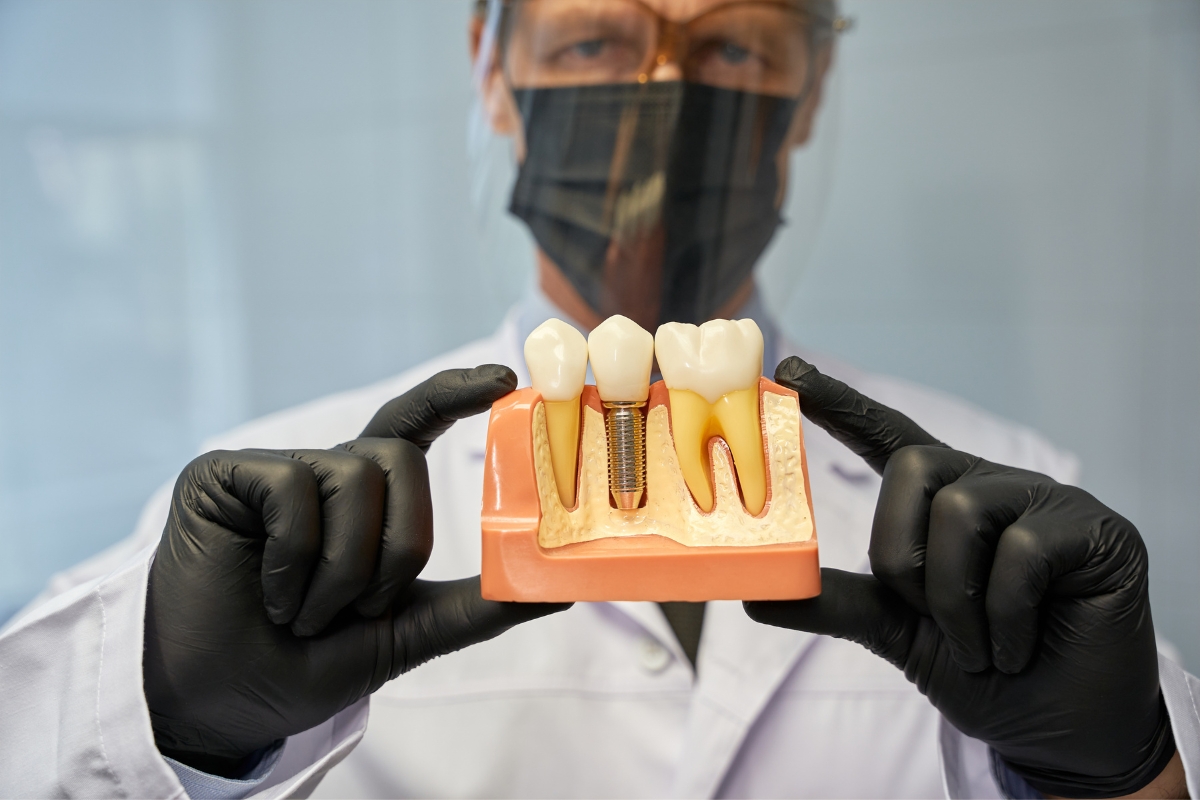
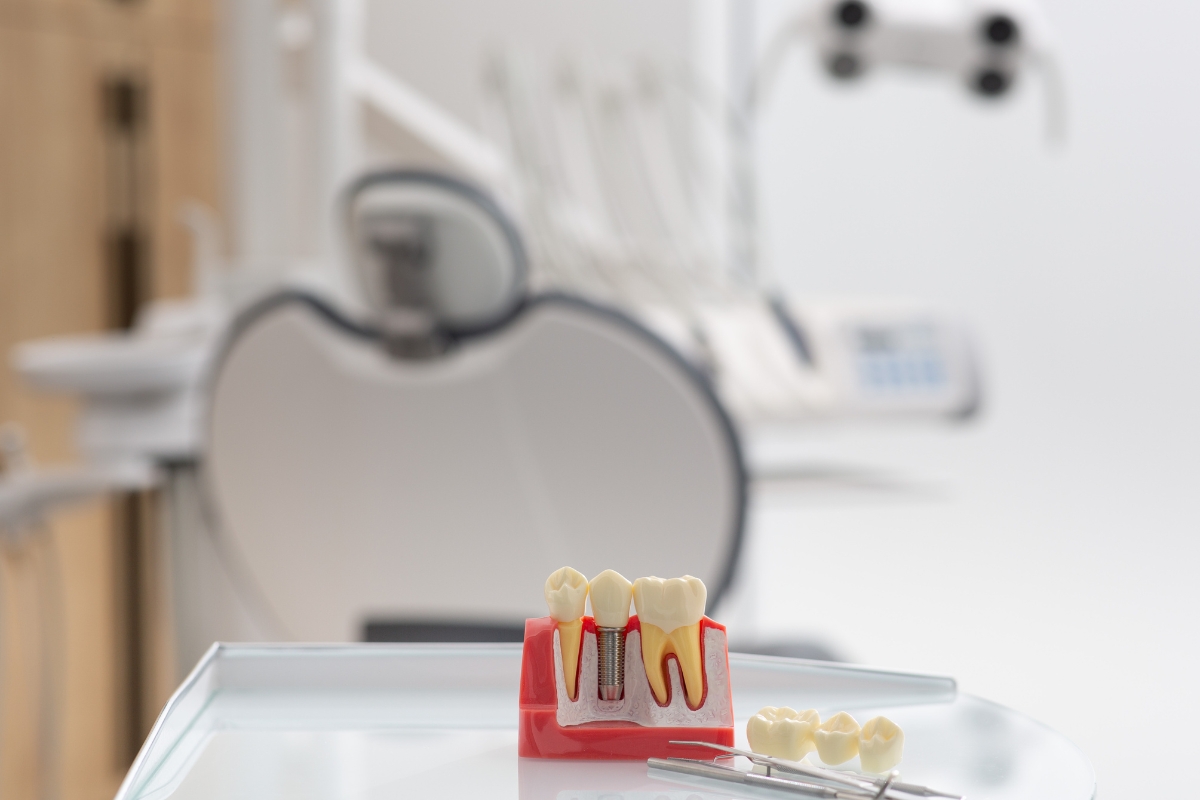
Dental implants are commonly made from titanium or other materials designed to remain securely in the jaw. They are different from certain implanted electronic devices that may have strict MRI restrictions.
Still, that does not mean you should simply walk into an MRI appointment without mentioning your implant. The MRI staff needs to know what type of implant you have and, when possible, its manufacturer and model.
The U.S. Food and Drug Administration recommends telling MRI personnel about implanted medical devices and bringing implant information when available.
In other words, the answer to “can you have an MRI with dental implants?” is usually yes—but the final decision belongs to the medical imaging team based on your individual circumstances.
Why Do Dental Implants Matter During an MRI?
An MRI uses a strong magnetic field and radio waves to produce detailed images of the body. Certain metals and medical devices can interact with the MRI environment, which is why patients are carefully screened beforehand.
Most dental implants stay firmly in place
Dental implants are surgically positioned in the jawbone and are designed to remain stable. Titanium, one of the most commonly used implant materials, is generally considered suitable for many MRI environments.
The important distinction is that MRI safety with dental implants depends on the particular implant system and the MRI conditions being used.
If you have an implant card or treatment records, keep them available. They can help the imaging staff confirm the relevant information rather than making assumptions about your implant.
Can Dental Implants Affect MRI Images?
There is another issue that has little to do with safety: image quality.
Metal can sometimes cause an artifact, which means distortion or changes in the MRI image around the implant. This is more likely to matter when the scan is being performed close to the mouth, jaw, or facial structures.
For example, an implant may have little practical effect on an MRI of your knee. A scan involving your head or jaw is a different situation because the implant is much closer to the area being examined.
Your radiology team can determine whether the implant is likely to affect the images they need.
What About an MRI After Dental Implant Surgery?
If you recently had an implant placed, you may be wondering whether you should wait before having an MRI.
There is no universal waiting period that applies to every patient. The answer depends on why the MRI is needed, where the scan will be performed, the implant system used, and your overall treatment situation.
If you have recently undergone implant placement, bone grafting, or periodontal surgery, mention the procedure to both your healthcare provider and imaging center.
This is especially important when the MRI involves the head, face, or jaw. Your periodontal team can also provide information about the procedure and implant if the radiology department needs additional details.
MRI Precautions with Dental Implants
A few simple steps can make your MRI appointment easier.
Tell the imaging center beforehand
When scheduling the MRI, mention that you have dental implants. Do the same during the standard safety screening at the facility.
Bring your implant information
If you received an implant card or documentation showing the implant manufacturer and model, take it with you.
Keep your dental team informed
If the MRI was ordered because of another health concern, let your dentist or periodontist know. Likewise, tell your medical provider if you recently had dental implant treatment.
Follow the imaging center’s instructions
MRI facilities have their own safety screening procedures. If they need additional information before approving the scan, provide it rather than assuming the implant is automatically safe.
What Does the Available Information Tell Us?
The available FDA information is generally reassuring. The agency states that it is not aware of adverse events specifically associated with MRI or X-ray procedures involving dental implants.
At the same time, MRI screening remains important. The fact that dental implants are commonly compatible with MRI does not mean every implant or every MRI situation is identical.
A sensible approach is therefore not to worry about the implant unnecessarily, but also not to leave it undisclosed.
Why Implant Health Still Matters
An MRI does not replace a dental or periodontal examination.
If you have an implant and notice bleeding around it, persistent tenderness, swelling, gum recession, or a feeling that the implant or restoration has become loose, those symptoms deserve attention.
Dental implants rely on healthy surrounding tissues and adequate supporting bone. Periodontal care plays an important role in maintaining those tissues over time.
Patients in Colorado area, who are considering implants or already have them may benefit from working with an implant dentist in Wheat Ridge who takes the condition of the surrounding gums and bone into account—not simply the implant itself.
The Bottom Line
Having a dental implant does not usually mean you cannot have an MRI. For most patients, the bigger priority is making sure the imaging team knows about the implant and has enough information to complete its safety screening.
If you have concerns about an implant, particularly changes involving the gums, bone, or surrounding tissues, a periodontal evaluation can help identify potential problems early.
For patients in Wheat Ridge, CO, Colorado Periodontal Associates can help assess the health and stability of the tissues supporting dental implants. Schedule an appointment today!
Frequently Asked Questions
Can you have an MRI with dental implants?
Yes. Many people with dental implants can undergo MRI safely. Always tell the imaging team about your implants before the scan.
Are titanium dental implants safe during an MRI?
Titanium dental implants are commonly compatible with MRI, but the imaging facility should verify the specific implant and MRI conditions.
Can an MRI loosen a dental implant?
Dental implants are designed to remain securely anchored in the jaw. An MRI does not ordinarily cause a properly integrated implant to loosen.
Can dental implants affect an MRI?
They can sometimes create image distortion near the implant. Whether this matters depends largely on the location and purpose of the MRI.
Should I wait to have an MRI after implant surgery?
Not necessarily. There is no single waiting period for everyone. Tell your healthcare provider and imaging center about the recent procedure so they can make an appropriate determination.