

Your jawbone plays an important role in keeping your teeth stable and supporting the overall structure of your mouth. When the bone surrounding the teeth begins to deteriorate, the foundation that keeps your teeth secure can gradually become weaker. Dental bone loss may develop without obvious symptoms in its early stages, but over time, it can contribute to loose teeth, changes in your facial appearance, and tooth loss.
The good news is that taking care of your gums, teeth, and overall health can help reduce the factors that contribute to further bone deterioration. Recognizing potential warning signs and getting periodontal concerns addressed early can make a meaningful difference in protecting your oral health.
What Causes Dental Bone Loss?
Several factors can contribute to the gradual loss of bone around the teeth. Understanding these risk factors can help you take preventive steps before the problem becomes more advanced.
- Periodontal disease: Advanced gum disease can damage the tissues and bone that support your teeth.
- Tooth loss: When a tooth is missing, the jawbone in that area no longer receives the same stimulation and may gradually shrink.
- Osteoporosis: Reduced bone density throughout the body may also affect the jawbone.
- Hormonal changes: Certain hormonal changes can influence gum health and the body’s response to inflammation.
- Certain medications: Some medications may affect bone health or oral tissues, making regular dental monitoring important.
- Smoking: Tobacco use can interfere with blood flow and healing while increasing the risk of gum problems.
Addressing these contributing factors early may help protect the bone and supporting tissues around your teeth.
What Are the Warning Signs of Dental Bone Loss?
Dental bone loss does not always cause noticeable symptoms at first. In many cases, the problem becomes apparent because of changes in the gums or the stability of the teeth. Some signs that deserve professional attention include:
Receding Gums
When the gums pull back from the teeth, more of the tooth surface or root may become visible. Gum recession can be associated with loss of supporting tissues and should be evaluated by a dental professional.
Increased Tooth Sensitivity
Exposed tooth roots caused by gum recession can make your teeth more sensitive to hot, cold, sweet, or acidic foods and drinks. While sensitivity has several possible causes, new or persistent sensitivity should not be ignored.
Loose or Shifting Teeth
Teeth that feel loose, move when you bite, or appear to be changing position may indicate that their supporting structures have been compromised. Periodontal disease is one possible cause and should be evaluated promptly.
Changes in the Way Your Teeth Fit Together
A noticeable change in your bite can sometimes occur when the supporting structures around your teeth are affected. If your teeth suddenly feel different when you close your mouth, schedule a dental evaluation.
How Can You Slow Down Dental Bone Loss?
Once bone has been lost, restoring it naturally is not always possible. However, controlling the conditions that contribute to bone loss can help protect the remaining bone and supporting tissues.
Replace Missing Teeth When Appropriate
Leaving a missing tooth untreated can contribute to continued bone shrinkage in the area. Depending on your oral health and the amount of available bone, your periodontist may discuss replacement options.
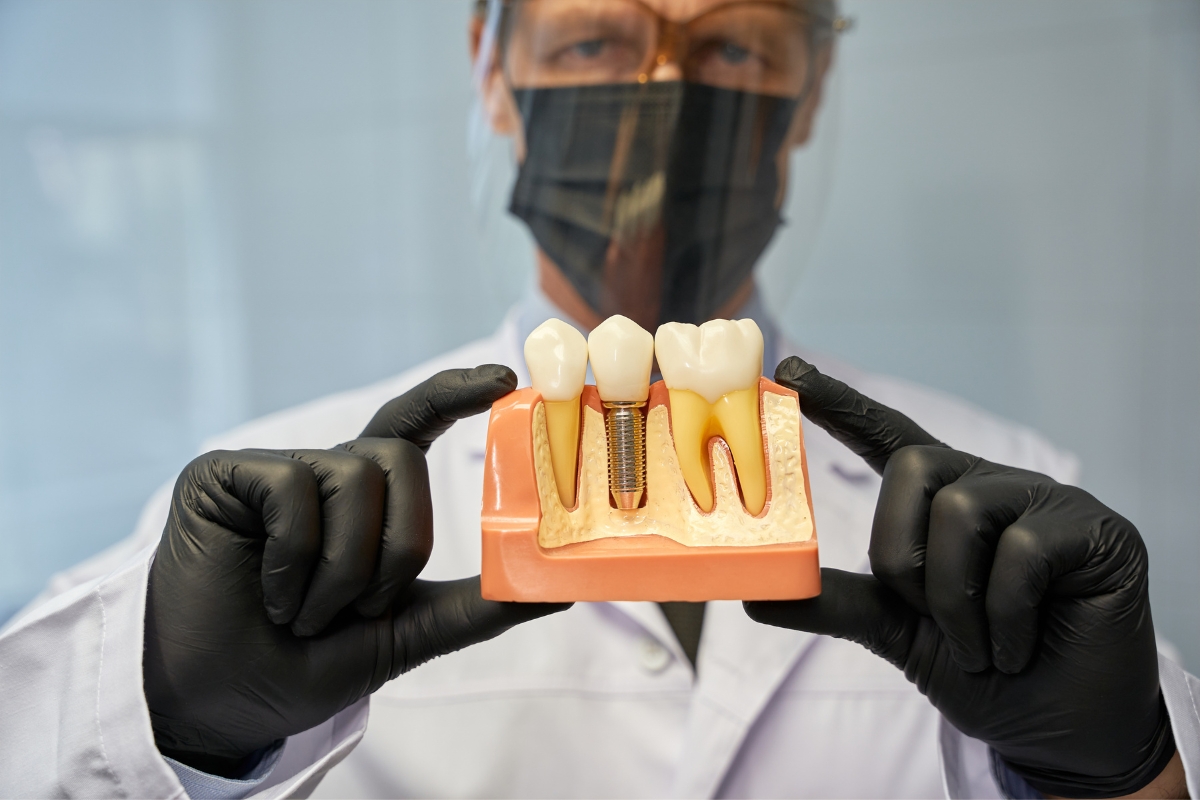
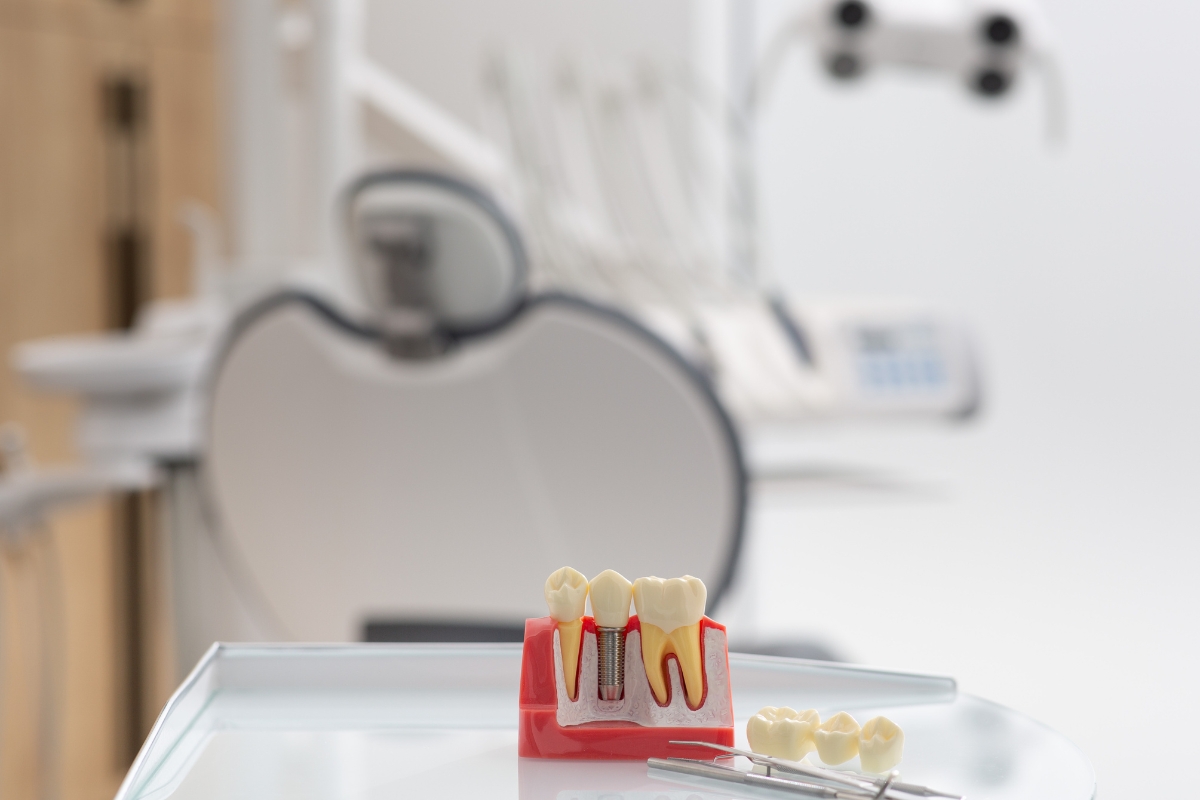
For eligible patients, dental implants in Wheat Ridge can provide a stable way to replace missing teeth while also helping maintain the bone around the implant site. However, patients with significant bone loss may require additional treatment before implant placement. A periodontal evaluation can help determine which approach is appropriate for your situation.
Keep Your Teeth and Gums Clean
Daily oral hygiene is one of the most important ways to protect the tissues supporting your teeth. Brush twice a day with fluoride toothpaste and clean between your teeth every day using floss or another recommended interdental cleaning method.
Professional dental and periodontal cleanings are also important because hardened deposits and plaque can be difficult to remove completely at home. Keeping inflammation under control can help reduce the risk of further periodontal damage.
Keep Up With Dental and Periodontal Visits
Regular checkups allow dental professionals to identify gum inflammation, periodontal pockets, infection, and other concerns before they become more serious. Periodontal evaluations may also include measurements and imaging when necessary to monitor the condition of the bone supporting your teeth.
If bone loss is already present, your dental professional can recommend an appropriate treatment plan based on its severity and underlying cause.
Choose a Nutrient-Rich Diet
Your diet also plays a role in maintaining healthy bones and supporting your body’s normal functions. Consider including foods that provide important nutrients such as:
- Calcium: Dairy products, leafy green vegetables, almonds, and other calcium-rich foods
- Vitamin D: Fatty fish, egg yolks, and fortified foods
- Phosphorus: Lean meats, nuts, seeds, and other phosphorus-containing foods
A balanced diet supports overall health, including the health of your teeth, gums, and bones.
Stop Smoking
Smoking can reduce blood flow to the gums and interfere with the body’s ability to heal. It is also strongly associated with periodontal problems and can make it more difficult to manage gum disease.
If you smoke, quitting can be an important step toward improving your oral health and supporting healthier gum tissues.
Limit Alcohol Consumption
Frequent or excessive alcohol consumption can have negative effects on overall health and may be associated with factors that affect bone and gum health. Limiting alcohol and following healthy lifestyle habits can support your general and oral well-being.
Protect Your Jawbone by Caring for Your Gums
Dental bone loss is not something that should be ignored, particularly when it occurs alongside gum recession, loose teeth, or other changes in your mouth. Although existing bone loss may require professional treatment, addressing periodontal disease and other contributing factors early can help protect the supporting structures around your teeth.
Good home care, regular periodontal evaluations, a balanced diet, avoiding tobacco, and replacing missing teeth when appropriate can all be part of a long-term approach to maintaining your oral health.
If you are concerned about changes in your gums, teeth, or jawbone, schedule an appointment for a professional evaluation.
Frequently Asked Questions
Can dental bone loss be reversed naturally?
In most cases, bone that has already been lost does not simply grow back on its own. However, treating the underlying cause and maintaining good periodontal health may help prevent or slow additional bone loss.
Can gum disease cause bone loss around teeth?
Yes. Advanced periodontal disease can damage the tissues and bone that support the teeth. Without appropriate treatment, this damage may eventually contribute to tooth mobility and tooth loss.
Does losing a tooth cause jawbone loss?
A missing tooth can lead to gradual bone resorption in the area because the jawbone no longer receives the same stimulation from the tooth root. Tooth replacement may help address the effects of tooth loss.
Are dental implants possible if I have bone loss?
Dental implants may still be an option for some people with bone loss. The available bone needs to be evaluated first, and additional procedures may sometimes be recommended to create adequate support for an implant.
Can brushing and flossing prevent dental bone loss?
Good daily oral hygiene can help control plaque and reduce the risk of gum disease, which is an important contributor to bone loss around teeth. Brushing and cleaning between your teeth should be combined with regular professional care.
When should I see a periodontist about possible bone loss?
Consider a periodontal evaluation if you notice loose or shifting teeth, persistent gum inflammation, receding gums, bleeding during brushing or flossing, or other changes in your oral health. Early evaluation can help identify the cause and determine appropriate treatment.