




When you lose a tooth, the empty space in your smile is usually the first thing you notice. You might find yourself avoiding certain foods, feeling uncomfortable when speaking, or hesitating to smile in photographs. However, tooth loss can affect something you may not immediately think about: the shape of your face. Over time, missing teeth can change the way your jaw supports the surrounding tissues, sometimes making your cheeks look less full or the area around your mouth appear sunken.
The reason behind these changes goes deeper than the visible gap. Your natural teeth do more than help you chew. Their roots interact with the jawbone and provide stimulation that helps maintain its strength and volume. Once a tooth is gone, the bone in that particular area no longer receives the same stimulation. Gradually, it may begin to shrink, reducing some of the support beneath your facial features.
This is one reason people consider dental implants in Wheat Ridge after losing one or more teeth. Unlike treatments that only replace the visible part of a tooth, implants are designed to take the place of missing roots as well. They can help maintain the jawbone and provide a stable foundation for replacement teeth. At Colorado Periodontal Associates, periodontal evaluation is an important part of determining whether implant treatment can meet a patient’s individual needs.
But does replacing missing teeth actually bring back the way your face looked before tooth loss? In many cases, implants can help restore some of the support that has been lost. The results depend on the condition of your jawbone, the number of missing teeth, and how long those teeth have been absent. Here’s what you should understand before considering treatment.
Why Does Losing Teeth Change the Shape of Your Face?
Think of your jawbone as the foundation that supports your teeth and the tissues around your mouth. Your teeth help maintain this foundation by transferring pressure into the bone whenever you bite and chew. This regular activity helps the body maintain the bone surrounding each tooth.
When a tooth is removed or falls out, the body no longer receives that stimulation in the affected area. As a result, the jawbone may gradually become thinner and lose some of its original height. Dentists refer to this natural process as bone resorption.
The changes are not always noticeable immediately. However, when several teeth are missing, particularly for an extended period, the loss of bone support may become more apparent.
You may experience changes such as:
- Less fullness around the cheeks: Changes in the underlying jaw structure can affect the support of nearby facial tissues.
- A thinner-looking upper or lower lip: Missing front teeth can change the way the lips rest and receive support.
- Changes in the lower face: Extensive tooth loss may reduce the height and support of the lower portion of the face.
- More noticeable lines around the mouth: Changes in dental and bone support can influence the appearance of the surrounding skin.
- An altered jawline: Significant bone loss may gradually affect the natural outline of the lower jaw.
Not everyone experiences these changes to the same degree. Losing one tooth does not necessarily cause a noticeable difference in facial appearance. The effects are generally more significant when multiple teeth are missing.
How Do Dental Implants Help Maintain Your Natural Facial Structure?
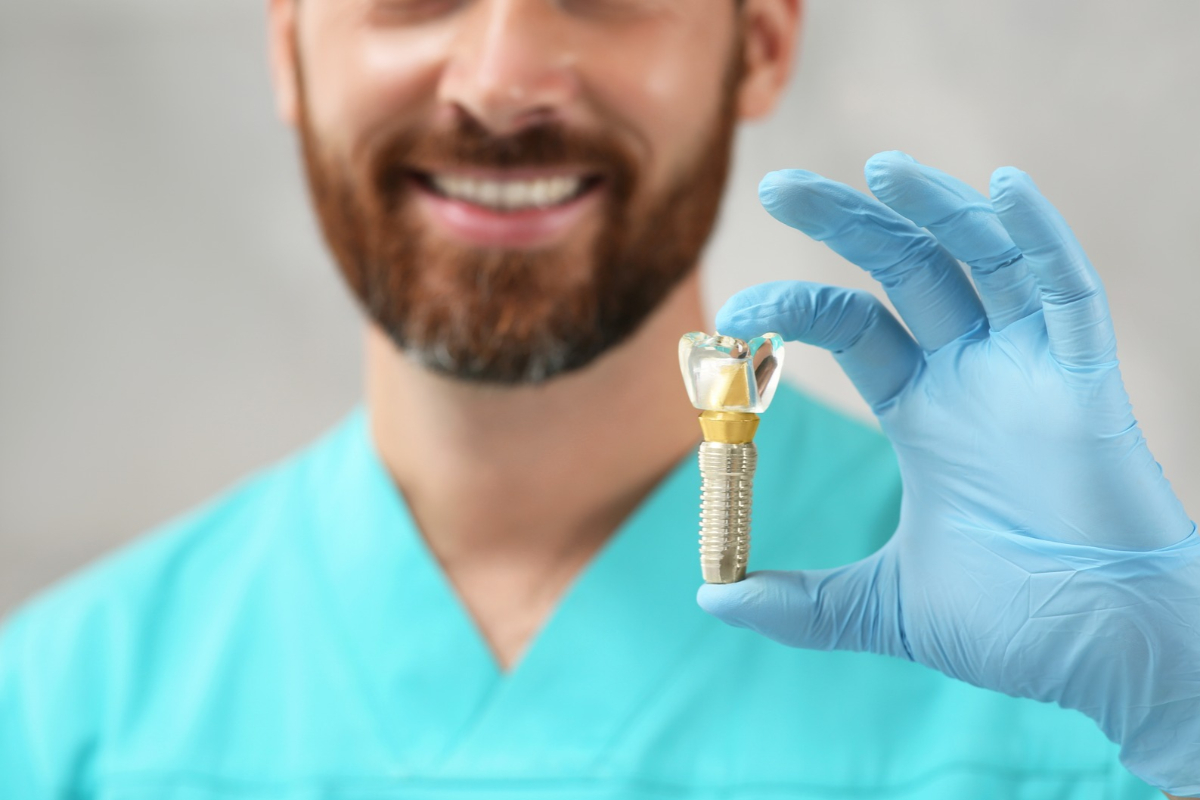
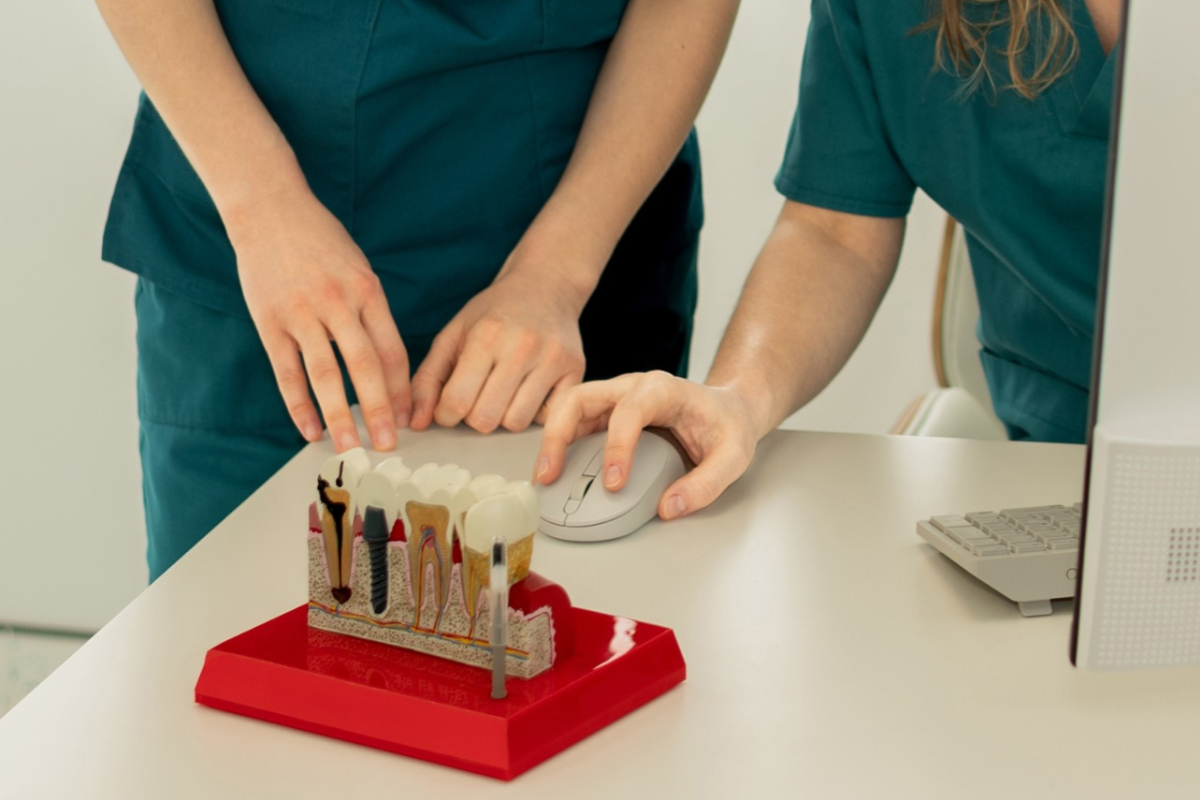
A dental implant is a small post, commonly made from titanium, that a periodontist places into the jawbone to replace a missing tooth root. After placement, the bone gradually bonds with the implant. This process is known as osseointegration.
Once healing is complete, the implant can support a dental crown, bridge, or implant-supported denture, depending on how many teeth need replacement.
What makes implants different from many other tooth replacement options is their relationship with the jawbone. They transfer pressure from everyday biting and chewing into the surrounding bone. This helps provide stimulation that would otherwise be missing after tooth loss.
Here are a few ways this can benefit your facial appearance and oral health.
They Help Preserve the Jawbone
One of the biggest concerns following tooth loss is the gradual reduction of bone in the empty space. Because an implant functions as an artificial tooth root, it can help maintain stimulation in the area where the natural root once existed.
Although implants cannot stop every form of bone loss, they help preserve the bone surrounding the implant when properly placed and maintained.
They Provide Support for Surrounding Tissues
Your lips and cheeks depend partly on the underlying teeth and jawbone for support. When several teeth are missing, changes in these structures may affect how your facial tissues sit.
Replacing missing teeth can help restore some of that lost dental support. The improvement in appearance depends on the amount of existing bone and the position of the replacement teeth.
They Help Restore the Appearance of Your Smile
Even one missing tooth can make your smile look incomplete. Implants allow replacement teeth to be designed around your natural tooth shape, size, and surrounding dental structure.
The result can be a more balanced smile without the gaps associated with tooth loss.
They Restore Everyday Function
Facial appearance is only one part of the picture. Missing teeth can also make chewing difficult and affect the way you pronounce certain words.
Implant-supported teeth provide a stable replacement that allows you to eat and speak more comfortably once treatment and healing are complete.
Can Dental Implants Bring Back a Sunken Face?
This is a common question among people who have been living with missing teeth for several years.
The honest answer is that dental implants can help restore some of the structural support associated with tooth loss, but they cannot guarantee that your face will look exactly as it did before. The amount of improvement depends on how much bone has disappeared and whether changes have also affected the surrounding soft tissues.
For example, someone who recently lost a single tooth may have plenty of healthy bone and may not notice any change in facial shape. Someone who has been missing several teeth for a longer period may have experienced more extensive bone reduction.
In situations where the jawbone has become too thin or weak to support an implant, additional treatment may be necessary.
What If You Have Already Lost Jawbone?
Bone grafting may be recommended when there isn’t enough healthy bone available for implant placement.
During this procedure, bone graft material is added to an area where the existing bone needs additional support. Over time, the body incorporates the graft material into the healing area, helping create a more suitable foundation for an implant.
The need for grafting depends on the patient’s individual bone condition. Some patients can proceed directly to implant placement, while others may need a separate healing period before receiving their implants.
A detailed periodontal examination and appropriate imaging help determine the most suitable approach.
Why Should You Consider Periodontal Care Before Getting Implants?
Successful implant treatment involves more than choosing a replacement tooth. The gums, jawbone, and surrounding tissues all play an important role in keeping an implant stable over time.
This is particularly important for people who have experienced gum disease. Periodontal disease can damage the tissues and bone that normally support natural teeth. If these problems are not properly managed, they may also affect the long-term health of dental implants.
A periodontist focuses on the structures that support your teeth, making periodontal evaluation an important part of implant planning.
Before recommending treatment, your periodontist may:
- Examine your gums for inflammation, infection, and signs of periodontal disease.
- Evaluate the amount and condition of the available jawbone.
- Use dental imaging, including 3D scans when appropriate, to understand the implant site’s anatomy.
- Check your bite and the position of surrounding teeth.
- Determine whether bone grafting or other preparatory procedures are needed.
This evaluation helps create a treatment plan based on your oral health rather than taking a one-size-fits-all approach.
Dental Implants vs. Traditional Dentures: Which Provides Better Bone Support?
Both options can replace missing teeth, but they work differently.
Traditional dentures sit on top of the gums and rely on the underlying tissues for support. They can restore the appearance of your smile, but they do not replace the roots of missing teeth. Consequently, they cannot provide the same type of stimulation to the jawbone.
Dental implants are positioned within the jawbone, where they act as artificial roots. This makes them particularly useful for patients who want a more stable replacement while helping preserve the surrounding bone.
Consider these differences:
| Comparison | Dental Implants | Traditional Dentures |
|---|---|---|
| Placement | Secured within the jawbone | Rest on the gums |
| Stability | Fixed in place after successful integration | May move during eating or speaking |
| Bone support | Helps maintain bone through functional stimulation | Does not replace tooth roots |
| Appearance | Custom-designed to resemble natural teeth | Designed to replace visible missing teeth |
| Maintenance | Requires daily cleaning and routine professional care | Requires removal and separate cleaning |
| Treatment | Requires a surgical procedure | Generally does not require implant surgery |
Neither option is automatically right for everyone. Your bone condition, overall health, budget, and expectations all matter when choosing a replacement.
For some patients, implant-supported dentures offer another possibility by combining the stability of implants with a denture restoration.
What Happens During the Dental Implant Process?
If you’re considering implants, knowing what happens at each stage can make the decision less overwhelming. Although treatment varies from patient to patient, the process generally follows several steps.
Initial Examination: Your periodontist reviews your dental history and examines your gums, teeth, and jawbone. This helps determine whether you’re a suitable candidate.
Imaging and Planning: Dental X-rays or 3D imaging may be used to examine the available bone and identify the appropriate implant position. Your treatment plan will also account for the number of missing teeth and the type of restoration required.
Implant Placement: The titanium implant is placed into the prepared area of the jawbone. The surrounding tissues then need time to heal.
Healing and Integration: During this period, the implant gradually bonds with the surrounding bone. The length of healing varies depending on the patient’s condition and whether additional procedures were necessary.
Attaching the Replacement Tooth: Once the implant is sufficiently stable, a custom restoration is attached. This may be an individual crown, a bridge, or an implant-supported denture.
Following treatment, regular checkups and good oral hygiene remain essential. Implants need ongoing care just like natural teeth, particularly because the tissues surrounding them can still develop inflammation or infection.
Bring Back Your Confidence with a Healthier, More Complete Smile
Living with missing teeth can affect your daily routine in ways you may not expect. You might avoid certain foods, feel uncomfortable smiling, or become concerned about gradual changes in your facial appearance. Addressing tooth loss early can help protect your oral health and reduce the risk of further changes in the jawbone.
Dental implants offer more than a way to fill empty spaces. By replacing missing tooth roots, they help maintain the bone around the implant and provide stable support for replacement teeth. Although they cannot promise to reverse every facial change caused by tooth loss, they can be an important part of restoring your smile and maintaining your natural facial structure.
If you are considering dental implants in Wheat Ridge, CO, Colorado Periodontal Associates can evaluate your periodontal health, examine your jawbone, and help determine which treatment approach is appropriate for you. Schedule an appointment now to discuss your dental implant needs and take the first step toward a healthier, more confident smile.
Frequently Asked Questions
Can dental implants change the shape of my face?
Yes, dental implants can influence facial appearance by replacing missing tooth roots and helping preserve the jawbone. Restoring missing teeth may improve the support around your mouth and help maintain your natural facial contours. However, the extent of visible changes depends on your existing bone structure and the number of missing teeth.
How soon does jawbone loss begin after losing a tooth?
The jawbone can begin changing shortly after a tooth is lost. The process varies between individuals, but bone reduction can occur during the initial months and may continue over time. Replacing a missing tooth with an implant may help preserve the bone in that area.
Will dental implants fill out sunken cheeks?
Dental implants can restore some of the support lost when teeth are missing, but they do not directly add volume to the cheeks. If facial changes are primarily related to significant bone loss or soft-tissue changes, additional treatment considerations may be necessary.
Can I get implants after wearing dentures for several years?
Possibly. Wearing dentures for an extended period does not automatically disqualify you from receiving implants. However, the jawbone may have changed during that time. A periodontal evaluation and dental imaging can help determine whether you have enough bone for implant placement or need bone grafting.
Does bone grafting always need to be done before dental implants?
No. Many patients have sufficient jawbone for implant placement without additional procedures. Bone grafting is considered when the existing bone does not provide adequate support. Your periodontist can determine whether it is necessary after examining the implant site.
Are dental implants suitable for people with gum disease?
Patients with a history of gum disease may still qualify for implants, but active periodontal disease should be treated and controlled first. Healthy gums and supporting bone are important for maintaining implant stability and reducing the risk of complications.
How can I keep my dental implants healthy after treatment?
Brush twice daily, clean between your teeth and around your implants, and attend regular periodontal maintenance visits. Avoiding tobacco and managing conditions that affect oral health can also help protect the tissues surrounding your implants.