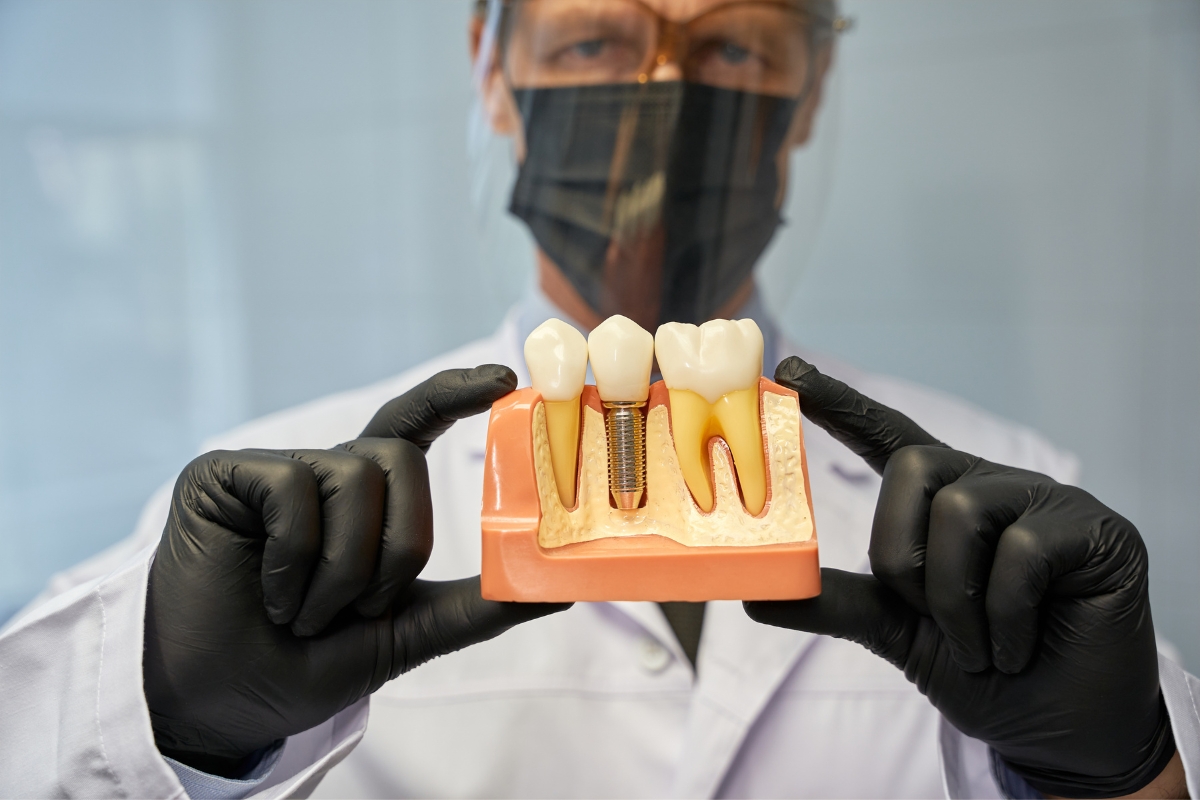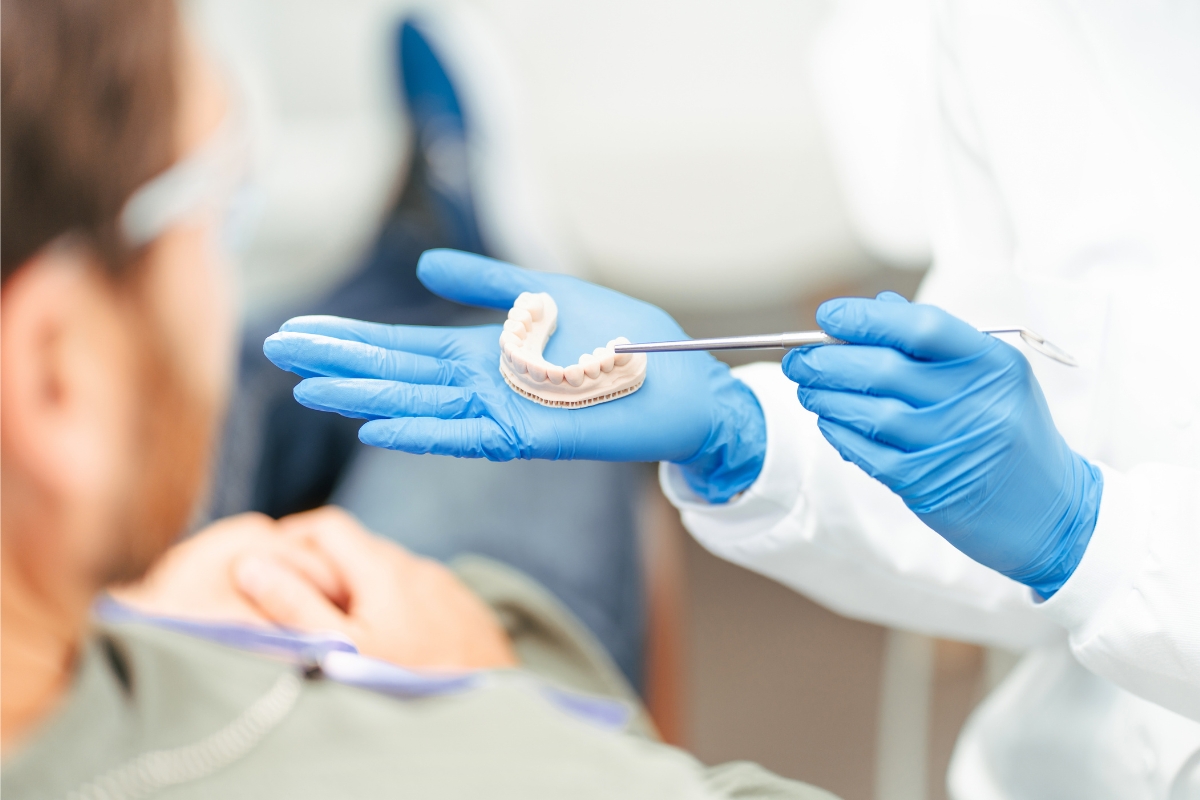



Dental implants can restore your smile and make everyday activities like eating and speaking more comfortable. However, if you need an implant to replace an upper back tooth, you may have concerns about your sinus health. The connection between dental implants and sinus problems is something worth understanding before beginning treatment, especially when the implant site sits close to your sinus cavity.
The upper back teeth are located just below the maxillary sinuses, which are air-filled spaces behind your cheeks. Because these structures sit so close together, implant placement in this area requires careful planning.
If you are considering treatment, consulting an implant dentist Wheat Ridge can help you understand your bone structure, sinus position, and available treatment options. At Colorado Periodontal Associates, evaluating the health of the gums, jawbone, and surrounding structures is an important part of implant treatment planning.
So, can dental implants cause sinus problems? The answer is yes, in certain circumstances. However, sinus complications are not common with properly planned procedures. Understanding the possible risks can help you make informed decisions about your oral health.
Why Are Upper Dental Implants Close to the Sinuses?
The maxillary sinuses sit above the upper premolars and molars. Their location becomes particularly important when someone loses one or more of these teeth.
After tooth loss, the jawbone in that area may gradually shrink because it no longer receives stimulation from the tooth root. The sinus cavity may also expand downward over time, leaving less bone available for implant placement.
This reduced bone height can make implant treatment more challenging.
Before recommending an implant, a periodontist evaluates the available bone and the distance between the proposed implant site and the sinus floor.
The Role of CBCT Imaging
Cone beam computed tomography (CBCT) provides detailed three-dimensional images of the jawbone and surrounding anatomy.
Unlike traditional dental X-rays, CBCT imaging helps a periodontist examine:
- The available bone height and width.
- The position and shape of the maxillary sinus.
- The thickness of the sinus floor.
- Existing anatomical concerns near the implant site.
These details help determine the appropriate implant position and whether additional procedures are necessary.
Can Dental Implants Cause Sinus Problems?
Yes, certain complications during or after upper jaw implant placement can affect the surrounding sinus tissues. However, experiencing sinus discomfort after surgery does not automatically mean the implant caused it.
Here are some possible reasons for sinus problems after dental implant surgery.
Implant Placement Too Close to the Sinus
An implant that extends into the sinus cavity may irritate the surrounding tissues. Depending on the extent of involvement, this can contribute to inflammation or other complications.
However, proximity alone does not establish that an implant will cause an infection. The implant’s position, surrounding bone, and the patient’s symptoms all influence the situation.
Sinus Membrane Perforation
The Schneiderian membrane is the thin tissue lining the maxillary sinus. During implant placement or a sinus lift, this membrane can sometimes develop a small tear.
A minor perforation may be manageable during surgery. However, an untreated or larger tear can increase the risk of complications and may require additional care.
Sinus Infection or Inflammation
Dental implants and sinus infection can sometimes be connected when bacteria or surgical complications affect the sinus area.
Patients may experience facial discomfort, nasal congestion, unpleasant nasal discharge, or pressure around the cheeks. However, existing sinus infections, allergies, and respiratory illnesses can cause similar symptoms.
A professional examination helps determine the actual cause.
Implant Displacement
In rare cases, an implant may become displaced into the maxillary sinus. This is a complication that requires prompt evaluation because the implant may need surgical removal.
Careful imaging and surgical planning help reduce the likelihood of this problem.
What Are the Signs of Sinus Problems After Dental Implants?
Some swelling and discomfort are expected after implant surgery. However, symptoms that persist, become more noticeable, or develop after the initial recovery period deserve attention.
Watch for these possible signs:
- Facial pressure: Persistent discomfort around the cheeks, upper jaw, or beneath the eyes.
- Nasal congestion: Blockage that mainly affects the side where the implant was placed.
- Unusual nasal discharge: Thick discharge or an unpleasant smell.
- Recurring sinus infections: Repeated sinus symptoms following implant treatment.
- Upper jaw discomfort: Pain that continues beyond the expected healing period.
- Fluid movement between the mouth and nose: This may indicate an abnormal opening between the two areas.
Sinus pressure after dental implants does not always indicate a surgical complication. Seasonal allergies, common colds, and existing sinus conditions can produce similar symptoms.
Contact your dental professional if you experience worsening pain, fever, increasing facial swelling, or unusual nasal symptoms. Seek urgent medical attention for vision changes, swelling around the eye, or difficulty breathing or swallowing.
How Can You Reduce the Risk of Sinus Complications?
Proper preparation and follow-up care play an important role in reducing complications associated with upper dental implants.
Get a Thorough Examination Before Treatment
A periodontal evaluation helps identify concerns involving the gums, jawbone, and sinus anatomy. Your provider may recommend CBCT imaging to assess whether the available bone can support an implant.
Consider a Sinus Lift When Necessary
A sinus lift, also called sinus augmentation, increases the available bone height in the upper back jaw.
During this procedure, the periodontist gently raises the sinus membrane and places bone graft material underneath it. The graft provides additional support for future implant placement.
Depending on the patient’s bone condition, the implant may be placed during the same procedure or after the graft has healed.
Discuss Existing Sinus Conditions
Tell your periodontist if you experience chronic sinusitis, frequent nasal infections, allergies, or have undergone previous sinus surgery.
These details can influence treatment timing and help your provider plan the procedure appropriately.
Follow Your Post-Surgical Instructions
After implant surgery, follow the instructions provided by your periodontist. If you receive sinus precautions, avoid forceful nose blowing and sneeze with your mouth open.
Avoid smoking, take prescribed medications as directed, and attend scheduled follow-up visits.
When Should You Visit a Periodontist?
If you notice persistent sinus discomfort after implant placement, do not assume it will disappear without attention. A periodontist can examine the implant site, review imaging, and determine whether the symptoms relate to the implant or another condition.
In some situations, coordination with an ear, nose, and throat (ENT) specialist may also be necessary.
For patients in Wheat Ridge, CO, Colorado Periodontal Associates provides periodontal and implant-related care with attention to the health of the supporting gums and jawbone. Whether you are considering upper jaw implants or experiencing discomfort after treatment, an individual evaluation can help identify the next appropriate step.
If you have concerns about your sinus health or implant recovery, contact Colorado Periodontal Associates to discuss your options and schedule an appointment.
Frequently Asked Questions
Can dental implants cause sinus infections?
Dental implants can sometimes contribute to sinus inflammation or infection if complications affect the maxillary sinus. However, most properly planned implant procedures do not cause sinus infections.
How long does sinus pressure last after dental implant surgery?
Some temporary discomfort may occur during early recovery. However, persistent or worsening pressure should be evaluated, particularly when accompanied by nasal congestion, discharge, or fever.
Can a dental implant enter the sinus cavity?
In rare cases, an implant may become displaced into the maxillary sinus. This requires professional assessment and may involve surgical removal.
Is a sinus lift always necessary before upper dental implants?
No. A sinus lift is only recommended when the available bone height is insufficient for safe implant placement. CBCT imaging helps determine whether additional bone support is needed.
Should I remove my dental implant if I develop sinus problems?
Not necessarily. Sinus symptoms do not automatically mean an implant needs removal. Your periodontist must identify the underlying cause before recommending treatment.
Final Thoughts
Dental implants and sinus problems can sometimes be connected, particularly when treatment involves the upper back jaw. However, careful treatment planning, appropriate imaging, and regular follow-up can help reduce potential complications.
If you are considering dental implants or experiencing unusual sinus symptoms after treatment, Colorado Periodontal Associates can help evaluate your periodontal health and discuss suitable treatment options in Wheat Ridge, CO.