

Getting a dental implant can feel like a fresh start, especially after dealing with a missing tooth for months or years. You can smile, eat, and speak with greater confidence again. But once the implant feels comfortable and looks natural, it is easy to assume that everything will remain fine without much attention. That is not always the case. A regular dental implant check-up plays an important role in protecting your investment and keeping your surrounding gums healthy.
Dental implants do not develop cavities like natural teeth, but they still depend on healthy gum tissue and adequate bone support. Plaque buildup, gum inflammation, and changes around the implant can affect its stability over time. Some problems also develop without causing noticeable discomfort in the early stages.
Whether you received your implant recently or have had it for several years, knowing when to seek professional care can make a difference. If you are looking for an implant dentist Wheat Ridge patients can turn to for implant-related care, Colorado Periodontal Associates can help assess the health of your gums and supporting tissues.
Why Do Dental Implants Need Regular Check-Ups?
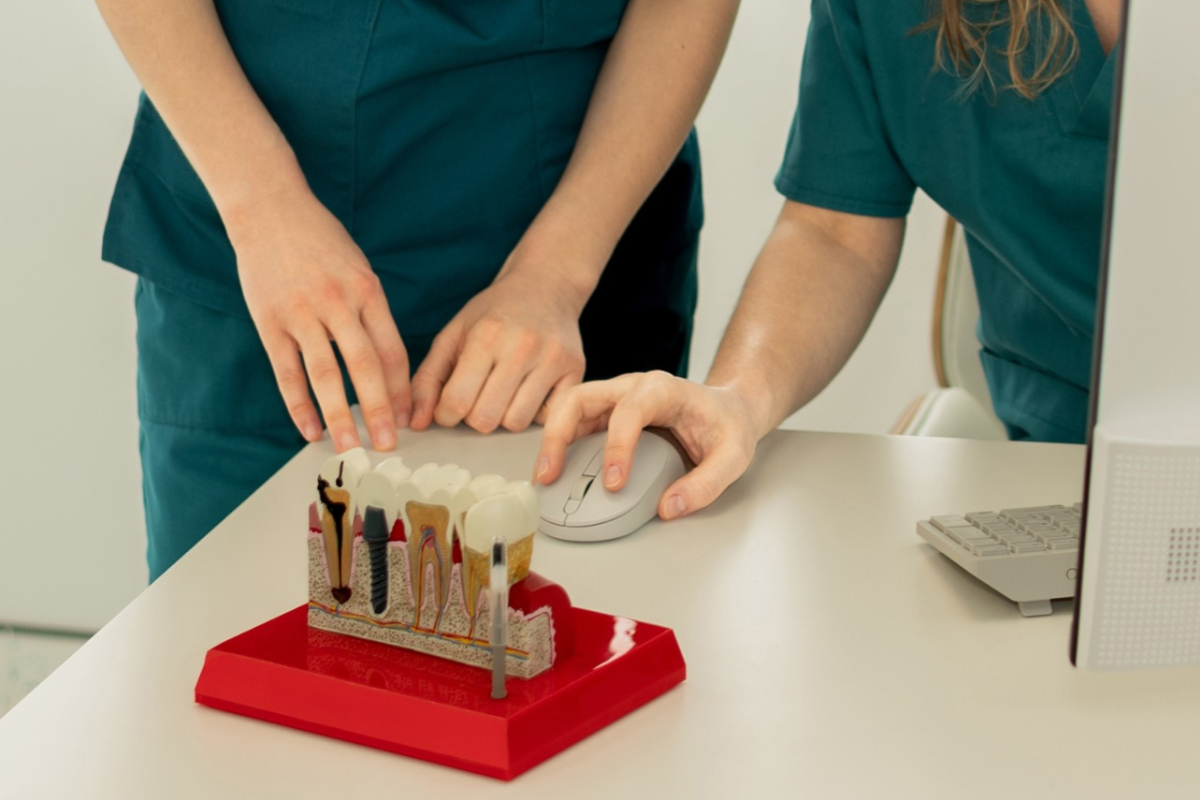
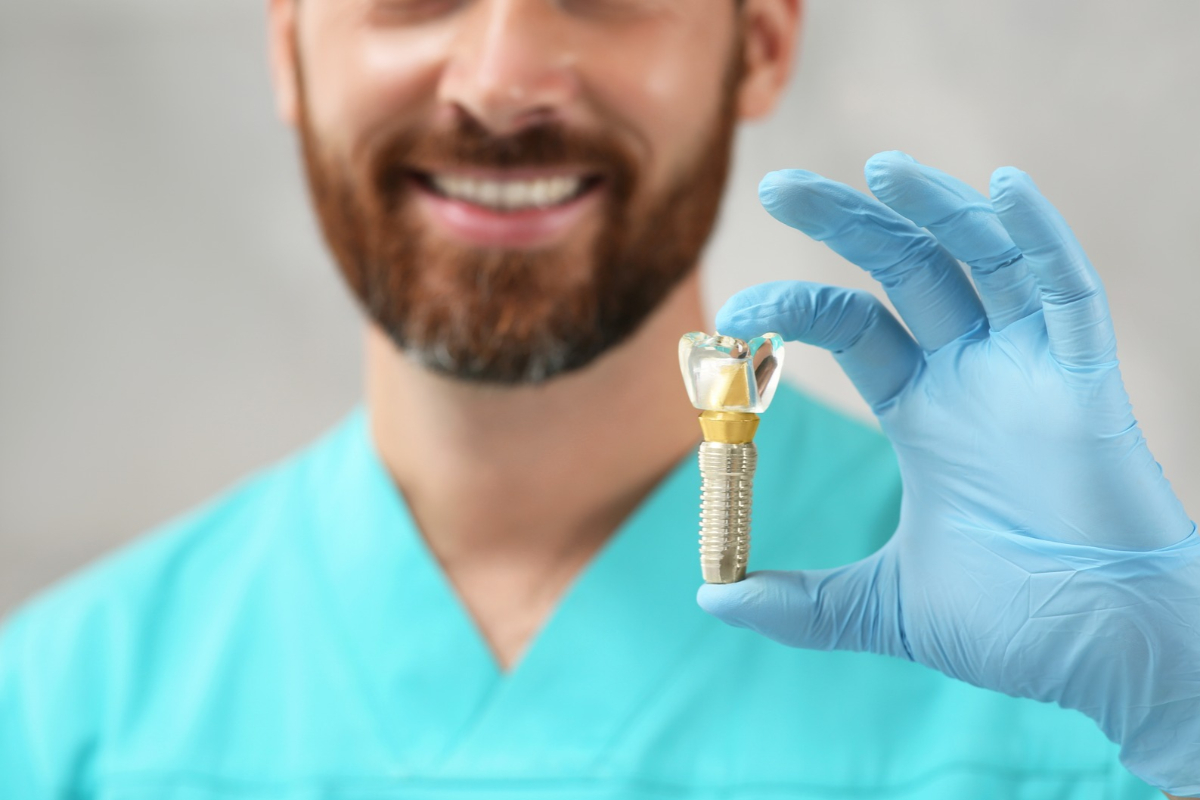
A dental implant consists of a small post placed in the jawbone, an abutment, and a replacement tooth or crown. The implant post needs healthy surrounding bone and gum tissue to remain stable.
Although the artificial crown cannot develop tooth decay, bacteria can collect around the implant and irritate the surrounding gums. This condition may lead to peri-implant mucositis, an early form of inflammation around an implant. If the inflammation progresses and affects the supporting bone, it can develop into peri-implantitis.
Routine examinations help identify these changes before they cause more significant damage.
During a dental implant health check, a periodontal professional may:
- Examine the gum tissue around the implant.
- Check for bleeding, swelling, or signs of infection.
- Assess the implant’s stability.
- Measure the depth of the tissue surrounding the implant when appropriate.
- Review bite alignment and how the replacement tooth fits.
- Evaluate supporting bone levels using dental imaging when indicated.
These checks provide a clearer picture of implant health than appearance or comfort alone.
Signs Your Dental Implant Needs Attention
You do not need to wait until your next scheduled visit if something feels unusual. Certain changes around an implant deserve professional attention.
Red or Swollen Gums Around the Implant
Healthy gum tissue around an implant should not remain swollen, tender, or unusually red. These changes may indicate irritation or inflammation caused by plaque buildup.
Occasional mild irritation can have several causes, but persistent inflammation should not be ignored.
Bleeding When Brushing or Flossing
Bleeding around an implant is not something to dismiss as normal. It may be an early sign of inflammation in the surrounding gum tissue.
If you regularly notice blood while cleaning around your implant, arrange an examination rather than simply avoiding the area.
Pain or Tenderness While Chewing
A properly integrated implant should generally feel stable during normal chewing. New discomfort when biting or chewing may point to gum inflammation, excessive biting pressure, or an issue with the crown or implant components.
Pain does not always mean the implant is failing, but it deserves evaluation.
Implant Movement or a Loose Crown
An implant post should remain firmly supported by the jawbone. If the replacement tooth feels loose, the crown or abutment may need attention. Actual movement of the implant post is more concerning and requires prompt professional assessment.
Avoid trying to tighten or adjust anything yourself.
Changes in Gum Shape or Receding Tissue
If the gums around your implant appear to be pulling away, exposing more of the implant or changing the appearance of the surrounding area, arrange a check-up.
Gum recession can affect appearance and may make cleaning more difficult. A periodontal examination can help identify the cause.
Persistent Bad Breath or an Unpleasant Taste
Ongoing bad breath or an unpleasant taste near an implant may be associated with trapped food, plaque buildup, or infection.
These symptoms are not enough to diagnose a complication on their own, but they should be checked if they persist.
How Often Should You Check Dental Implants?
The answer depends on your oral health, history of gum disease, implant condition, and ability to maintain daily hygiene.
Many patients benefit from professional dental examinations and cleanings every six months. However, people with a history of periodontal disease, previous implant inflammation, or other risk factors may need more frequent monitoring.
Your provider can recommend an appropriate schedule based on your individual needs.
What Happens During a Dental Implant Follow-Up Appointment?
A dental implant follow-up appointment gives your periodontal professional an opportunity to monitor changes and address concerns.
Depending on your stage of treatment, the visit may include:
- Medical and dental history review: Your provider may ask about medications, health changes, smoking, and any recent discomfort.
- Gum examination: The surrounding tissue is checked for bleeding, swelling, and inflammation.
- Implant assessment: Your provider evaluates the implant and restoration for stability or mechanical problems.
- Bite evaluation: The way your teeth meet is checked for excessive pressure on the implant.
- Imaging when necessary: X-rays may help assess supporting bone levels and identify changes that cannot be seen during a visual examination.
These steps help establish whether your implant is healing normally or needs additional care.
What Can Happen If You Skip Implant Maintenance?
Skipping regular visits may allow small problems to progress without your knowledge.
One important concern is peri-implantitis, which affects the tissues and bone supporting an implant. Early inflammation may be manageable with professional cleaning and improved home care. However, when supporting bone becomes involved, treatment can become more complex.
Other possible concerns include:
- Bacterial buildup around the implant.
- Gum recession and tissue changes.
- Crown or abutment loosening.
- Changes in supporting bone.
- Reduced implant stability.
Not every implant develops these complications. However, routine monitoring makes it easier to identify warning signs and respond appropriately.
Dental Implant Maintenance and Care Between Visits
Professional examinations are important, but your daily habits also influence long-term implant health.
Brush Twice a Day
Use a soft-bristled toothbrush and clean around the implant carefully. Pay particular attention to the gumline, where plaque can collect.
Clean Between Your Teeth
Use an appropriate interdental brush, floss, or other cleaning aid recommended by your dental professional. The best option depends on the shape of your implant restoration and the space around it.
Avoid Smoking
Smoking can interfere with gum health and healing. It is also associated with an increased risk of complications around dental implants.
Pay Attention to Changes
Notice any bleeding, swelling, discomfort, or movement around the implant. Early communication with your provider can prevent unnecessary delays in treatment.
When Should You Schedule an Implant Check-Up?
You should arrange a professional examination if you notice bleeding, persistent swelling, pain while chewing, gum recession, or an unusual taste around your implant.
Do not wait for your next routine visit if the implant feels loose. Contact your provider promptly, especially if you experience significant pain, pus, or increasing swelling.
For patients in Wheat Ridge, CO, Colorado Periodontal Associates focuses on periodontal health and the tissues that support dental implants. Whether you need routine monitoring or have noticed a recent change around an existing implant, a periodontal evaluation can help determine the appropriate next steps.
Taking care of your implant is an ongoing process, not something that ends once the crown is placed. If you have concerns about your implant or are due for a professional evaluation, contact us today to schedule an appointment.
Frequently Asked Questions
Do dental implants need professional cleaning?
Yes. Dental implants need regular professional maintenance to remove plaque and deposits around the restoration and surrounding gum tissue. Your provider will use cleaning instruments appropriate for implant surfaces.
Can a dental implant fail without causing pain?
Yes. Early gum inflammation and some changes in supporting bone may develop without noticeable pain. This is one reason routine examinations are important, even when your implant feels completely normal.
What are the early warning signs of dental implant complications?
Common warning signs include bleeding gums, redness, swelling, persistent bad breath, tenderness, and changes in gum appearance. Implant movement or a loose restoration also requires professional evaluation.
How long should a dental implant last with proper care?
Dental implants can last for many years, and some remain functional for decades. Their longevity depends on factors such as bone health, oral hygiene, smoking habits, overall health, and regular professional maintenance. No specific lifespan can be guaranteed.
Should I visit a periodontist if my dental implant feels loose?
Yes. A loose implant crown and a moving implant post are different problems, but both need professional assessment. Avoid chewing on the affected side until you receive guidance, and do not attempt to tighten the restoration yourself.