



It often starts with a small moment — maybe you’re flossing and notice a tooth shift slightly, or biting into something firm suddenly feels different. While it may not hurt right away, the feeling can stay with you. Many people immediately wonder if they are going to lose a tooth.
The reassuring part is that loose teeth do not always mean removal is the only option. With timely care and the right loose teeth treatment, it is often possible to stabilize teeth and protect your natural smile.
Here in Wheat Ridge, CO, patients frequently lead active lives filled with work, family responsibilities, and time outdoors. Because of busy routines, early dental changes sometimes go unnoticed. Seeking periodontal treatment for loose teeth sooner rather than later can help control infection, strengthen support structures, and reduce the risk of future tooth loss.
What Causes Loose Teeth in Adults?
Permanent teeth are designed to stay firmly anchored in the jaw. When they begin to move, it usually signals that the supporting tissues need attention.
The Most Common Causes
Gum disease (periodontitis)
The leading cause of tooth mobility is periodontitis — a gum infection that gradually damages soft tissue and the bone surrounding teeth. Without treatment, this process can weaken the foundation that keeps teeth stable.
Bone loss in teeth
Think of bone as the base of a house. When that base starts to shrink, the structure above it becomes less secure.
Receding gums
As gums pull away from the teeth, small pockets form where bacteria can collect, making inflammation harder to control.
Grinding or bite pressure
Ongoing stress from clenching or grinding can strain the ligaments that hold teeth in place.
Injury
Sports activities, accidental falls, or even biting something unexpectedly hard may loosen a tooth.
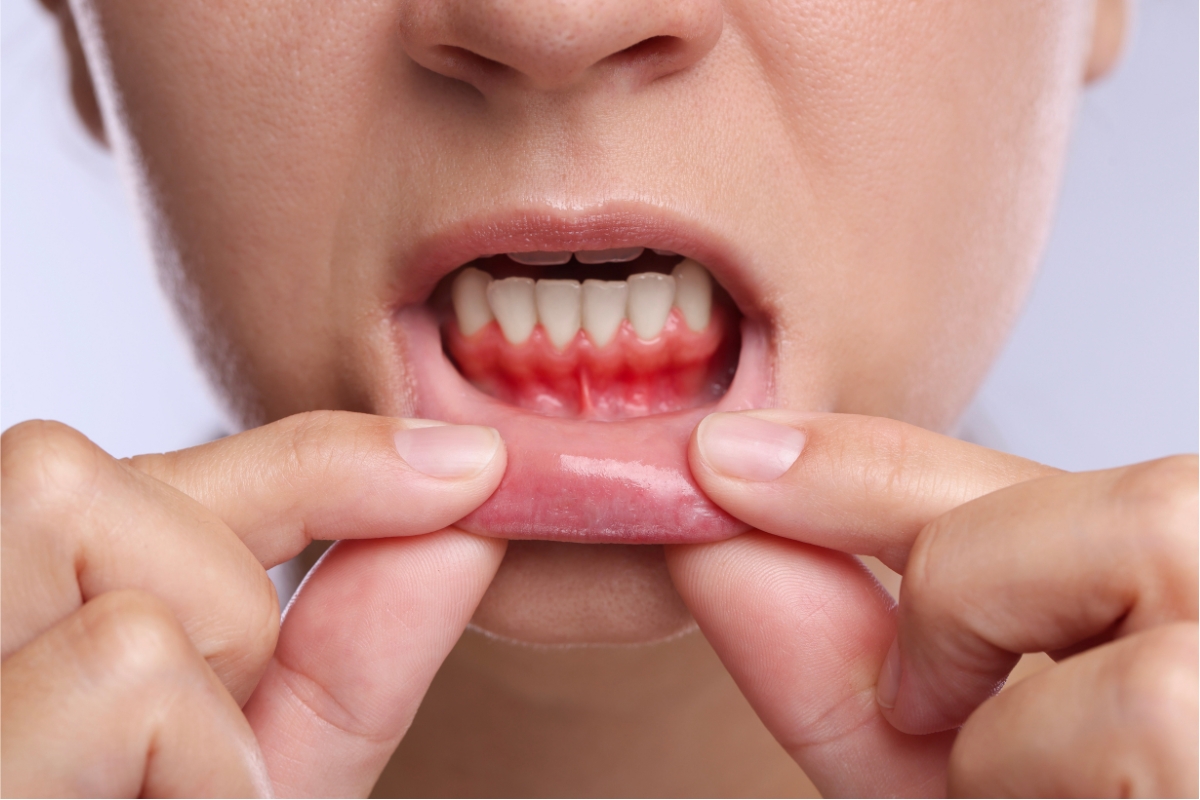
Common signs of periodontal disease include bleeding gums, tenderness, persistent bad breath, and teeth that appear longer than they once did.
According to the Centers for Disease Control and Prevention, nearly 1 in 2 adults over age 30 in the United States has some form of gum disease, making it one of the most widespread oral health concerns — and one that benefits greatly from early care.
Can a Loose Tooth Heal Naturally?
This is often the first question patients ask. The answer depends on the cause.
If the looseness is related to minor trauma, the surrounding ligament fibers may tighten again with time. However, when gum infection is involved, the condition typically does not improve without professional support.
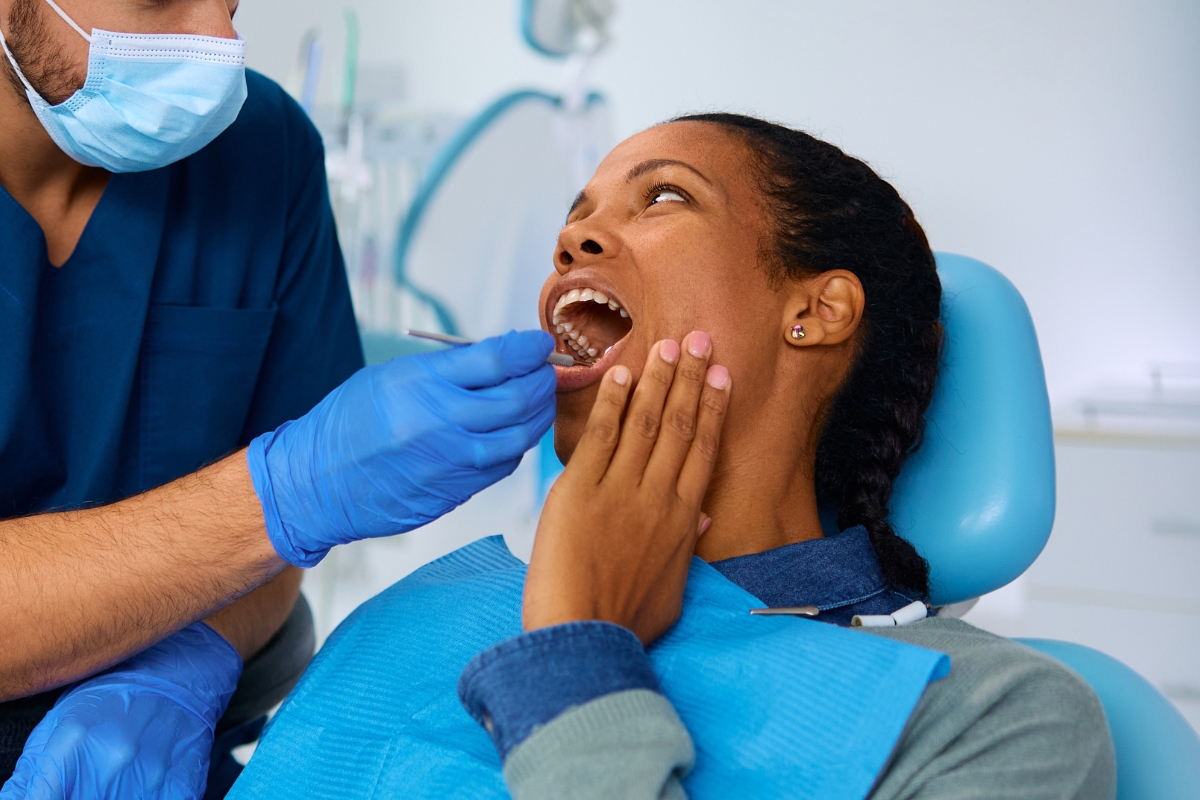
A periodontist, who focuses on the health of gums and bone, works to identify the source of mobility and create a plan centered on saving natural teeth whenever possible.
How Periodontal Treatment Helps Stabilize Teeth
Modern periodontal care is not just about treating disease — it is about preserving the structures that keep your smile functional and comfortable.
Deep Cleaning for Gum Disease
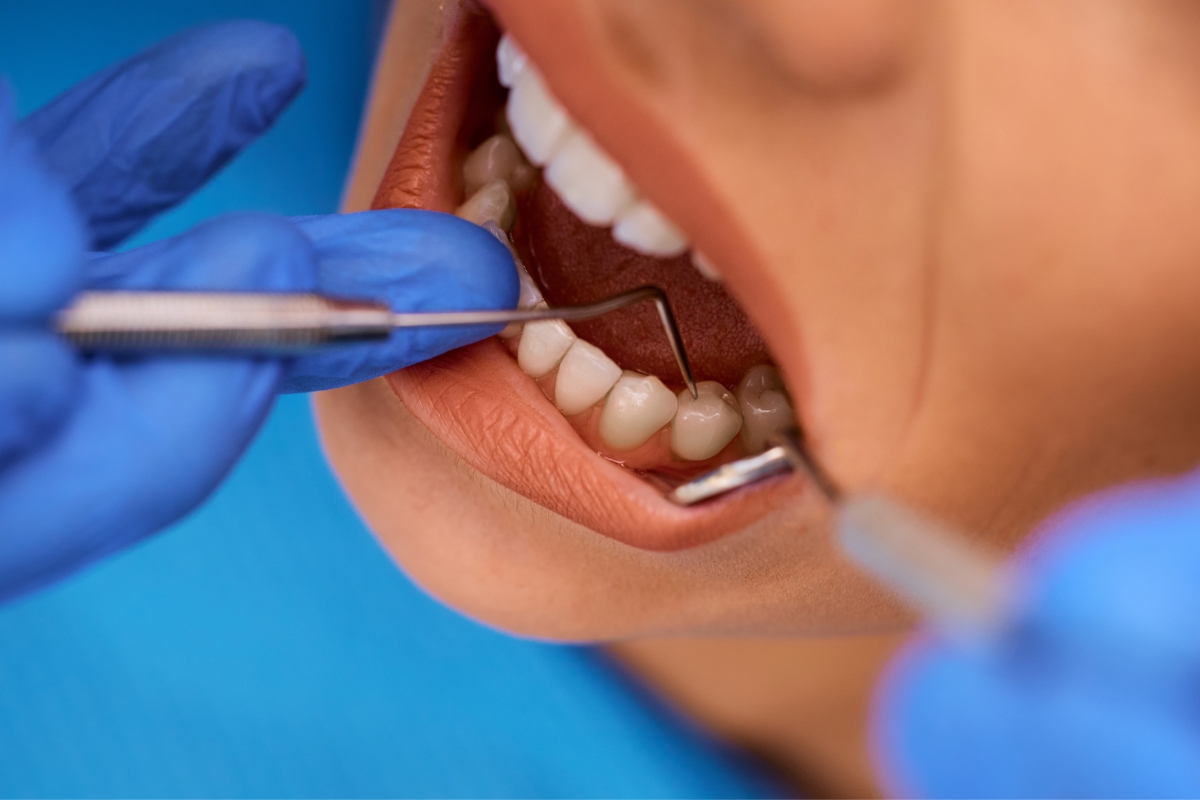
One of the most recommended starting points is scaling and root planing, often referred to as deep cleaning.
This treatment removes hardened plaque and bacteria from beneath the gumline and smooths the tooth roots. As inflammation decreases, gums can begin to reattach, helping reduce movement.
Research consistently shows that early gum disease treatment can slow the progression of periodontitis and tooth mobility, giving teeth a better chance to remain stable.
Advanced Periodontal Therapy
When infection extends deeper, advanced periodontal therapy may be suggested. These treatments focus on eliminating bacteria that regular cleanings cannot reach while supporting dental bone support.
Your periodontist may also use targeted antimicrobial therapies to encourage healing and improve tissue health.
Regenerative Periodontal Procedures
If bone loss has already occurred, regenerative periodontal procedures may help rebuild what was lost.
Bone grafting techniques stimulate new bone growth around the tooth, strengthening its base. While every situation is unique, these approaches have helped many patients avoid extraction.
An experienced periodontist carefully evaluates whether regeneration is likely to provide predictable results.
Tooth Stabilization Options
After infection is controlled, the next step is reducing tooth movement so the area can heal.
Splinting Teeth
Splinting teeth involves gently bonding a loose tooth to neighboring teeth. Sharing the workload helps minimize stress and can make chewing feel more natural again.
Bite Adjustment
If uneven bite pressure contributes to the problem, adjusting specific contact points can reduce strain and improve comfort.
Periodontal Maintenance
Ongoing visits are one of the most effective ways of preventing tooth loss. Patients who follow a personalized maintenance schedule often experience better long-term outcomes.
Daily Habits That Help Protect Your Teeth
Professional care works best when paired with consistent home habits. Small actions can make a meaningful difference:
- Brush twice daily with a soft-bristled toothbrush
- Clean between teeth to remove bacteria
- Consider antimicrobial rinses if recommended
- Avoid tobacco products, which can slow healing
- Keep regular periodontal appointments
Together, these steps support effective gum infection treatment and promote healthier gums.
A Local Perspective in Wheat Ridge, CO
Many people in Wheat Ridge enjoy staying active — whether walking local trails, commuting into nearby Denver, or balancing full family schedules. With so much going on, it can be easy to dismiss subtle dental symptoms until they begin affecting daily comfort.
Periodontists often emphasize that early evaluation allows for more conservative treatment.
Environmental factors such as dry climate conditions and seasonal changes may also influence oral health, making individualized care especially important.
If a tooth feels different or your gums appear to be changing, it may be time to consult with a periodontist who can recommend the most appropriate loose teeth treatment before the condition progresses.
When Is Tooth Removal Necessary?
Dentistry focuses on preservation whenever possible. However, severe bone loss in teeth can sometimes leave too little support for recovery.
If a tooth cannot be stabilized, your periodontist will explain replacement options designed to maintain comfort and function while protecting neighboring teeth. The goal is always thoughtful, long-term oral health.
Final Thoughts
Discovering a loose tooth can feel concerning, but it is often a signal that your gums and supporting structures need attention — not a certainty that the tooth will be lost.
Today’s periodontal therapies offer reliable ways to manage infection, restore support, and protect your smile. Acting early gives you the strongest chance of keeping your natural teeth.
If you have noticed tooth movement, bleeding gums, or other changes, scheduling an evaluation with a periodontist can provide clarity and a personalized care plan. Taking this step early may help protect your smile for years to come.
Frequently Asked Questions
Can loose teeth become firm again after treatment?
In many cases, yes. Once inflammation is reduced and tissues heal, teeth often feel more stable.
Is deep cleaning uncomfortable?
Local anesthesia is typically used, and most patients tolerate the procedure well.
How long does recovery take?
Early healing may occur within a few weeks, though full stabilization depends on the severity of the condition.
Are loose teeth always caused by gum disease?
Not always. Trauma, grinding, or bite imbalance can also contribute, but gum disease remains the most common cause.
When should I see a periodontist?
If you notice bleeding gums, recession, persistent bad breath, or tooth movement, it is wise to seek an evaluation promptly.