



A broken tooth can feel overwhelming—whether it cracks during a meal, breaks after a fall, or becomes too damaged to save. When that happens, the first thought most people have is, “Can I fix this right now?” That urgency is natural, especially when you’re dealing with pain, swelling, or visible damage you don’t want to live with.
For many patients in communities like Wheat Ridge, where daily life moves fast and access to emergency dentistry is valued, the idea of replacing a broken tooth immediately with an implant is especially appealing. The good news? In many cases, it is possible—under the right conditions. Before deciding, it helps to understand how immediate dental implant treatment works and when a periodontist may consider it the best solution.
Can a Broken Tooth Be Replaced Immediately With an Implant?
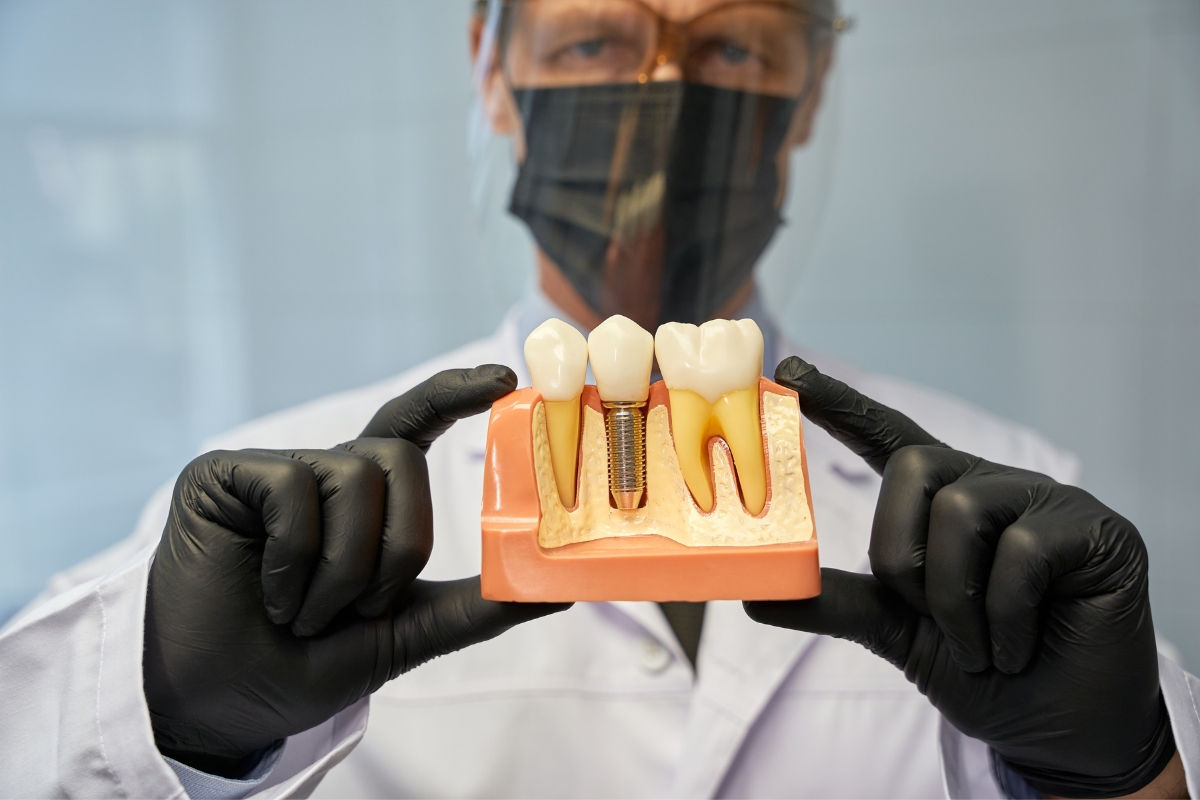
In many situations, yes. An immediate dental implant can be placed at the same appointment as a tooth extraction, as long as the bone and surrounding tissues are healthy enough to support it. This is one reason patients contact an implant dentist Wheat Ridge residents trust whenever they face a sudden dental emergency.
Immediate placement is often recommended when:
- The tooth root cannot be saved
- There is no active infection
- The surrounding bone is strong
- A stable implant can be anchored on the same day
According to data referenced in implant dentistry studies, immediate implants have success rates above 95%, closely matching the success of traditional implant timelines. This approach reduces the number of appointments and may help preserve natural bone structure.
A periodontist, who specializes in gum and bone health, is often the best professional to evaluate whether same-day treatment is possible.
When Immediate Implants Make Sense
The Damage Is Irreversible but Localized
If the tooth is fractured below the gumline or split vertically, extraction becomes the safest option. A quick replacement with an implant can prevent shifting of nearby teeth and preserve your bite.
Your Bone Health Is Strong
Bone density plays a vital role. A periodontist evaluates the thickness and stability of your jawbone to ensure the implant can secure properly. Healthy bone increases the likelihood of same-day extraction and implant placement.
There Is No Infection Present
If there’s active infection—such as swelling, abscesses, or bone loss—immediate placement may not be recommended. In this case, the area must heal before the implant is placed to ensure long-term success.
What to Expect During a Same-Day Extraction and Implant
Evaluation and Imaging
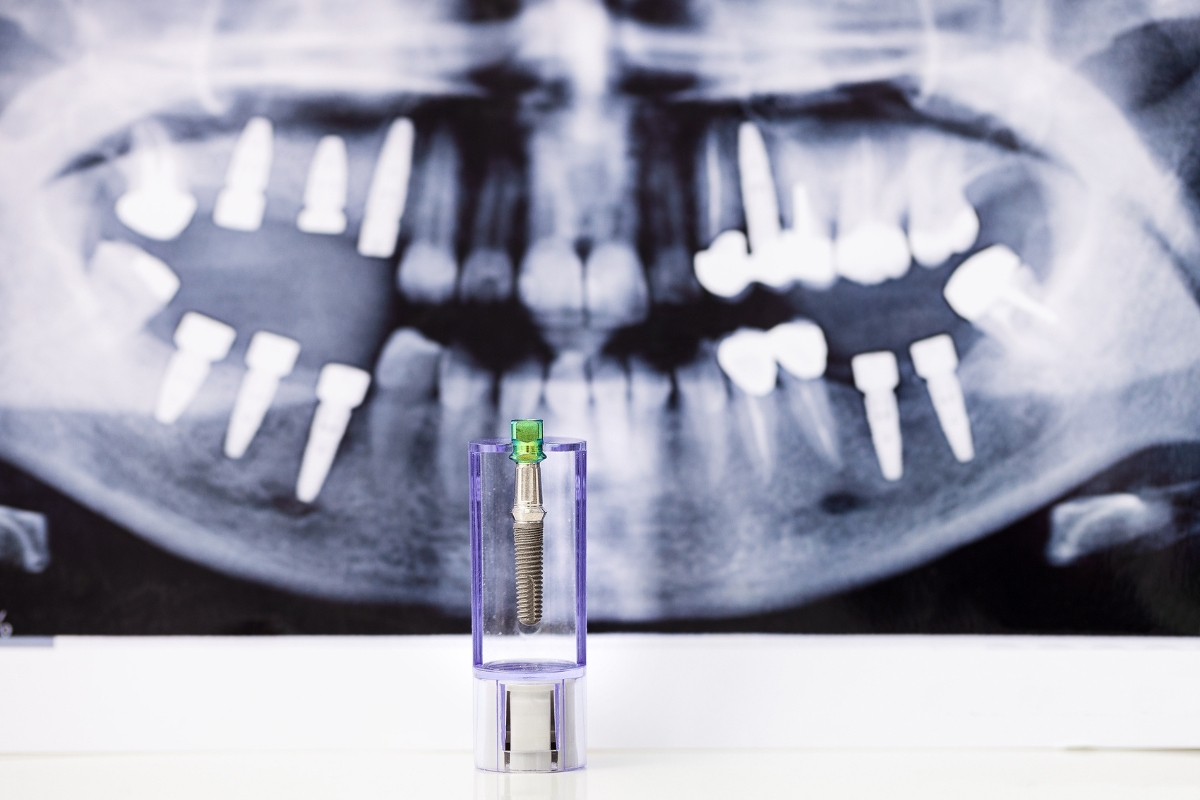
Digital scans help your implant dentist assess bone volume and map out precise placement, often using guided technology.
Extraction and Implant Placement
If suitable, the damaged tooth is removed, and the implant is positioned into the socket. This part of the procedure is planned meticulously to reduce trauma and support stability.
Temporary Crowns May Be Used
To maintain comfort and appearance, temporary crowns are often placed. These aren’t meant for chewing but help maintain natural function and protect your implant as it heals.
Healing Time Still Applies
Even with same-day placement, full healing still takes several months as the bone integrates with the implant. This process ensures the durability of your permanent replacement.
How a Periodontist Helps Improve Outcomes
Because immediate implants depend heavily on bone quality and gum tissue health, a periodontist plays a key role in treatment planning. Their training focuses on:
- Preservation of jawbone
- Management of complex dental emergencies
- Long-term stability of implants
- Minimizing risk of complications
Emergency Dentistry Factors That Influence Your Options
Extent of the Tooth Break
A small chip is usually repairable, but a deep or vertical fracture is not. Imaging reveals how far the damage goes.
Time Since Injury
Seeking care quickly improves the chances of qualifying for an immediate dental implant. Delayed treatment may allow bacteria to spread, making the area incompatible with same-day placement.
Systemic Health Conditions
Conditions like uncontrolled diabetes, smoking habits, or osteoporosis may impact healing and implant stability.
Data-Based Insights Patients Should Know
- About 120 million Americans are missing at least one tooth (ADA data).
- Dental implants have an overall success rate of 95–98%.
- Immediate implants reduce treatment time by up to 50%, according to clinical studies.
- Strong bone density is the leading predictor of immediate implant success.
Pros and Cons of Immediate Implant Placement
Advantages
- Faster tooth replacement
- Fewer appointments
- Helps maintain bone structure
- Avoids unnecessary gaps
- Can reduce the emotional impact of tooth loss
Drawbacks
- Not suitable for every patient
- Infection or low bone density may delay the process
- Temporary crowns are not designed for strong chewing
Frequently Asked Questions
How do I know if I qualify for an immediate implant?
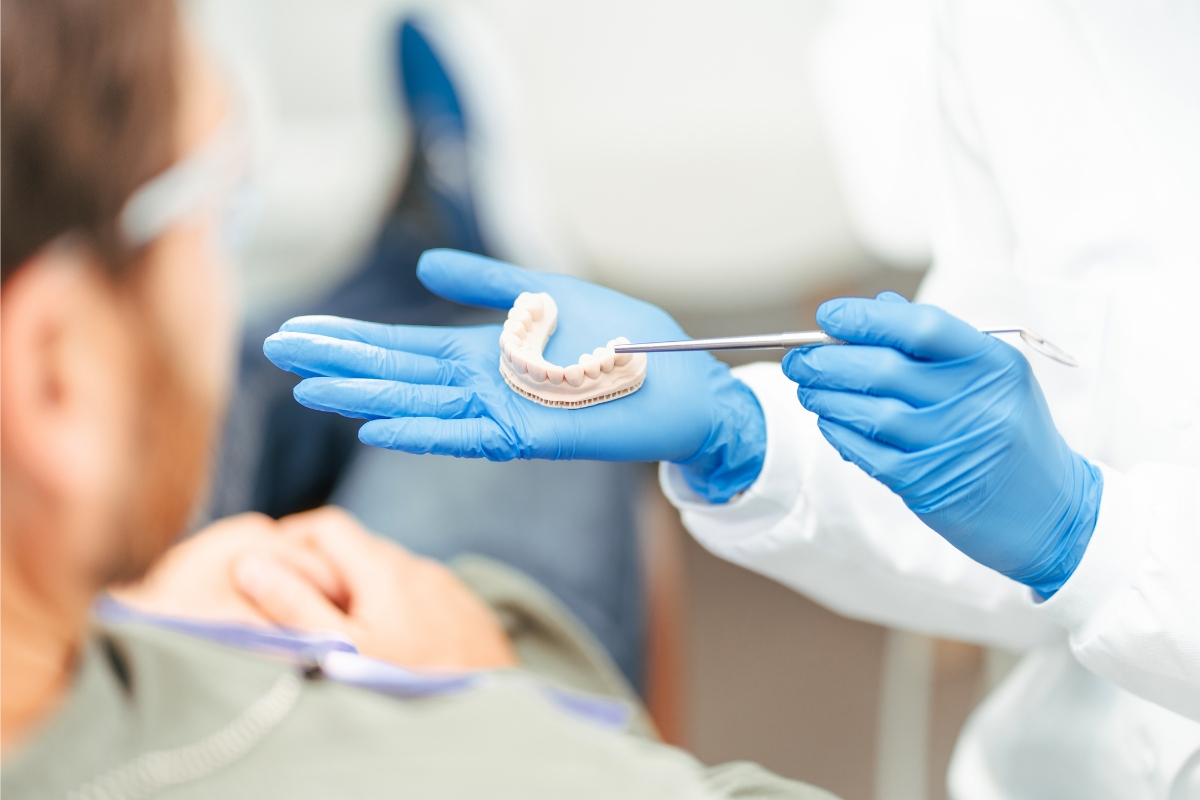
A periodontist evaluates your bone health, gum condition, and presence of infection through clinical exams and digital imaging.
Is it painful to get a same-day extraction and implant?
Most patients report only mild soreness afterward, thanks to modern anesthesia and controlled surgical techniques.
Can an implant fail if placed immediately?
While rare, failure can happen if bone stability is low, infection is present, or excessive pressure is applied too early.
How long does an immediate implant take to heal?
Though placement is fast, full integration typically takes 3–6 months.
What if my tooth breaks after hours?
Many office teams provide guidance or emergency dentistry support. Contact your implant provider as soon as possible.
Final Thoughts
Replacing a broken tooth immediately with an implant is possible for many patients, especially when evaluated by a skilled periodontist who understands bone health and implant stability. The key is early intervention, proper imaging, and a personalized treatment plan that supports long-term success.
If your tooth breaks suddenly or you’re unsure what to do next, reaching out for a professional evaluation can help you regain comfort, function, and confidence.