



If your gums bleed when you brush, it’s easy to shrug it off. But that small symptom could be pointing to something more serious. Many people in Wheat Ridge and across the U.S. experience gum issues without realizing how closely oral health is tied to their overall well-being. Understanding the difference between gingivitis and periodontitis can make the difference between reversible gum irritation and long-term damage.
As a Wheat Ridge periodontist, we often see patients who wished they’d acted sooner. Let’s break down these two conditions, explore how they differ, and help you understand when it’s time to seek professional dental services.
Gingivitis vs. Periodontitis – A Quick Overview
What is Gingivitis?
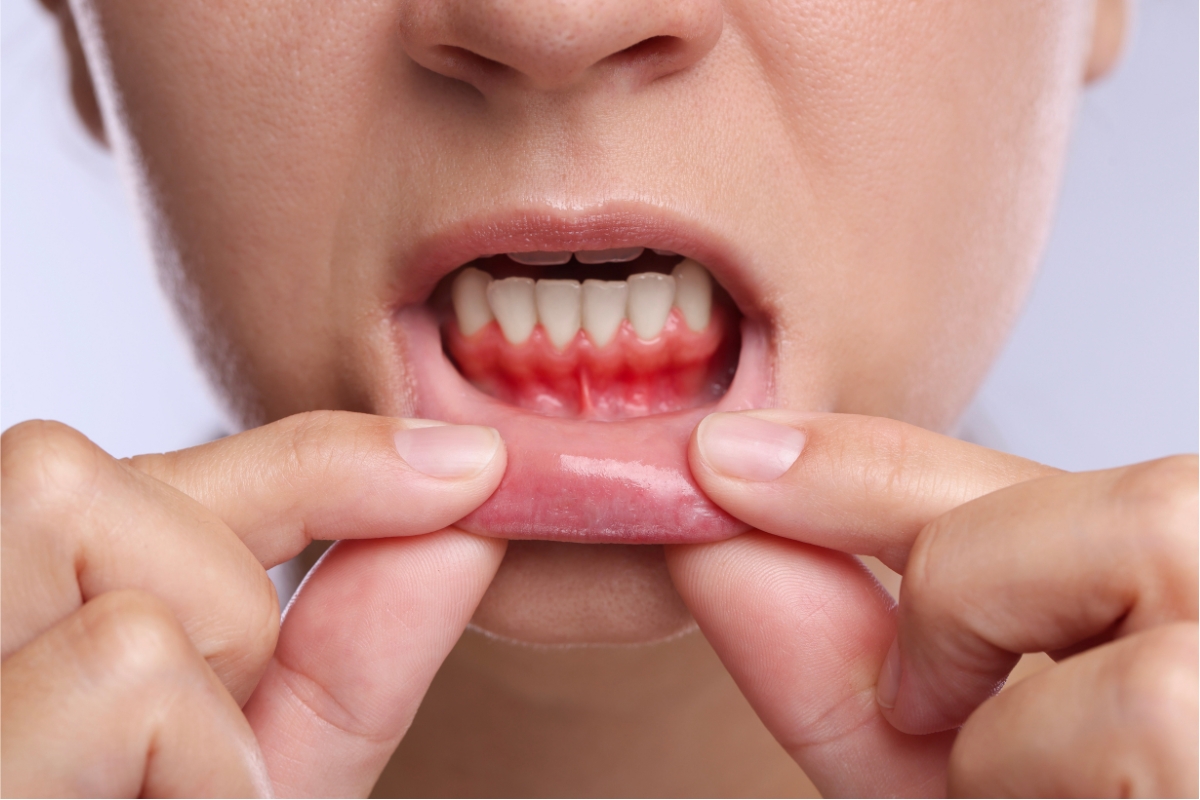
Gingivitis is the earliest stage of gum disease. It usually starts with inflammation caused by plaque buildup on the teeth. Common signs include:
- Red, swollen gums
- Bleeding during brushing or flossing
- Persistent bad breath
The good news? Gingivitis is reversible with good oral hygiene and professional cleanings. If caught early, it won’t leave permanent damage.
What is Periodontitis?
Periodontist is a more advanced and serious form of gum disease. It occurs when gingivitis goes untreated, allowing bacteria to invade the deeper structures of the gums and jawbone. Over time, this can lead to:
- Gum recession
- Loose teeth
- Bone loss
- Tooth loss
Unlike gingivitis, periodontitis requires more intensive treatment, often involving deep cleanings, antibiotics, or even surgical interventions by a periodontist.
Why Does the Difference Matter?
Data Says You Shouldn’t Wait
According to the Centers for Disease Control and Prevention (CDC), nearly 47% of adults over 30 in the U.S. have some form of periodontal disease. That number climbs with age, reaching 70% for adults 65 and older.
Early intervention is key. While gingivitis can be reversed, periodontitis can only be managed—not cured. The longer you wait, the more extensive (and expensive) the treatment becomes.
How Do You Know Which One You Have?
Only a dentist or periodontist in Wheat Ridge can give a definitive diagnosis, but here are some telltale differences:
| Symptom | Gingivitis | Periodontitis |
|---|---|---|
| Gum Color | Red or purple | Dark red or receding |
| Bleeding | During brushing | Spontaneous or frequent |
| Pain | Mild or none | Discomfort or pain while chewing |
| Tooth Mobility | Stable | May feel loose |
| Breath | Bad breath occasionally | Persistent halitosis |
Common Risk Factors
You may be more likely to develop gum disease if you:
- Smoke or use tobacco
- Have diabetes or a weakened immune system
- Are pregnant or experiencing hormonal changes
- Have poor dental hygiene habits
- Avoid routine dental services like cleanings and checkups
Treatment Options – What Can a Periodontist Do?
When gingivitis progresses, general dentists may refer you to a periodontist for specialized care. In Wheat Ridge, periodontists offer tailored treatments like:
Scaling and Root Planing
A deep-cleaning procedure that removes plaque and tartar below the gum line and smooths the root surface to help gums reattach.
Antibiotic Therapy
Topical or oral antibiotics may be prescribed to control bacterial infection in the gum pockets.
Gum Surgery
In more severe cases, surgical options like flap surgery, bone grafts, or soft tissue grafts may be necessary to restore stability and prevent tooth loss.
How to Prevent Gum Disease
Prevention starts at home, but it’s powered by consistency and professional help.
At-Home Care
- Brush twice a day with fluoride toothpaste
- Floss daily
- Use an antimicrobial mouthwash
- Stay hydrated to prevent dry mouth
Professional Dental Services
- Schedule cleanings every 6 months
- Get regular gum evaluations
- Follow through with any treatment plans or maintenance visits recommended by your periodontist
Local Spotlight – Gum Health in Wheat Ridge, CO
Living in Wheat Ridge means you have access to a wide range of high-quality dental services. But even with easy access, many residents delay gum care due to lack of awareness or time. By recognizing early signs of gingivitis and understanding the risks of periodontitis, you can protect your smile for years to come.
Looking for a trusted Wheat Ridge periodontist? Our local team understands the specific oral health trends and needs in the area, including dry climate challenges and lifestyle factors that affect gum health.
Trusted Resources
For more detailed information about gum disease stages and treatment options, visit the American Dental Association (ADA).
FAQs
Q: Is gingivitis always a sign that periodontitis will develop?
Not necessarily. If treated early, gingivitis won’t progress. However, if ignored, it increases the risk of developing periodontitis significantly.
Q: Can periodontitis be cured?
No, but it can be managed effectively. Regular visits to your periodontist, good oral hygiene, and follow-up care can keep it under control.
Q: Are bleeding gums normal?
No. Bleeding gums are often the first sign of gingivitis. It’s a warning sign your body gives you—don’t ignore it.
Q: How often should I see a periodontist?
If you’re at risk or have been diagnosed with gum disease, your periodontist may recommend visits every 3-4 months, instead of the usual 6-month interval.
Conclusion: Don’t Wait for Small Problems to Become Big Ones
The difference between gingivitis and periodontitis isn’t just technical—it’s a matter of long-term health and comfort. Recognizing early signs, making time for regular dental services, and seeking expert help when needed can save your teeth and support your overall health.
Whether you’ve noticed bleeding gums or haven’t seen a dentist in a while, a Wheat Ridge periodontist can provide a clear diagnosis and a treatment plan that fits your needs. Don’t let uncertainty or procrastination cost you your smile.
Schedule an Appointment today and take the first step toward healthier gums.