

Living with missing teeth can be frustrating—not only does it affect your smile, but it can also make everyday activities like eating and speaking more difficult. For many people in Wheat Ridge, dental implants are seen as a life-changing solution that restores both function and confidence. But if you’ve struggled with chronic gum disease in the past, you might wonder: how does it affect the long-term success of dental implants? This is an important question because healthy gums form the very foundation for implant stability and durability.
Understanding Dental Implants and Gum Health
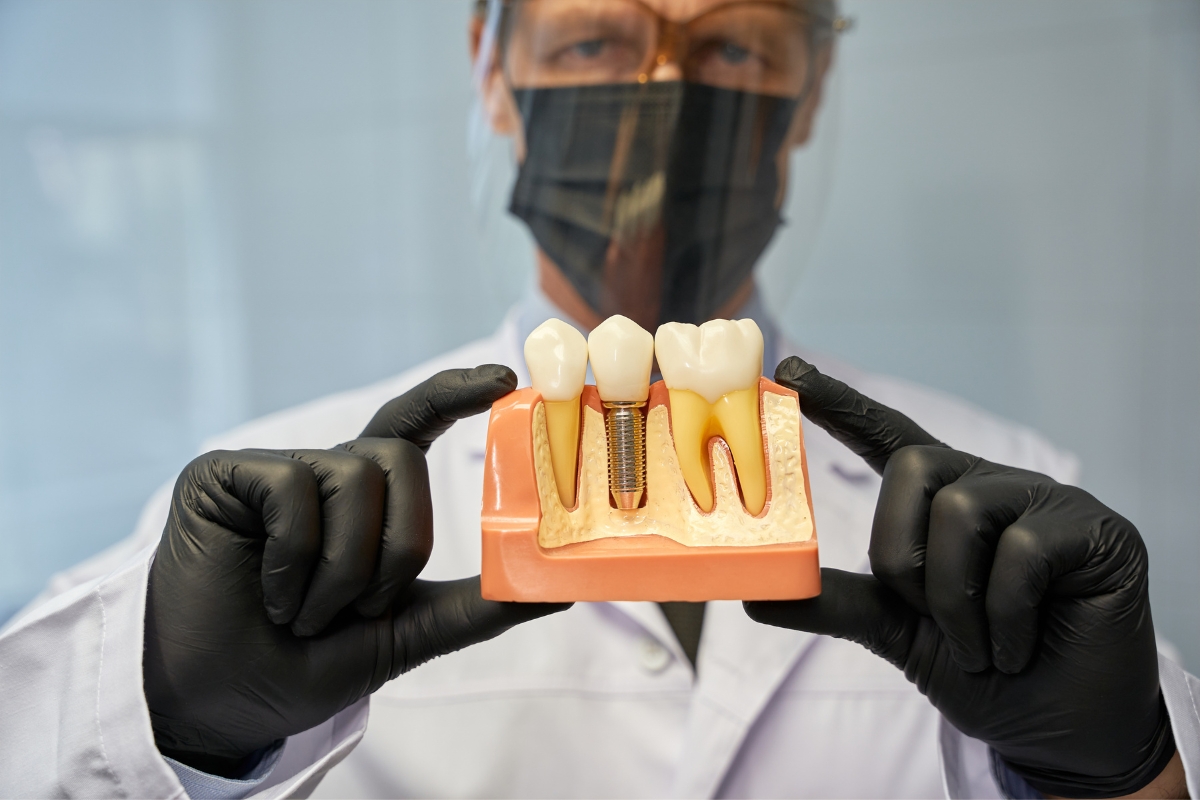
Dental implants are titanium posts placed into the jawbone, serving as a replacement for natural tooth roots. Over time, the implant fuses with the bone through a process called osseointegration, creating a secure base for a crown or bridge. This stability makes implants one of the most reliable tooth replacement options, often lasting decades with proper care.
However, the health of the surrounding gum tissue is critical. Just like natural teeth, implants rely on gum tissue and bone for support. Chronic gum disease, also known as periodontal disease, can compromise this support, putting your investment at risk.
If you’re exploring dental implants in Wheat Ridge, understanding the connection between gum disease and implant longevity can help you make informed decisions and protect your long-term results.
The Link Between Gum Disease and Implant Failure
How Gum Disease Progresses
Gum disease starts with gingivitis, which causes red, swollen gums that may bleed easily. If untreated, it can progress to periodontitis, where infection damages the bone and soft tissues that hold teeth in place. In the case of dental implants, a similar condition—called peri-implantitis—can occur. This inflammation targets the tissues surrounding the implant, leading to bone loss and potential implant failure.
Data on Implant Success and Gum Health
Studies show that patients with a history of chronic gum disease face higher risks of implant complications. According to data published by the American Dental Association (ADA), the success rate of dental implants remains above 90% for healthy patients, but gum disease can significantly reduce this percentage. In fact, peri-implantitis affects approximately 20% of implant patients within five to ten years, particularly those with poor gum health.
Local Impact in Wheat Ridge
In communities like Wheat Ridge, where access to preventive dental care is readily available, early intervention can make a big difference. Regular visits to a periodontist near you can help manage gum disease effectively before and after implant placement, protecting the implant’s long-term durability.
Steps to Protect Implant Longevity if You Have Gum Disease
Address Gum Disease Before Implant Surgery
If you’ve been diagnosed with gum disease, your periodontist may recommend scaling and root planing, laser therapy, or surgical treatments before moving forward with implants. Ensuring the gums and jawbone are stable creates a stronger foundation for long-term implant durability.
Maintain Excellent Oral Hygiene
Brushing twice daily with a soft-bristle toothbrush, flossing around implants, and using antimicrobial rinses can reduce plaque buildup. Patients who maintain consistent oral hygiene see significantly lower risks of peri-implantitis.
Schedule Regular Dental Checkups
Ongoing care with a local Wheat Ridge periodontist ensures early detection of gum inflammation. Professional cleanings every 3–6 months can keep harmful bacteria under control and extend implant longevity.
Avoid Risk Factors
Lifestyle choices play a big role. Smoking, uncontrolled diabetes, and poor oral hygiene increase the risk of implant complications. By addressing these risk factors, you can significantly improve long-term results.
FAQs About Gum Disease and Implants
Can you get implants if you’ve had gum disease?
Yes, but treatment for gum disease must be completed first. Once your gums and bone are stabilized, implants can be placed successfully.
What happens if gum disease develops after implants?
If gum disease progresses into peri-implantitis, it can damage the bone supporting the implant. Early detection and treatment are crucial to prevent implant loss.
Are implants less durable for patients with a history of gum problems?
They can be, but with regular dental care and strict oral hygiene, many patients with a history of gum disease maintain their implants for decades.
Why Healthy Gums Mean Lasting Results
Dental implants are a long-term solution, but their success depends heavily on the condition of your gums and jawbone. Chronic gum disease doesn’t automatically disqualify you from getting implants, but it does mean you’ll need closer monitoring and ongoing maintenance to ensure implant durability.
If you live in Wheat Ridge and are considering dental implants, working closely with a local periodontist can help safeguard your investment. By treating gum disease early, following consistent oral hygiene habits, and committing to regular checkups, you can enjoy the confidence of a stable smile for years to come.