

Choosing dental implants is often a hopeful step. For many people, implants restore comfort, confidence, and the ability to enjoy everyday life again. So when swelling, bleeding, or soreness appears around an implant, it can feel unsettling—especially if everything seemed fine for months or even years.
This is where peri-implantitis enters the conversation. It’s not something most patients expect, and it’s rarely discussed until symptoms appear. Yet peri-implantitis is one of the most important conditions to understand if you want your implant to last long-term.
For patients in Wheat Ridge, CO, where periodontal health plays a major role in implant success, knowing how this condition develops—and how to prevent it—can help protect both your smile and your investment.
Understanding Peri-Implantitis
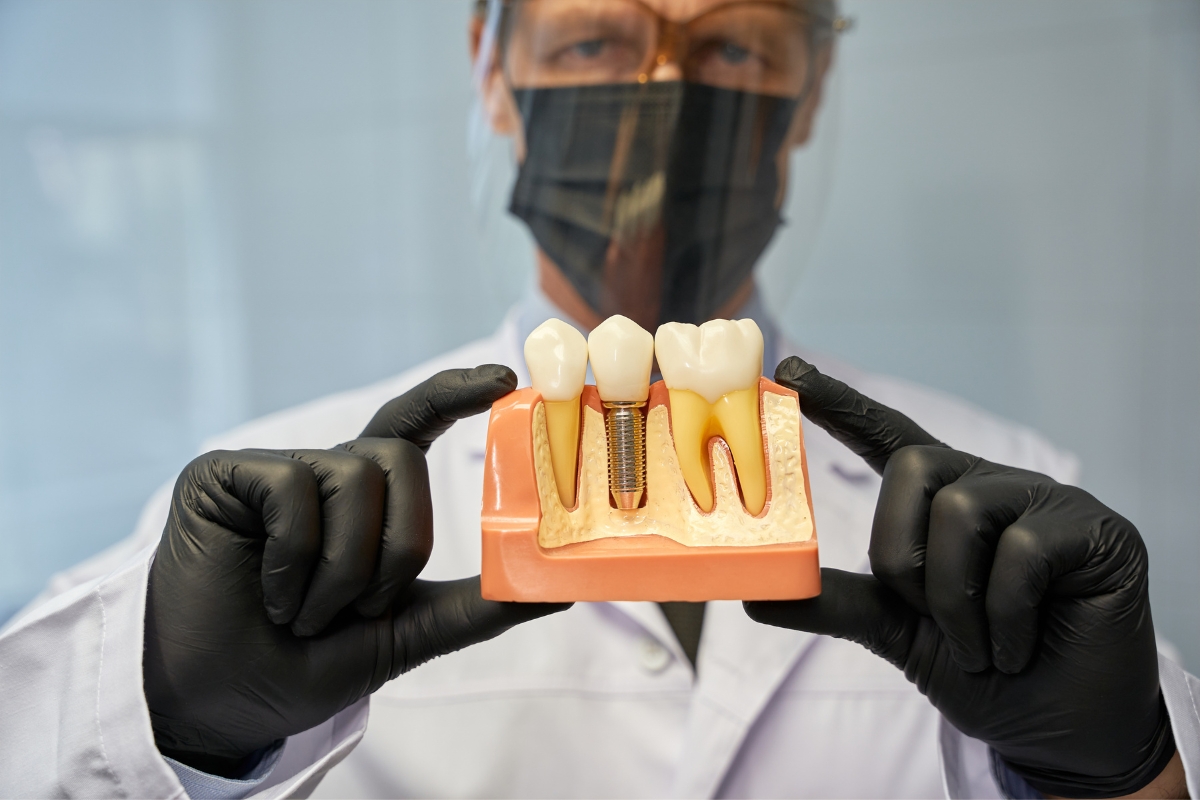
Peri-implantitis is a chronic inflammatory condition that affects the gum tissue and bone surrounding a dental implant. Over time, bacteria accumulate beneath the gumline, triggering gum inflammation and gradual bone loss around the implant post.
While dental implants are made from materials that don’t decay, the surrounding tissues behave much like natural gums. Once infection sets in, the implant can lose its support if the inflammation is not addressed.
This condition is often compared to advanced gum disease, but with one key difference: implants do not have the same protective ligament as natural teeth. That makes early intervention especially important.
When Does Peri-Implantitis Usually Appear?
Peri-implantitis does not usually happen immediately after implant placement. In many cases, it develops months or years later, often starting as mild inflammation that doesn’t cause pain.
Patients usually notice bleeding, tenderness, or changes in how the implant feels. At this stage, peri-implantitis has already begun affecting the surrounding tissue, which is why periodontal evaluation matters.
Clinical studies suggest that nearly 1 in 4 implant patients may experience peri-implantitis during their lifetime, especially without regular periodontal maintenance.
What Causes Implant Infection?
Implant infection rarely has a single cause. Instead, it develops when multiple risk factors come together.
Common Contributors Include:
- Inadequate cleaning around implants
- A past history of periodontal disease
- Smoking or nicotine use
- Medical conditions like diabetes
- Crowns or restorations that trap plaque
- Irregular professional cleanings
Periodontists often see that even patients who brush daily may miss hard-to-reach implant areas without specialized tools or guidance.
Signs That Shouldn’t Be Ignored
Peri-implantitis often progresses quietly, which makes routine checkups essential.
Symptoms May Include:
- Red or swollen gums around an implant
- Bleeding during brushing or flossing
- Persistent bad breath or unpleasant taste
- Receding gums exposing implant threads
- Pus or discharge near the implant
- Loosening of the implant in advanced cases
Pain is not always present. In fact, many patients are surprised by how little discomfort they feel despite active infection.
Why a Periodontist Plays a Key Role
A periodontist focuses on the health of the gums and bone—the very foundation that supports dental implants. This expertise becomes especially important when inflammation begins around an implant.
At Colorado Periodontal Associates, implant care doesn’t end once healing is complete. Instead, ongoing monitoring helps detect early changes before serious bone loss occurs.
Data from long-term implant studies shows that patients under consistent periodontal care experience significantly lower implant complication rates than those without structured follow-up.
Treatment Options for Peri-Implantitis
The treatment approach depends on how early the condition is identified.
Early-Stage Management
- Deep cleaning around the implant
- Antimicrobial rinses or localized antibiotics
- Adjustments to improve cleaning access
Advanced Treatment
- Surgical access to remove infected tissue
- Implant surface detoxification
- Bone grafting when support has been lost
A periodontist evaluates bone levels, inflammation depth, and implant stability before recommending the most appropriate option.
Preventing Peri-Implantitis Before It Starts
Prevention is often more manageable than treatment—and it starts with awareness.
At-Home Care Matters
- Brush gently but thoroughly twice a day
- Use floss or interdental brushes designed for implants
- Avoid tobacco products
Professional Prevention
- Regular periodontal maintenance visits
- Implant-specific cleanings
- Periodic imaging to track bone levels
The American Dental Association emphasizes that dental implants require ongoing professional care to remain healthy and stable over time .
Local Considerations for Wheat Ridge, CO Patients
Lifestyle and health factors common in Wheat Ridge can influence gum health, including seasonal dryness, allergies, and medication-related dry mouth. Periodontal teams familiar with the local community often factor these elements into personalized implant care plans.
Regular visits with a periodontist allow for early adjustments that help preserve implant health long-term.
Frequently Asked Questions
Can peri-implantitis be cured?
Early stages can be controlled, but bone loss requires professional intervention to prevent progression.
How often should implants be checked?
Most patients benefit from evaluations every three to six months, depending on risk factors.
Is implant infection common?
It’s more common than many people realize, especially without regular periodontal care.
Can implants fail because of peri-implantitis?
Yes, untreated infection can eventually lead to implant failure.
Protecting Your Smile for the Long Term
Dental implants are designed to last, but their success depends on healthy gums and bone. Peri-implantitis doesn’t develop overnight—it builds slowly, often without obvious warning signs.
With consistent care, guidance from a periodontist, and attention to early symptoms, many implant complications can be avoided. If you’ve noticed changes around an implant or it’s been some time since your last evaluation, it may be the right moment to schedule an appointment and ensure everything is healing as it should.