



If you’ve noticed changes in your gums or discomfort in your mouth, it’s important not to ignore these signs. Many people hesitate to visit a specialist, but a periodontist plays a vital role in managing gum health and preventing serious dental problems. Whether you’re in Wheat Ridge, CO or surrounding areas, knowing when to seek expert care can protect your smile and overall well-being.
This blog will help you recognize the top signs that indicate it’s time to visit a periodontist immediately. With a focus on trustworthy information and clear advice, you’ll understand how early intervention can prevent complications and keep your gums healthy.
What Does a Periodontist Do?
A periodontist specializes in diagnosing and treating gum diseases, such as gingivitis and periodontitis. Unlike a general dentist who handles overall oral care, periodontists focus on the tissues surrounding your teeth and the bone supporting them.
According to the American Dental Association, about 47% of adults aged 30 and older in the U.S. have some form of gum disease. This data highlights why it’s essential to know when you should seek specialist care.
Top Signs You Should See a Periodontist Immediately
Persistent Gum Bleeding
Occasional bleeding during brushing or flossing can be normal, but if your gums bleed regularly, it may be a sign of early gum disease. Bleeding gums indicate inflammation that can worsen without treatment.
Gum Recession or Pulling Away from Teeth
If your gums seem to be pulling away, exposing more of your teeth or their roots, it’s time to consult a periodontist. Gum recession can lead to sensitivity, tooth mobility, and even tooth loss if untreated.
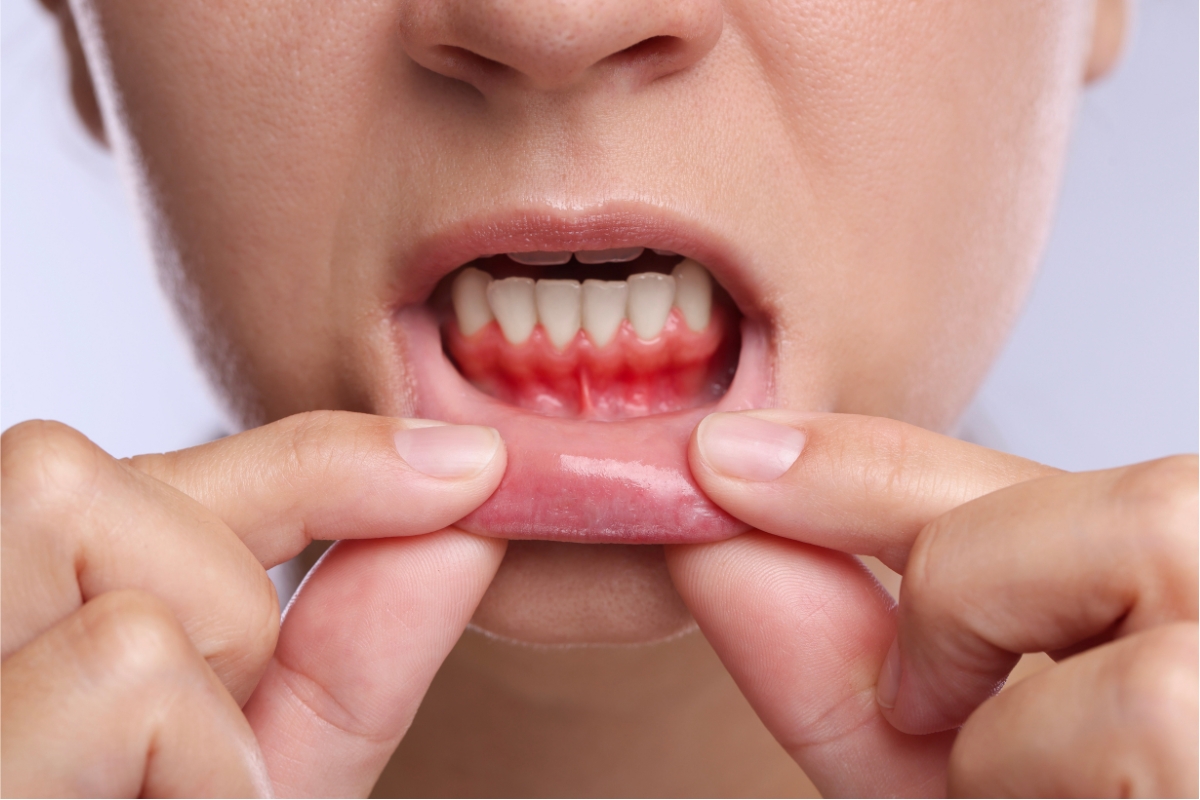
Red, Swollen, or Tender Gums
Healthy gums should be firm and pink. If your gums are red, swollen, or painful, this could indicate infection or inflammation that requires professional attention.
Persistent Bad Breath or Bad Taste in Mouth
Ongoing bad breath (halitosis) that doesn’t improve with brushing may be a sign of gum infection. A periodontist can identify and treat the underlying causes.
Loose or Shifting Teeth
If you notice your teeth moving or feeling loose, it could be a sign that the bone and gums supporting your teeth are deteriorating due to periodontal disease.
Pus Between Gums and Teeth
Pus is a clear indication of infection. If you see any discharge around your gums, don’t delay in seeing a periodontist.
Why Early Treatment Matters
Gum disease develops in stages, starting with gingivitis and potentially progressing to periodontitis if left untreated. The earlier you address symptoms with a periodontist, the better your chances of saving your natural teeth and avoiding more invasive procedures.
Early treatment can also reduce risks of other health problems linked to gum disease, such as heart disease and diabetes.
What to Expect During Your Periodontist Visit
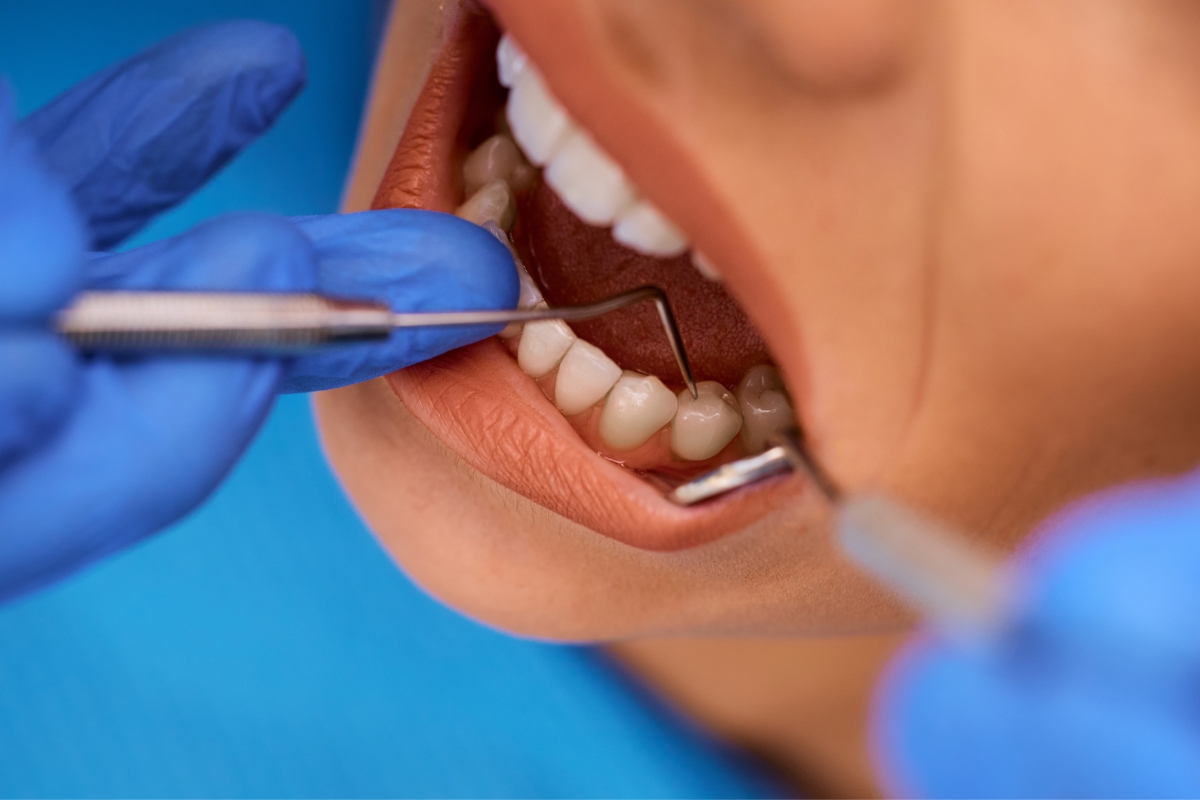
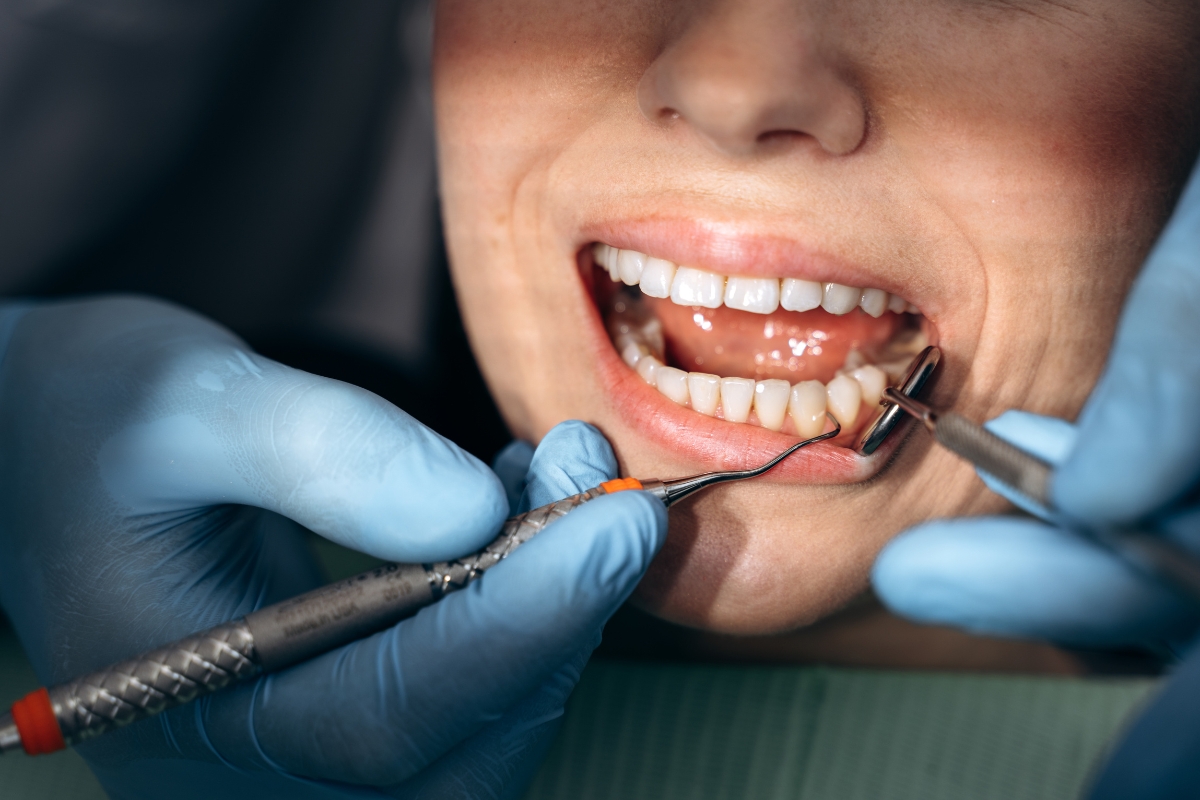
A periodontist will perform a thorough examination, including measuring gum pocket depths and evaluating bone levels through X-rays. Treatment may involve deep cleaning (scaling and root planing), antibiotics, or surgical procedures depending on the condition’s severity.
How to Find a Reliable Periodontist Near Me
Searching for a periodontist near me is easier with online directories, but make sure to choose a specialist who is board-certified and has good patient reviews. Many periodontists offer initial consultations to discuss your symptoms and treatment options.
FAQs About Periodontists and Gum Health
Q: How often should I see a periodontist?
A: If you have gum disease, your periodontist may recommend visits every 3-4 months. Otherwise, an annual check-up can help catch issues early.
Q: Can a periodontist help with dental implants?
A: Yes, periodontists often place and maintain dental implants as part of restoring oral health.
Q: Is gum disease reversible?
A: Early-stage gum disease (gingivitis) is reversible with proper care. More advanced disease needs specialized treatment to manage effectively.
Q: Will insurance cover periodontist visits?
A: Many dental insurance plans cover some periodontal services, but coverage varies. Check your policy or consult the office for details.
Ignoring gum problems can lead to serious consequences. If you notice any of these signs, it’s wise to find a trusted periodontist and get a professional evaluation. Early diagnosis and treatment make a significant difference in maintaining your oral health.
Take control of your gum health to protect your smile and overall wellness. Schedule an appointment with a periodontist today for a comprehensive evaluation and a care plan tailored to your needs.