



Taking care of your smile means more than just brushing and flossing. Sometimes, dental issues go beyond the surface. If you’ve lost a tooth or have advanced gum disease, you may have heard your periodontist mention bone grafting. It can feel intimidating—but it doesn’t have to be.
This guide will help you understand what bone grafting is, how it supports your overall oral health, and why it plays an essential role in periodontal care. Whether you’re navigating this process in Wheat Ridge, CO or elsewhere, having the right information makes all the difference.
What Is Bone Grafting?
Bone grafting is a common dental procedure used to rebuild or strengthen bone in the jaw. It often becomes necessary when bone loss has occurred due to gum disease, injury, or missing teeth.
The bone used in grafting may come from your own body, a donor, or synthetic materials. Once placed, the graft encourages your body to grow new bone, reinforcing the area so it can support dental implants or maintain facial structure.
Why Bone Grafting Matters in Periodontal Care
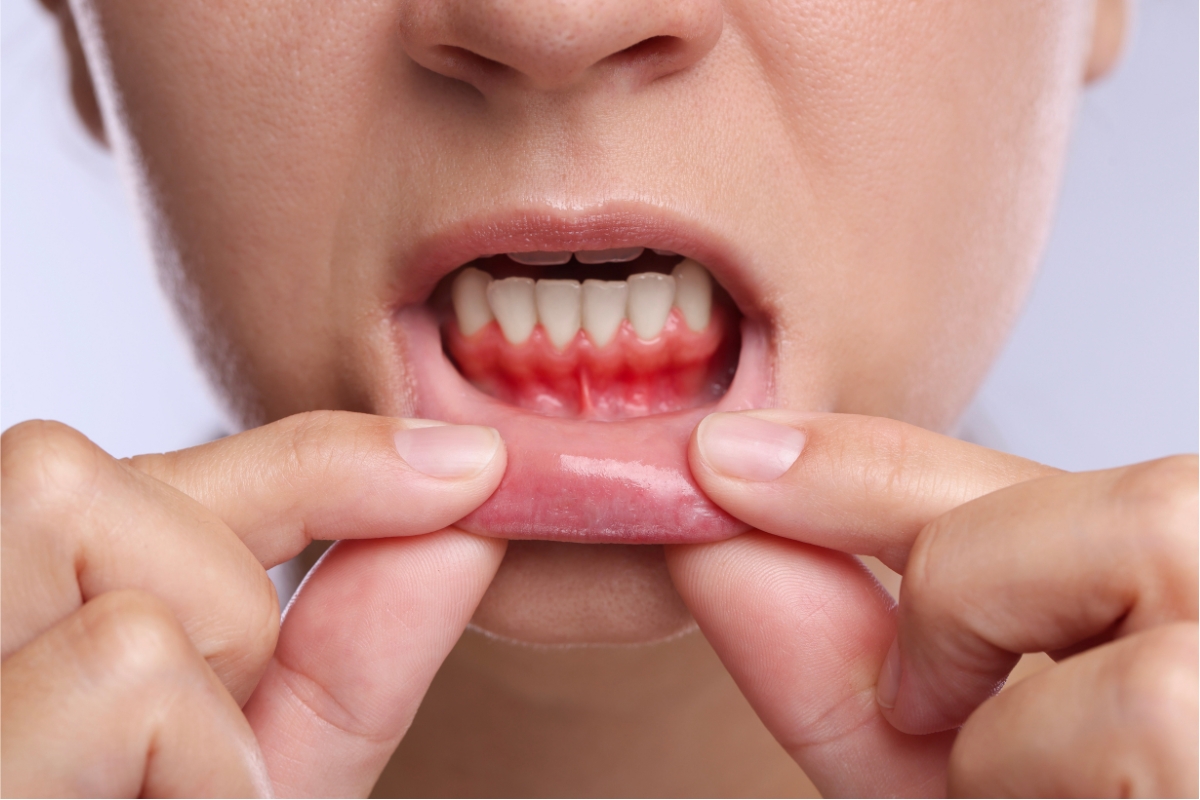
Gum disease (periodontal disease) doesn’t just affect soft tissues—it can also cause serious bone loss. This loss can lead to loose teeth, shifting bite, and even jaw collapse over time. That’s where bone grafting becomes crucial.
A periodontist, a specialist in gum and bone health, often recommends bone grafts as part of a treatment plan to restore the foundation of your teeth. Without a solid base, even the healthiest-looking teeth may be at risk.
When Might You Need a Bone Graft?
Your dentist or periodontist may suggest bone grafting in situations such as:
- Tooth Loss: When a tooth is extracted, the surrounding bone may shrink. A graft can preserve this area for future dental implants.
- Advanced Gum Disease: Periodontal disease can eat away at bone. Grafting helps restore lost support.
- Dental Implants: Implants need strong bone for stability. If your bone is too thin or soft, grafting builds it up.
- Injury or Trauma: Accidents that damage the jawbone may require grafting to heal fully.
According to the American Dental Association, nearly 47.2% of adults over 30 in the U.S. have some form of periodontal disease, increasing the risk for bone loss.
The Bone Grafting Process: What to Expect
Understanding the steps can help reduce anxiety about the procedure.
Initial Evaluation
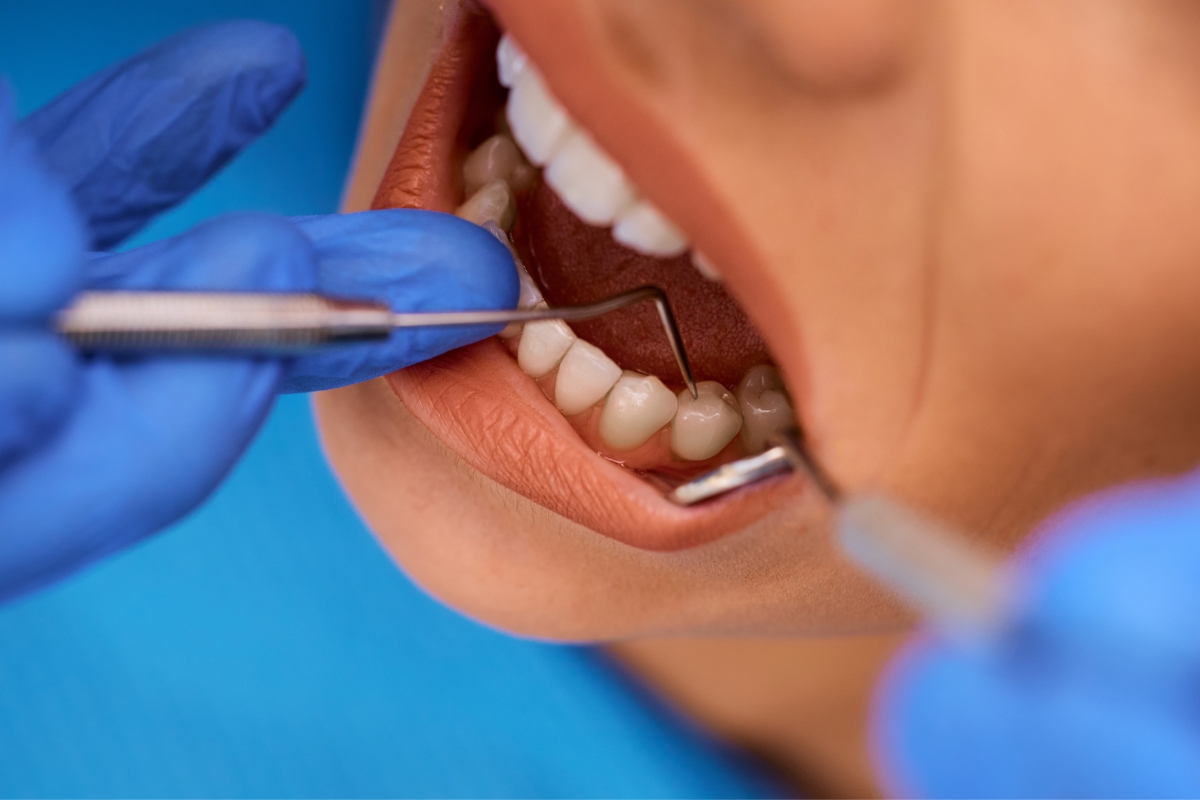
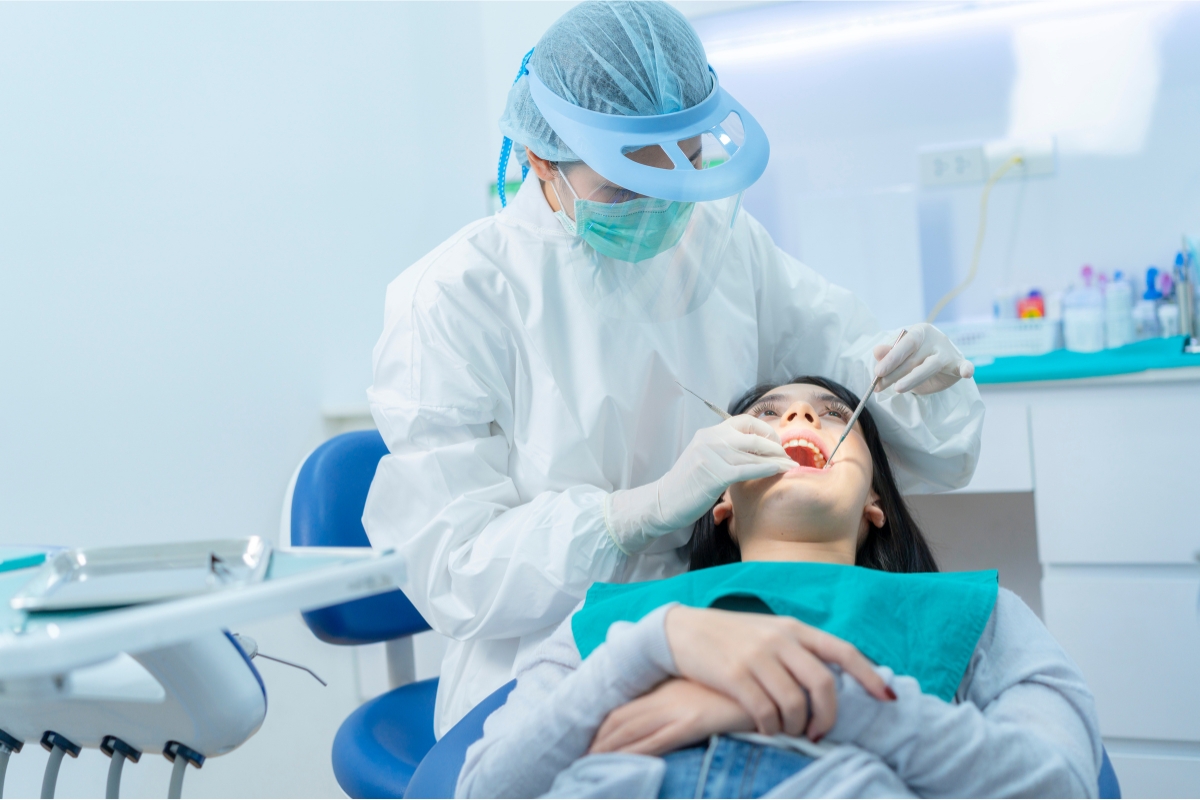
Your periodontist will review your health history, take X-rays or 3D scans, and determine if you’re a candidate for bone grafting. They’ll discuss the type of graft material that suits your needs.
The Procedure
Bone grafting is typically done under local anesthesia. Your periodontist will place the graft in the needed area and secure it. Sometimes, a membrane is used to protect the site during healing.
Healing and Recovery
Recovery times vary, but most patients resume normal activities in a day or two. Complete bone regeneration may take several months. Follow-up visits ensure the graft is successful and healing well.
Types of Bone Grafts Used in Periodontal Care
| Graft Type | Source | Common Use Case |
|---|---|---|
| Autograft | Your own body | Ideal for compatibility and healing |
| Allograft | Human donor | Common and effective for moderate procedures |
| Xenograft | Animal (usually bovine) | Often used in dental bone grafting |
| Alloplast | Synthetic material | Useful when donor sources aren’t preferred |
Your periodontist will recommend the type that best matches your case, based on medical history, location of graft, and future plans like dental implants.
Local Perspective
In Wheat Ridge and surrounding areas, dry climates and seasonal allergies can sometimes contribute to oral health challenges, including dry mouth and increased plaque buildup—factors that worsen gum disease. That’s why working with a periodontist who understands local conditions can lead to more personalized, effective care.
Schedule regular periodontal checkups, especially if you’ve experienced tooth loss or gum disease in the past. Early detection is key to preserving your oral foundation.
FAQs About Bone Grafting and Periodontal Care
Q: Is bone grafting painful?
A: Most patients report only minor discomfort. Local anesthesia is used during the procedure, and over-the-counter pain relief often manages post-op soreness.
Q: How long does a bone graft take to heal?
A: Initial healing takes a few weeks, but full bone growth and integration can take 4 to 6 months.
Q: Can anyone get a bone graft?
A: Most healthy individuals can, though factors like smoking, uncontrolled diabetes, or certain medications may affect eligibility.
Q: Will I need a bone graft before getting dental implants?
A: If your jawbone isn’t thick or strong enough, your periodontist may recommend a graft to ensure the success of an implant.
Q: Is the bone graft permanent?
A: Once healed, the new bone fuses with your natural bone, making it a lasting solution if properly maintained.
Bone Grafting Is an Investment in Long-Term Oral Health
While the term “bone grafting” may sound daunting, it’s a highly effective way to restore and protect your oral health. If you’ve dealt with gum disease, injury, or missing teeth, bone grafting might be a necessary step to ensure your smile stays strong for years to come.
Consult a trusted periodontist for a personalized evaluation and treatment plan. Bone grafting is not just about repairing damage—it’s about giving you a healthy foundation to move forward with confidence.
Schedule an appointment with your local dental specialist to see if bone grafting is right for you.