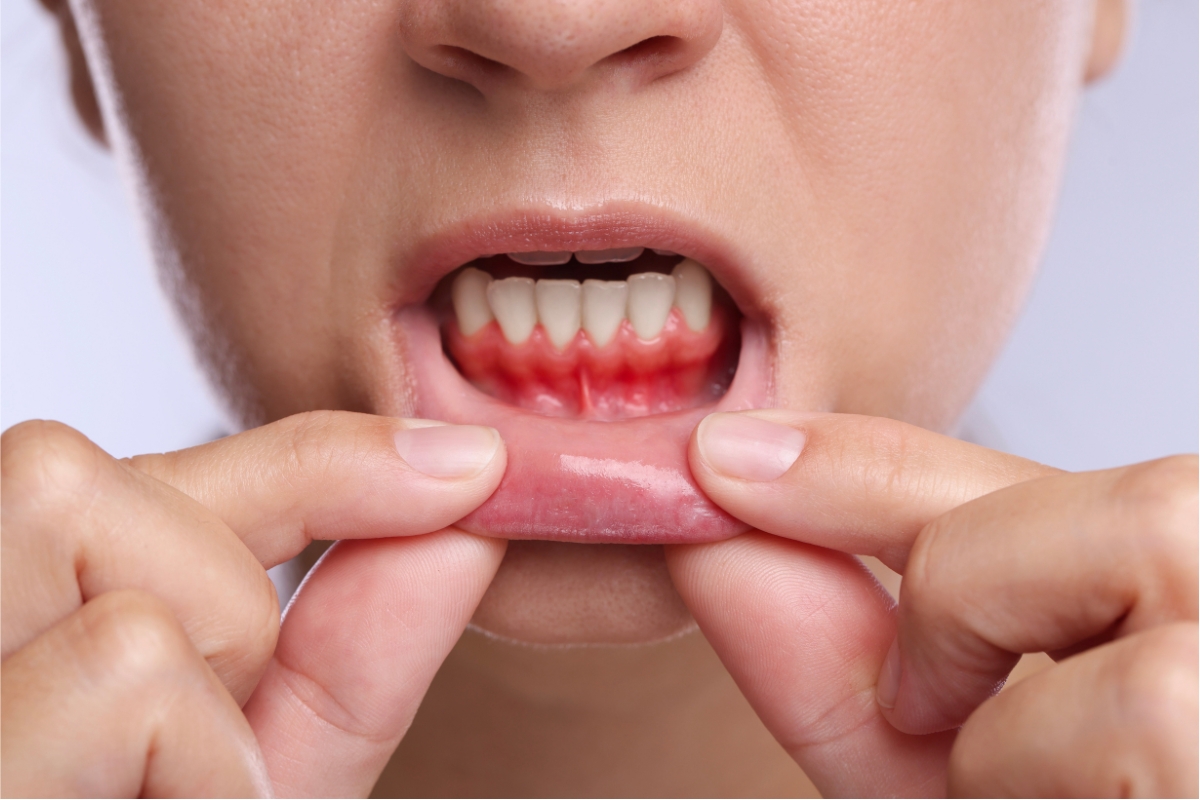


Most people don’t panic the first time their gums bleed. It might happen while brushing in a rush or flossing after skipping a few days. You rinse, shrug it off, and move on. But when bleeding becomes frequent—or starts happening even with gentle brushing—it can quietly raise concern.
For many adults, this is the moment they begin searching for a periodontist near me, wondering if something more serious is going on. And often, that instinct is right.
Bleeding gums are rarely random. They’re one of the earliest ways your body signals that the gums are irritated, inflamed, or fighting a bacterial imbalance. In communities like Wheat Ridge, CO, patients often notice these changes long before pain appears, which makes early awareness especially important.
What Bleeding Gums Are Really Telling You
Healthy gums are resilient. They don’t bleed easily, and they form a tight seal around the teeth. When bleeding occurs, it usually means the gum tissue is reacting to irritation below the surface.
Common Reasons Gums Begin to Bleed
Bleeding gums are often linked to:
- Gingivitis, the earliest stage of gum disease
- Plaque buildup near the gumline
- Ongoing inflammation caused by bacteria
- Early gum infection developing beneath the gums
- Lifestyle or health-related factors that affect healing
National oral health data shows that nearly 1 in 2 adults over age 30 experience some level of gum disease. What makes it difficult is how quietly it develops. Bleeding may be the only visible sign for a long time.
That’s why a periodontist is often involved earlier than people expect.
When Bleeding Gums Stop Being “Normal”
Occasional bleeding can happen. But when it becomes routine, it deserves attention.
Signs Bleeding Gums May Need a Periodontist’s Care
You may benefit from seeing a periodontist if bleeding gums are paired with:
- Persistent redness or swelling
- Gums that feel tender or sore
- Bad breath that doesn’t improve
- Gums pulling away from teeth
- Changes in how teeth feel when biting
At this point, many patients realize routine cleanings aren’t enough. Searching for a periodontist often comes from wanting answers—not just symptom control. Periodontists specialize in diagnosing and treating inflammation and gum infection that can affect both gum tissue and bone.
Gingivitis and Periodontitis: Why Early Care Matters
Gingivitis: The Reversible Stage
Gingivitis occurs when plaque irritates the gums, leading to inflammation and bleeding. At this stage, the damage hasn’t reached the bone, and with proper care, gums can return to a healthier state.
Periodontitis: When Damage Progresses
If gingivitis is left untreated, it can progress into periodontitis. This advanced form of gum disease may involve:
- Chronic inflammation
- Breakdown of gum tissue
- Bone loss around teeth
- Deep pockets where bacteria thrive
Once bone is involved, treatment becomes more specialized. This is where the role of a periodontist becomes essential rather than optional.
What a Periodontist Focuses On
A periodontist looks beyond the visible tooth surface. Their focus is the foundation—gums, bone, and connective tissue.
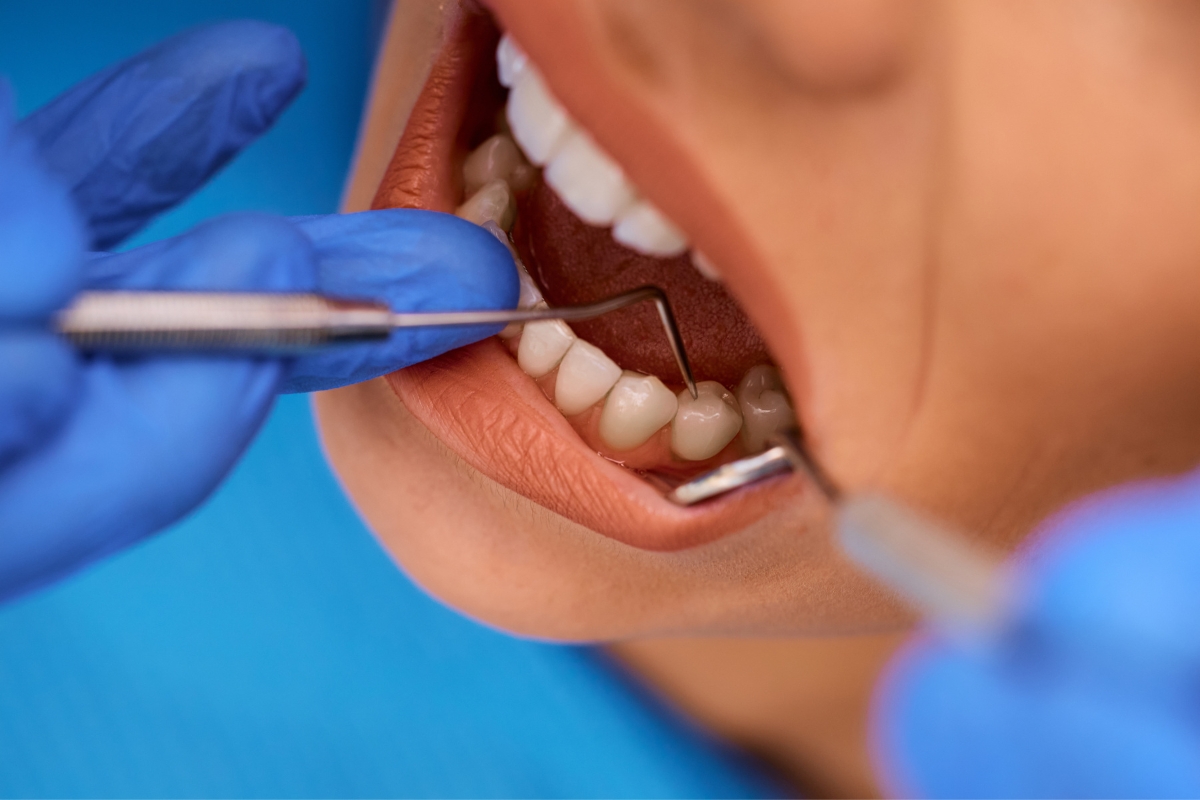
During an evaluation, a periodontist may assess:
- Gum pocket depth around each tooth
- Signs of active gum infection
- Levels of inflammation
- Bone support beneath the gums
- Risk factors that may affect healing
For patients in Wheat Ridge, CO, this detailed approach often uncovers issues that haven’t yet caused pain—but could if left untreated.
Local Factors That Can Affect Gum Health
Environmental and lifestyle factors matter more than people realize. Dry air, seasonal changes, stress, and inconsistent routines can all contribute to gum inflammation. Many local patients notice bleeding gums during colder months or periods of stress, assuming it’s temporary.
Having access to a trusted periodontist means these symptoms can be evaluated early, rather than waiting until damage becomes harder to manage.
How Bleeding Gums Are Treated
Treatment is never one-size-fits-all. A periodontist tailors care based on how advanced the condition is.
Common Periodontal Treatment Approaches
Treatment may include:
- Deep cleaning beneath the gumline
- Targeted therapy to reduce inflammation
- Periodontal maintenance visits
- Guidance on daily home care habits
Clinical research consistently shows that early periodontal care reduces bleeding, controls infection, and helps preserve natural teeth when maintained over time.
Guidance From the American Dental Association
The American Dental Association emphasizes that gum disease is common—but manageable—when identified early. Educational resources from the ADA help patients recognize warning signs and understand why professional periodontal care plays an important role.
Frequently Asked Questions
Are bleeding gums always serious?
Not always, but frequent bleeding is not normal and often indicates inflammation or infection.
Can better brushing stop gum bleeding?
Improved technique helps, but ongoing bleeding usually needs professional evaluation.
Does gum disease cause pain?
Early stages often don’t, which is why bleeding gums are an important warning sign.
How does a periodontist help?
A periodontist focuses on reducing inflammation, treating gum infection, and protecting bone support.
Should I wait to see if bleeding stops?
If bleeding continues or worsens, it’s better to schedule an evaluation rather than wait.
Final Thoughts
Bleeding gums are easy to dismiss, especially when they don’t hurt. But they’re often the first sign that your gums are under stress and need attention.
If you’re in Wheat Ridge, CO and searching for a periodontist near me, taking action early can help protect your gum health and prevent long-term complications. Early care, clear guidance, and consistent follow-up make a meaningful difference—so don’t hesitate to schedule an appointment and get clarity about what your gums are telling you.