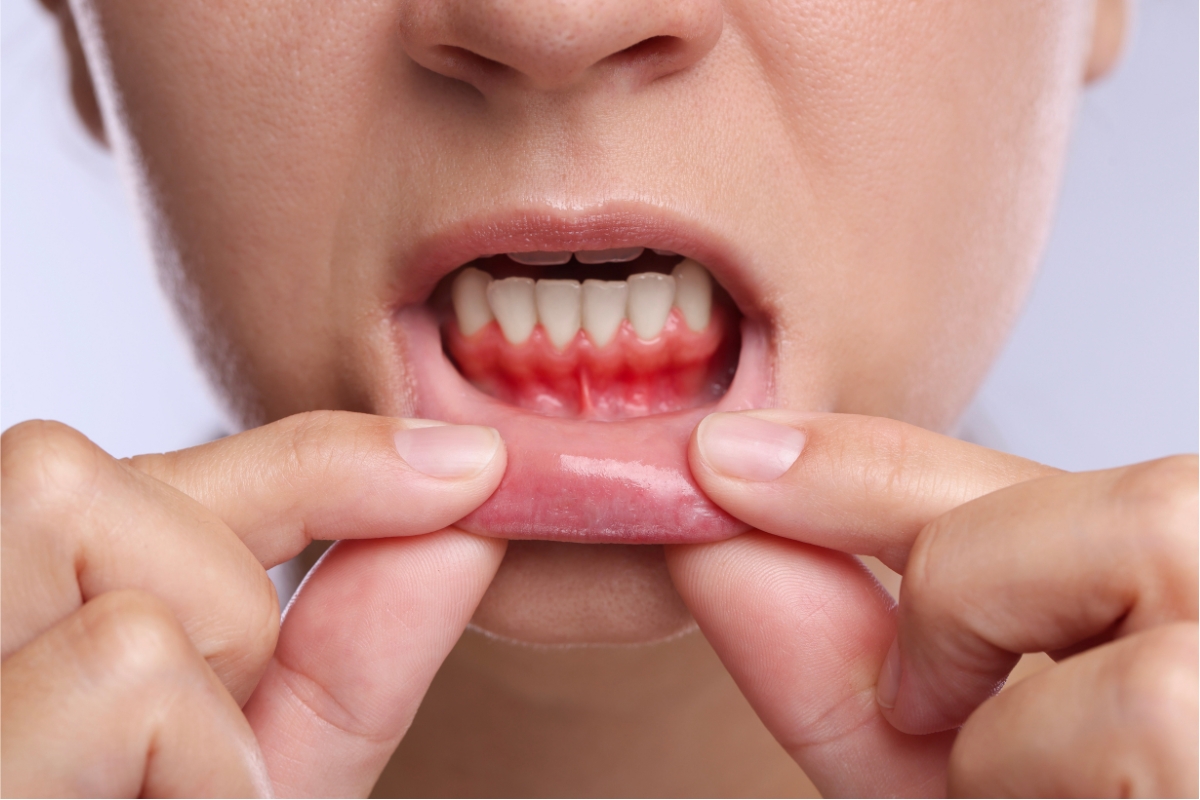





Bleeding gums can be easy to ignore at first. Maybe you notice a little pink in the sink when you brush. Maybe your breath doesn’t feel as fresh as it used to. Over time, those small signs can turn into real concern. Many people in Wheat Ridge, CO tell me they feel worried when they hear the words “gum disease,” especially if they’re trying to avoid invasive procedures.
It’s no surprise that natural approaches are appealing. Online searches for oil pulling for gum disease have increased as more people look for gentle, at-home solutions. But can swishing coconut oil really stop or reverse periodontal disease? Let’s break it down honestly and clearly, based on what we know today.
Understanding Periodontal Disease
Periodontal disease is more than irritated gums. It’s a chronic inflammatory condition caused by plaque bacteria that collect along the gumline. When not removed properly, that sticky biofilm hardens into tartar, creating an environment where harmful bacteria thrive.
Early-stage gum disease (gingivitis) may cause:
- Redness
- Swelling
- Bleeding while brushing
If untreated, it can progress into periodontitis, where infection affects the deeper tissues and even the bone supporting your teeth.
According to national data, nearly half of adults over 30 in the United States show signs of some form of gum disease. That’s why regular evaluation by a periodontist plays such an important role in prevention and early care.
What Is Oil Pulling?
Oil pulling is a traditional oral practice that involves swishing oil in the mouth for about 15–20 minutes and then spitting it out. Coconut oil therapy is the most common version today.
The idea behind it is simple: oil binds to certain bacteria and helps remove them from the mouth. Coconut oil contains lauric acid, which has mild antimicrobial properties. Supporters often describe it as one of several natural gum disease remedies.
Some people report:
- Fresher breath
- Less surface plaque
- Mild reduction in gum irritation
But here’s the key question.
Can Oil Pulling Cure Periodontal Disease?
No, oil pulling cannot cure periodontal disease.
While oil pulling may reduce some surface plaque bacteria, it does not treat the underlying infection that develops below the gumline in periodontitis. Once gum disease progresses beyond gingivitis, it involves deeper pockets of bacteria and potential bone loss.
This is where a periodontist becomes essential. Periodontal treatment may include:
- Scaling and root planing (deep cleaning below the gums)
- Periodontal maintenance therapy
- Laser-assisted therapy
- Surgical procedures in advanced cases
Oil pulling simply does not reach those deep periodontal pockets.
What Does Clinical Evidence Show?
There are small studies suggesting coconut oil therapy may lower plaque scores and reduce mild gum inflammation when used consistently. However, most research:
- Involves small participant groups
- Focuses on short-term results
- Evaluates gingivitis rather than advanced periodontitis
There is currently no strong clinical evidence showing oil pulling can reverse bone loss or eliminate established periodontal disease.
The American Dental Association does not recognize oil pulling as a replacement for professional periodontal treatment. Evidence-based guidelines continue to emphasize brushing, flossing, and regular professional care.
In other words, oil pulling may support oral hygiene, but it should never replace a visit to a qualified periodontist.
When Could Oil Pulling Be Helpful?
Oil pulling might serve as a supportive addition if:
- You have mild gingivitis
- You already brush and floss daily
- Your periodontist has confirmed no advanced disease
It may reduce some surface bacteria and improve overall oral freshness. But it is not a substitute for removing hardened tartar or treating deep infection.
Why Seeing a Periodontist Matters
Gum disease is not just about your mouth. Chronic inflammation has been associated with systemic conditions such as heart disease and diabetes. Ignoring periodontal symptoms can allow damage to progress silently.
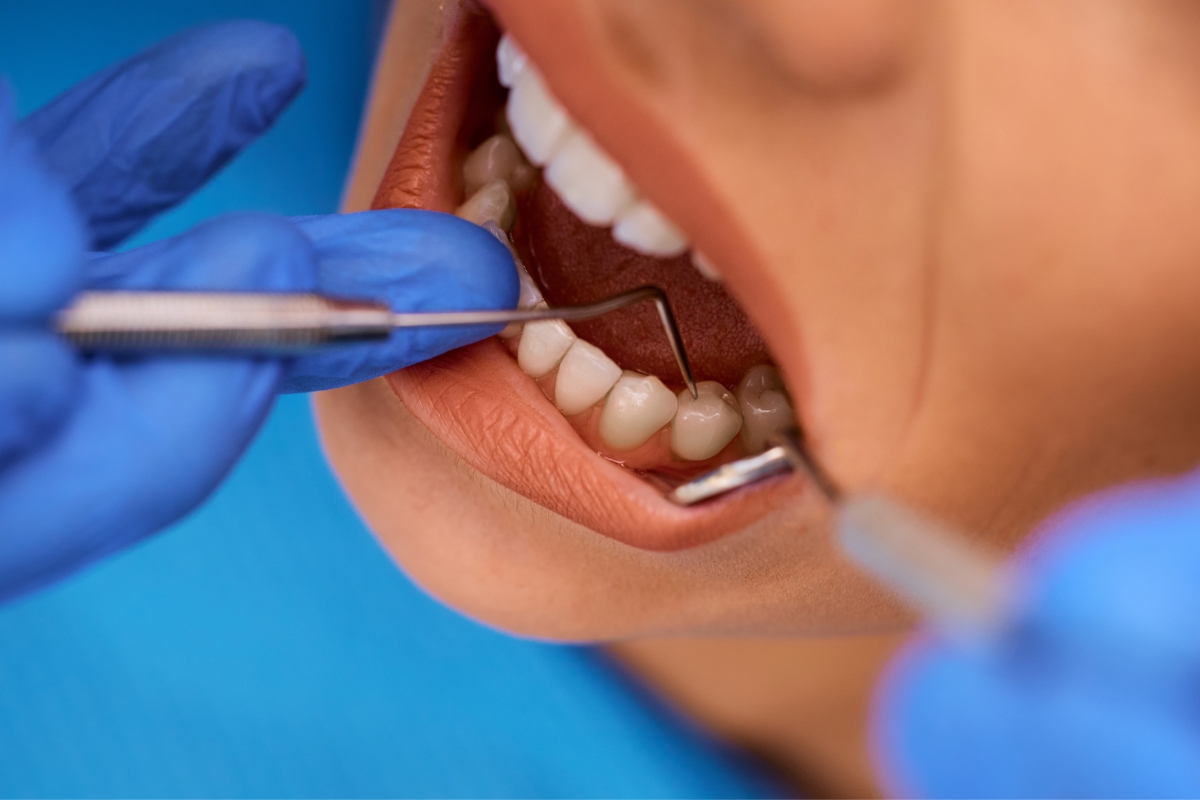
A periodontist is specially trained to evaluate gum attachment levels, bone structure, and infection depth. In Wheat Ridge, CO, many patients come in thinking their symptoms are minor, only to discover early signs of bone involvement.
The earlier periodontal disease is treated, the more predictable the outcome. Waiting too long in hopes that natural gum disease remedies will resolve the issue can make treatment more complex later.
A Practical Approach for Wheat Ridge Residents
If you live in Wheat Ridge and are exploring oil pulling for gum disease, consider this balanced approach:
Maintain Consistent Oral Hygiene
Brush twice daily with fluoride toothpaste. Floss once daily. Follow any antimicrobial rinse recommendations from your periodontist.
Don’t Skip Professional Evaluations
Routine periodontal exams allow early detection. Many cases of gum disease are painless until advanced stages.
Use Natural Remedies Thoughtfully
If you enjoy coconut oil therapy, use it as an addition—not a replacement—for professional care.
Watch for Warning Signs
- Bleeding that continues
- Gum recession
- Persistent bad breath
- Loose teeth
These symptoms require evaluation by a periodontist.
FAQs About Oil Pulling and Periodontal Disease
Is oil pulling safe?
For most healthy adults, yes. Avoid swallowing the oil, and discontinue if you experience discomfort.
Can oil pulling remove tartar?
No. Once plaque hardens into tartar, it must be removed professionally by a dental provider or periodontist.
How often should oil pulling be done?
Some people do it daily for 15–20 minutes. However, consistency with brushing and flossing is more important.
Can natural gum disease remedies replace deep cleaning?
No. Scaling and root planing physically remove bacteria below the gumline, which oil cannot reach.
How do I know if I have periodontitis?
Only a periodontal exam can confirm this. A periodontist measures gum pocket depth and evaluates bone levels through imaging.
Final Thoughts
Oil pulling is an interesting traditional practice, and coconut oil therapy may offer mild support for oral hygiene. However, it does not cure periodontal disease. There is limited clinical evidence supporting it as a treatment for established gum infection.
If you’re experiencing bleeding gums, gum recession, or persistent inflammation in Wheat Ridge, CO, the safest and most effective step is a professional evaluation. A skilled periodontist can identify the stage of disease and create a plan tailored to your needs.
Natural remedies can support your routine—but they should never delay necessary treatment. If you’re noticing signs of gum disease or want clarity about your options, it may be time to schedule an appointment with a periodontist to protect your long-term oral health.