


Bad breath is something most people deal with occasionally. A strong cup of coffee, certain foods, or even a dry mouth can leave an unpleasant taste and odor behind. Usually, these situations are temporary. But when bad breath sticks around no matter how often you brush, floss, or use mouthwash, it may be a sign that something deeper is affecting your oral health.
One of the lesser-known causes of ongoing bad breath is gum disease. When bacteria collect around and beneath the gums, they can create odors that are difficult to eliminate with at-home care alone. In many cases, the problem continues because the source of the odor remains hidden below the gumline.
A periodontist specializes in the health of the gums and supporting structures of the teeth. If gum disease is contributing to chronic bad breath, periodontal treatment can help address the underlying issue rather than simply covering up the symptoms.
Why Bad Breath Sometimes Starts Below the Gumline
Your mouth contains millions of bacteria, many of which are harmless. Problems can develop when plaque is allowed to remain on the teeth for extended periods. As plaque hardens into tartar, it creates areas where harmful bacteria can multiply.
These bacteria break down food particles and proteins, producing compounds that often cause unpleasant odors. If gum disease develops, pockets can form between the teeth and gums, creating even more space for bacteria to grow. This cycle can make bad breath difficult to control without professional care.
The Role of Periodontal Treatment
Many people are surprised to learn that treating their gums can have a noticeable impact on their breath. Periodontal therapy focuses on reducing harmful bacteria, improving gum health, and creating a healthier environment inside the mouth.
Removing Hidden Bacterial Deposits
Even the most thorough brushing routine cannot reach every area beneath the gumline. Professional periodontal treatment removes plaque, tartar, and bacteria from places that are difficult to clean at home. Reducing this buildup often leads to a cleaner-feeling mouth and fresher breath.
Supporting Healthier Gums
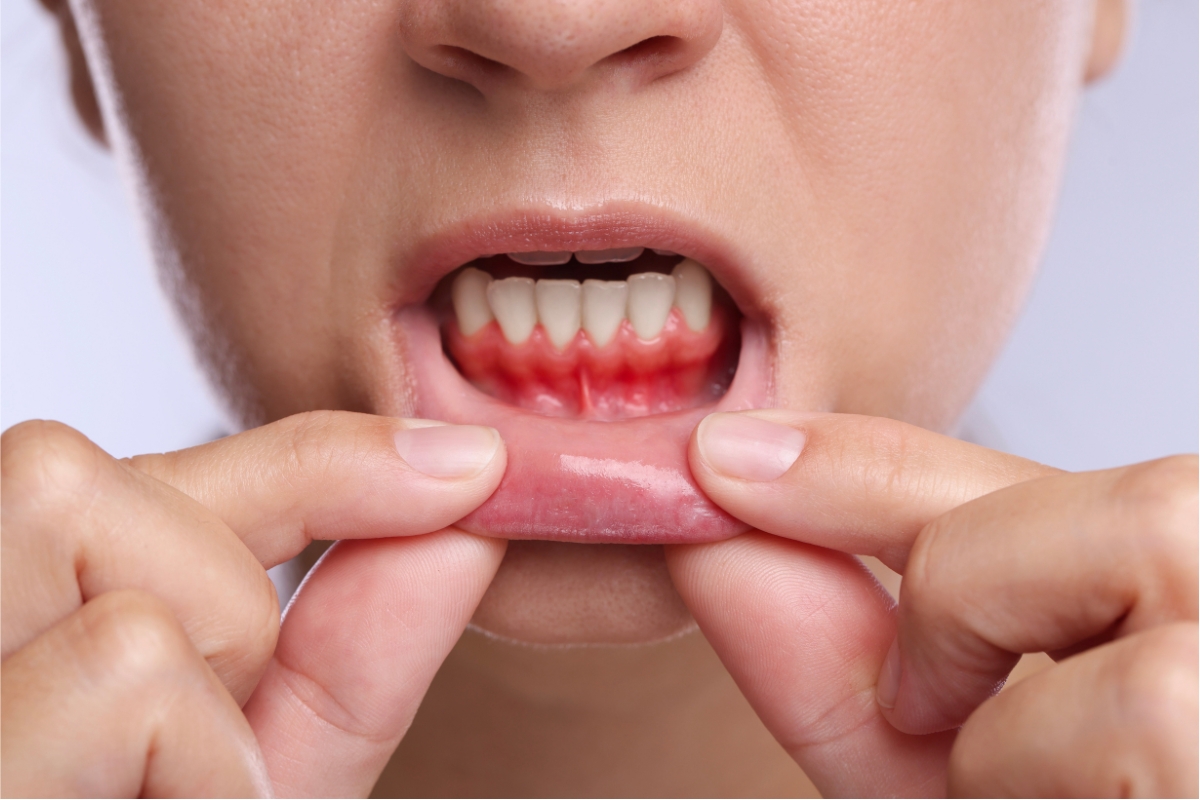
When gums are irritated or infected, they can become swollen and pull away from the teeth. Treating the infection helps the gums recover and reduces the areas where bacteria tend to collect. As gum health improves, many patients notice a reduction in unpleasant odors.
Identifying Contributing Factors
Bad breath is not always caused by one issue alone. During an evaluation, a periodontist can look for signs of advanced gum disease, inflammation, or other oral health concerns that may be contributing to the problem. This allows treatment to be tailored to the patient’s specific needs.
Creating a Long-Term Prevention Plan
Successful treatment is about more than solving today’s problem. Patients receive guidance on maintaining healthy gums and preventing future bacterial buildup. These recommendations help support lasting results and better overall oral health.
Everyday Habits That Help Keep Breath Fresh
Professional treatment provides a strong foundation, but daily habits play an important role in maintaining results.
- Brush carefully in the morning and before bed.
- Clean between your teeth every day with floss or other recommended tools.
- Stay hydrated throughout the day to support natural saliva production.
- Replace your toothbrush regularly.
- Limit tobacco use, which can contribute to both gum disease and bad breath.
- Keep up with recommended periodontal maintenance visits.
Fresh Breath Starts With Healthy Gums
Persistent bad breath can be frustrating, especially when traditional solutions provide only temporary relief. In many cases, the issue is linked to bacteria and inflammation beneath the gums. Treating these concerns can do more than improve breath—it can also protect the long-term health of your smile.
At Colorado Periodontal Associates, we focus on helping patients achieve healthier gums through personalized periodontal care. By addressing the source of chronic bad breath, patients can enjoy improved oral health and greater confidence in their everyday interactions.
Schedule an appointment with us today and take the first step toward healthier gums, fresher breath, and a more confident smile.
Frequently Asked Questions
When should I see a periodontist for bad breath?
If bad breath continues despite brushing, flossing, and regular dental visits, it may be time to schedule an evaluation with a periodontist to check for signs of gum disease.
Can gum disease cause bad breath even if I brush regularly?
Yes. Bacteria can collect below the gumline, where a toothbrush cannot reach. This hidden buildup may continue to cause odor even when you maintain good brushing habits.
Is bad breath always related to oral health problems?
Not always. Certain medical conditions, medications, and dry mouth can also contribute to bad breath. A professional evaluation can help identify the cause.
How does periodontal treatment differ from a regular cleaning?
Periodontal treatment focuses on removing bacteria and deposits from beneath the gums and managing gum disease, while routine cleanings primarily address plaque and tartar above the gumline.
Can fresh breath be maintained after treatment?
Yes. Consistent oral hygiene, regular professional care, and following your periodontist’s recommendations can help keep your breath fresh and your gums healthy.